Small spaces don’t mean sacrificing style—especially when it comes to incorporating the timeless beauty of Moroccan pottery bowls. These handcrafted treasures, with their distinctive green glazes and authentic artisanal character, can transform even the most compact living areas into sophisticated, culturally rich environments.
Whether you’re working with a studio apartment, tiny kitchen, or cozy dining nook, authentic Moroccan pottery bowls offer versatile decorating solutions that maximize impact while respecting your space constraints. Following proven small space design principles, authentic Moroccan pottery can maximize visual impact without overwhelming compact areas. Here’s how to style these beautiful pieces for maximum visual effect.
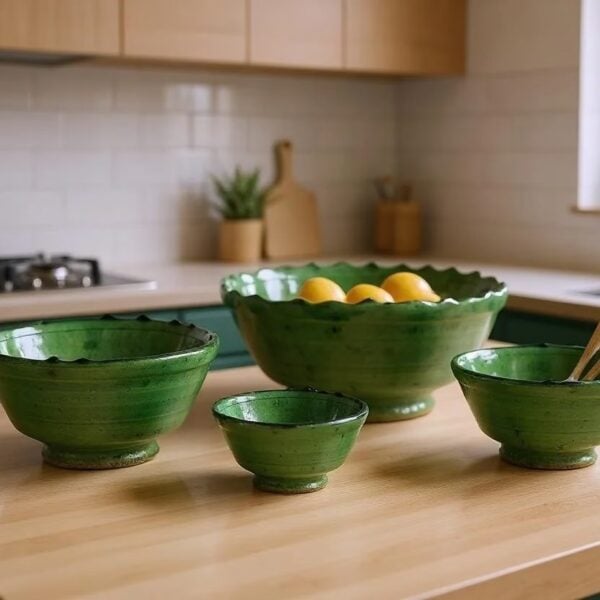
The lustrous green glaze of authentic Tamegroute pottery creates beautiful depth with natural color variations - each bowl is uniquely handcrafted.
The Layered Approach
Transform your limited counter space into an eye-catching display using the rule of three—group pottery bowls in odd numbers for natural visual appeal.
Small Space Strategy:
Front to back layering: Place a large serving bowl (10-12 inches) against the backsplash
Medium accent: Position a mid-sized bowl (6-8 inches) slightly forward and to one side
Small detail piece: Add a small condiment bowl (4-5 inches) to complete the triangle
Styling with Your Green Moroccan Pottery Bowls:
The lustrous green glaze of authentic Tamegroute pottery creates beautiful contrast against white subway tiles or warm wood countertops. The natural variations in the glaze—from deep forest green to lighter jade tones—add depth without visual clutter..
Pro Tip: Fill bowls with functional items—fresh fruits, cooking utensils, or pantry staples—to maintain both beauty and practicality in small kitchens.
Height Variation Secrets
In compact kitchens, create the illusion of more space by varying heights:
Elevate back bowls on small risers (cookbook stands work perfectly)
Use nesting bowls to save storage while maintaining display options
Stack smaller bowls inside larger ones when not actively displaying
2. Maximize Dining Table Impact with Strategic Placement
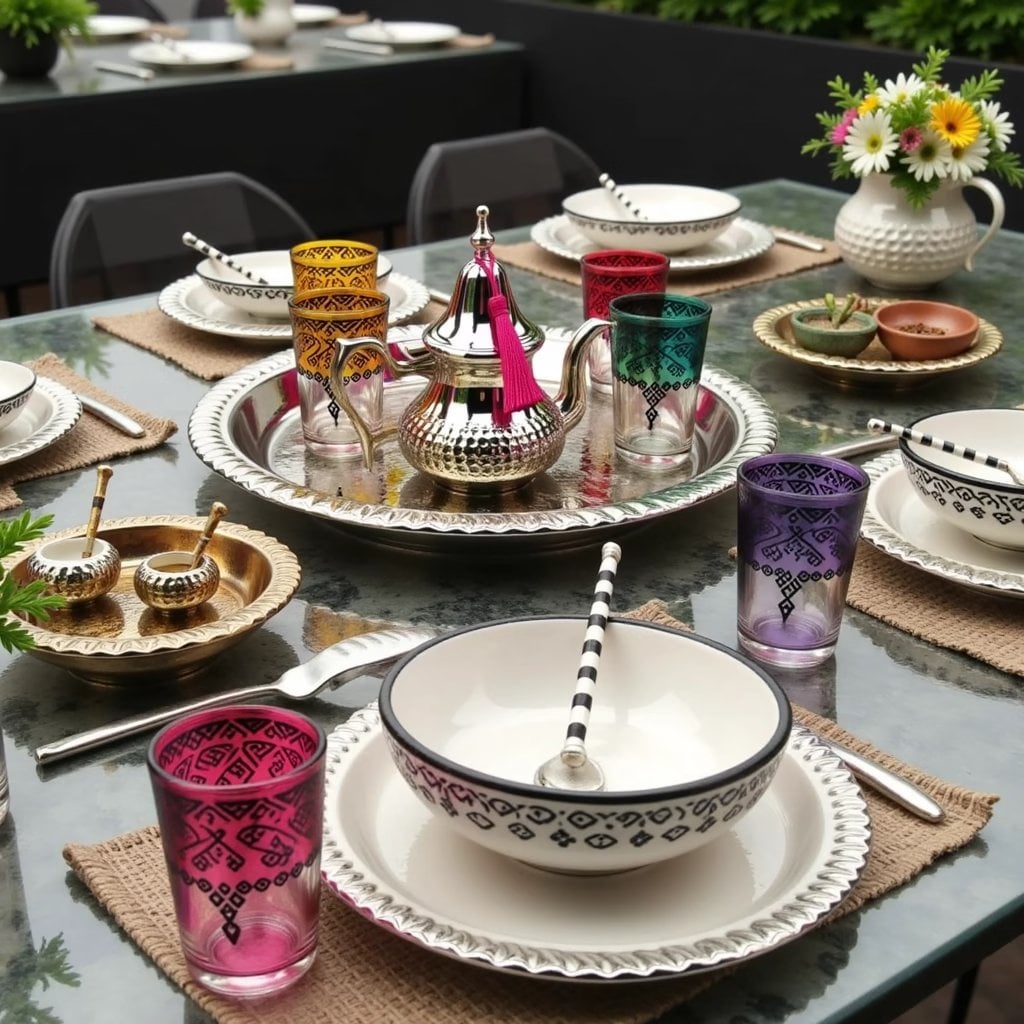
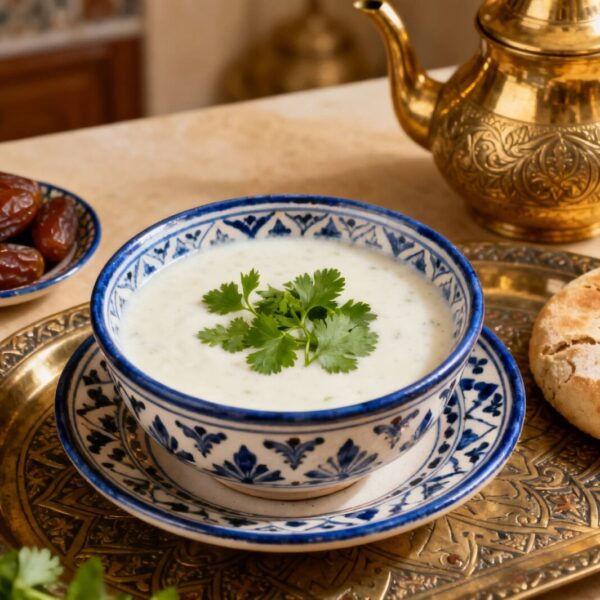
Honor Moroccan tradition with a functional centerpiece – this large pottery bowl serves dates and nuts while creating intimate dining ambiance.
The Floating Centerpiece Technique
Small dining tables require centerpieces that don’t overwhelm the space or obstruct conversation.
Space-Saving Setup:
Choose one statement bowl (8-10 inches) as your focal point
Position it slightly off-center for modern, asymmetrical appeal
Fill seasonally: fresh fruit in summer, pinecones in fall, ornaments during holidays
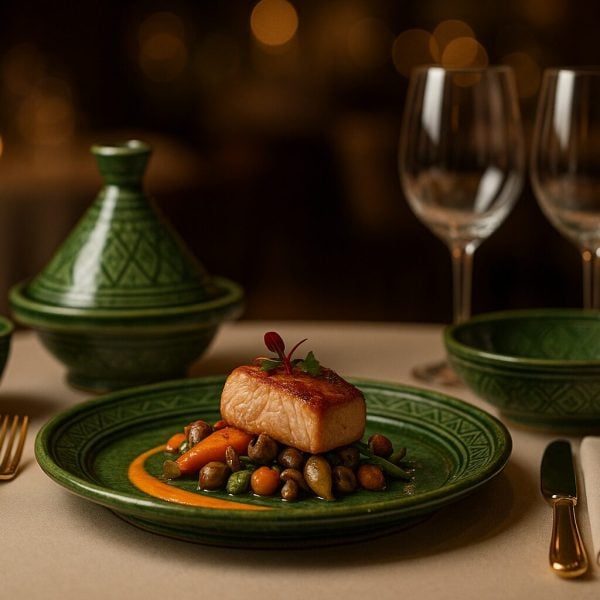
When selecting bowls for your dining display, consider how authentic Moroccan ceramic pieces can create a restaurant-quality presentation in your home.
Cultural Authenticity Note:
In Moroccan tradition, communal bowls represent hospitality and sharing. These traditional Moroccan pottery techniques have been passed down through generations in regions like Tamegroute and Safi. Honor this heritage by using your pottery bowl for serving traditional foods—dates, nuts, or Moroccan sweets—rather than purely decorative purposes.
Your Moroccan pottery bowls should work harder in small spaces:
Breakfast setup: Serve fresh berries or yogurt parfaits
Dinner parties: Present appetizers or shared side dishes
Daily life: Hold car keys, mail, or small everyday items
3. Transform Empty Corners with Floor Displays
The Vertical Impact Strategy
Small rooms often have unused corner space that’s perfect for pottery displays.
Corner Styling Formula:
Base layer: Place your largest pottery bowl (12+ inches) directly on the floor
Elevation: Add a small plant stand or decorative stool
Top accent: Position a medium bowl (8 inches) on the elevated surface
Natural elements: Include a tall plant or decorative branches for height
Lighting Considerations:
Position your corner display near a window or add a small accent light. The natural variations in Moroccan pottery glazes create beautiful shadow patterns that add visual interest to small rooms.
The right light transforms pottery. A brass pendant lamp overhead casts warm shadows through the glaze and amplifies the green depth of Tamegroute pieces.
Safety and Stability
In small spaces where people move around frequently:
Ensure larger floor bowls are stable and not trip hazards
Choose corners away from high-traffic pathways
Consider wall-mounting smaller pieces for safety
4. Open Shelving: Maximize Vertical Display Space
Create visual balance on open shelves – mix pottery bowls of different sizes with complementary textures while leaving breathing room.
The Balanced Shelf Approach
Open shelving in small spaces requires careful curation to avoid visual chaos.
Shelf Styling Rules:
Heavy to light: Place larger pottery bowls on lower shelves for stability
Color coordination: Group green pottery with complementary colors (warm browns, creamy whites, natural textures)
Negative space: Leave breathing room—don’t fill every inch
Styling Your Authentic Tamegroute Pieces:
The handcrafted irregularities in authentic Moroccan pottery add character to shelf displays. Mix different sizes and slight color variations within the green family for sophisticated depth.
Small Space Hacks:
Use shelf brackets to create additional display levels
Install floating corner shelves for awkward spaces
Consider glass shelves to maintain visual lightness
Functional Integration
Make your shelving work double-duty:
Store frequently used serving pieces within easy reach
Display seasonal items that rotate throughout the year
Mix pottery with books, plants, or other decorative objects
To complete the look with coordinated accessories and textiles that complement your pottery display.
5. Bedroom and Living Room Accent Displays
Achieve sophisticated living room style with asymmetrical pottery bowl arrangements – pair smooth glazes with natural textures.
The Bedside Statement
Small bedrooms benefit from carefully chosen accent pieces that don’t overwhelm.
Bedside Styling:
Single impact piece: Choose one medium-sized bowl (6-8 inches)
Functional beauty: Use for jewelry, watches, or bedside essentials
Color harmony: The calming green tones of Moroccan pottery complement most bedroom color schemes
Living Room Sophistication
In compact living rooms, pottery bowls add cultural richness without requiring floor space.
Console Table Magic:
Asymmetrical grouping: Place bowls of varying sizes (avoid perfect symmetry)
Ready to transform your small space with authentic Moroccan pottery? Browse our complete collection and start with the perfect pieces for your home’s unique style and space constraints.
Conclusion: Small Spaces, Big Style
Styling Moroccan pottery bowls in small spaces isn’t about having less—it’s about choosing more intentionally. Each piece should serve both functional and aesthetic purposes, honoring both the craftsmanship of its makers — like Jamal, our Moroccan ceramic artisan — and the practical needs of your lifestyle.
The key to successful small-space styling lies in understanding that authentic Moroccan pottery bowls aren’t just decorative objects—they’re pieces of cultural heritage that bring warmth, history, and sophisticated beauty to any size home.
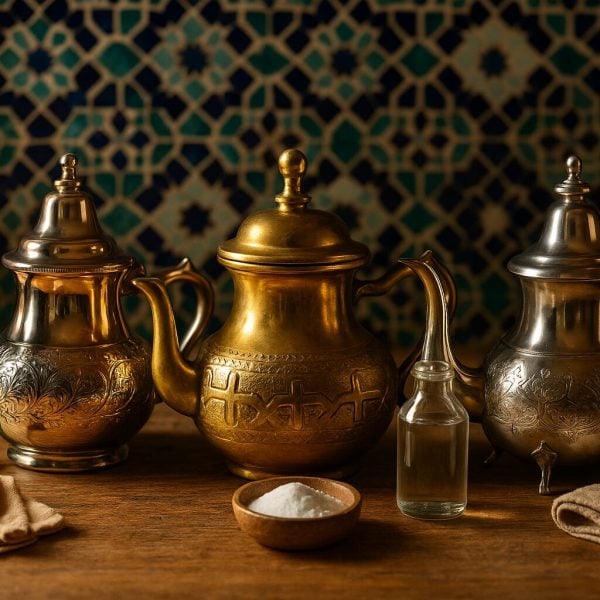
Quick Answer: How to Clean a Moroccan Teapot in 5 Minutes
Rinse with hot water immediately after use to prevent tannin buildup
Fill with warm water + 2 tablespoons baking soda, soak...
In our fast-paced world where instant gratification reigns supreme, slow cooking stands as a delicious rebellion against the tyranny of the microwave. This ancient culinary technique, practiced across cultures for...
Discover the soul-warming tradition of white harira (harira bayda), Morocco's beloved comfort soup that graces tables during Ramadan and chilly evenings throughout the year. Unlike its more famous tomato-based cousin,...
Small spaces don't mean sacrificing style—especially when it comes to incorporating the timeless beauty of Moroccan pottery bowls. These handcrafted treasures, with their distinctive green glazes and authentic artisanal character,...
Master of Moroccan silver-plated crafts, Kamal brings soul and precision to every engraved detail.
Inside the dazzling glow of a tiny workshop in the heart of Marrakech’s old medina, Kamal works...
When Generic Restaurant Tableware Fails to DeliverThe Science Behind Moroccan Ceramic SuperiorityTraditional Clay Compositions That Excel Under Commercial StressGlaze Formulations Proven by Centuries of UseTamegroute Pottery: The Crown Jewel of...
Stepping Through the Ancient Gates: An Introduction to Marrakech's Medina
There's something profoundly magical about crossing the threshold of Marrakech's ancient walls for the first time. The moment you step through...
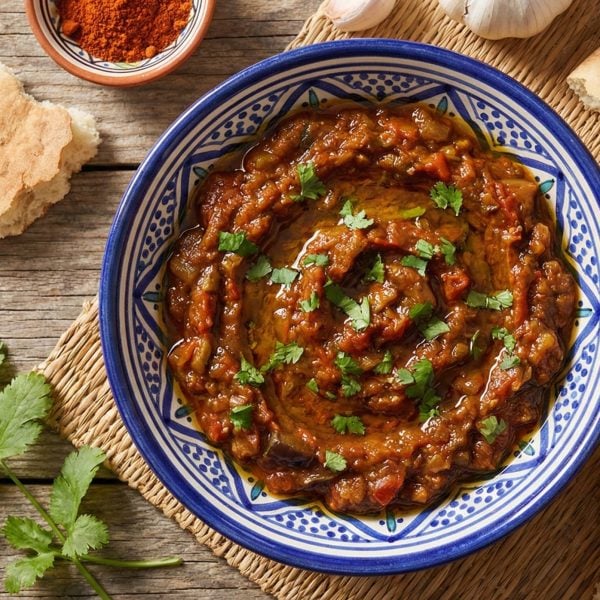
Moroccan Zaalouk
Zaalouk is a delicious Moroccan dish typically served as a snack or appetizer with bread. This vegetarian dish features grilled eggplant and tomatoes, mashed with garlic and aromatic Moroccan...
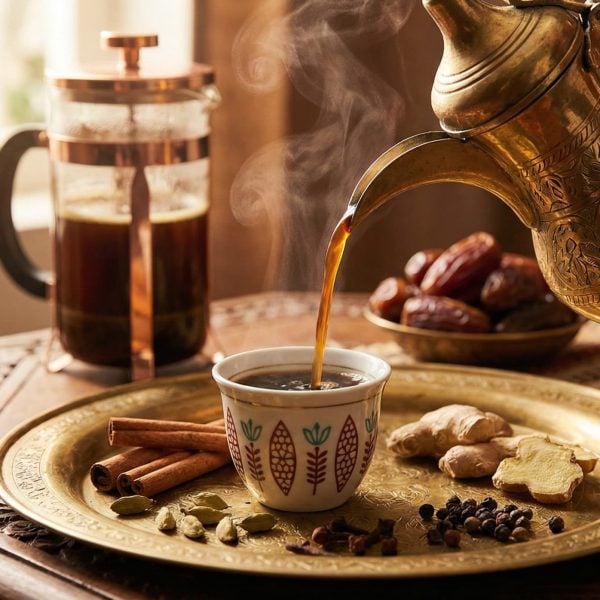
Indulge in the enchanting flavors of Morocco with this simple yet exotic spiced coffee recipe. Perfect for those mornings when you crave something out of the ordinary or for impressing...
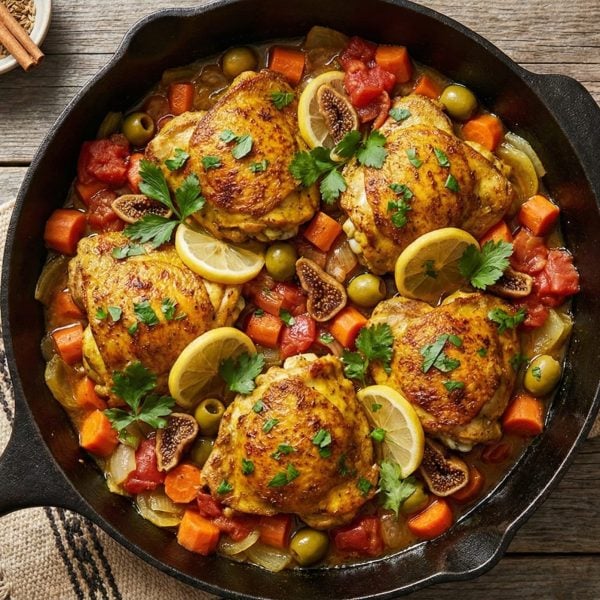
Embark on a culinary journey to the heart of Morocco with this sumptuous recipe for Moroccan Chicken Thighs. Designed to serve four, this dish is a perfect blend of tenderness,...
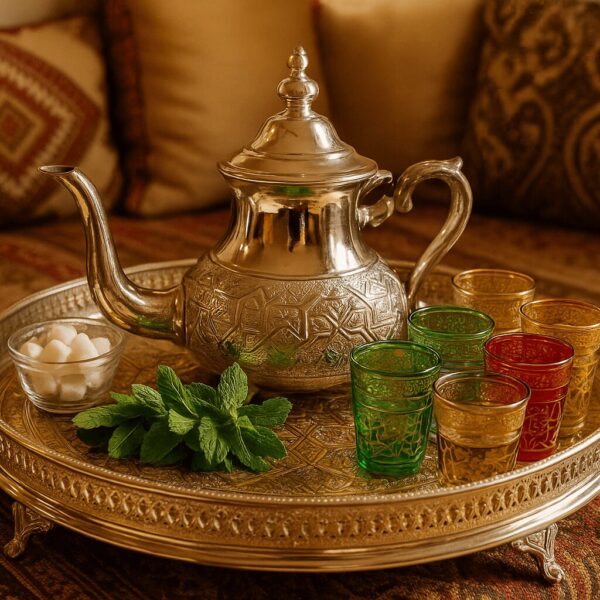
The Moroccan tea set – an artistic assembly of a teapot, tea glasses, and a tray – is more than just tableware. It's a cherished symbol of Moroccan hospitality, a...
What Is Berber Pizza (Medfouna)?
Berber pizza, known in Arabic as medfouna or madfouna (meaning "buried" or "the buried one"), is a traditional Amazigh stuffed flatbread from southern Morocco — not...


 Multicolor