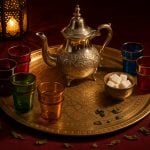
Moroccan Tea Glasses
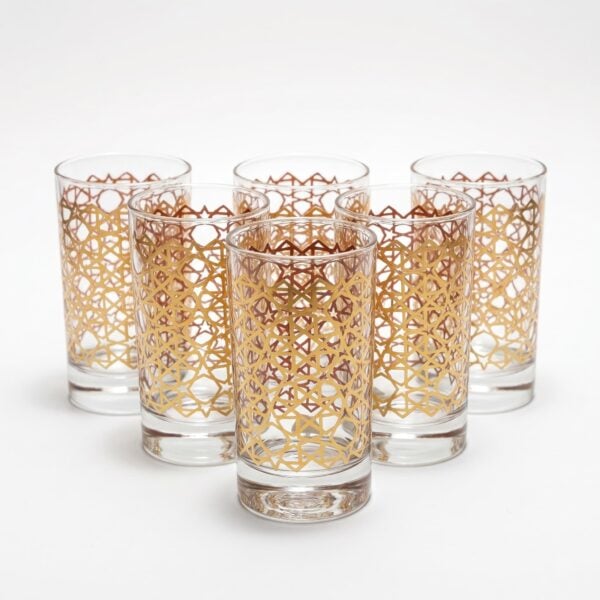
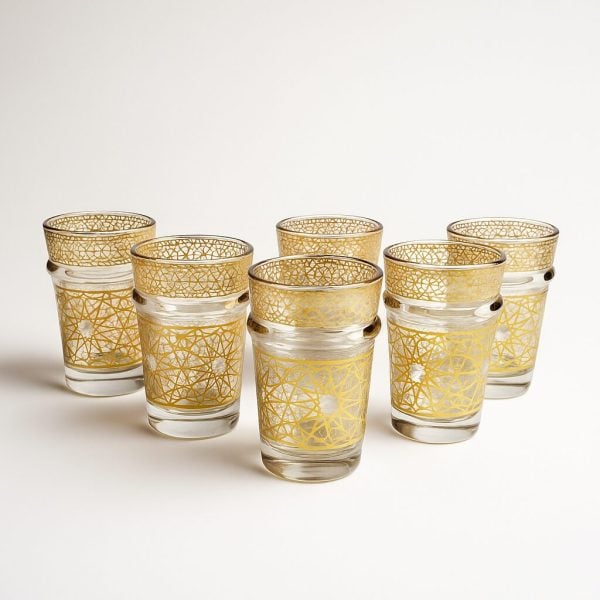
Moroccan tea glasses, often called kissan or kessane, are small handleless glasses for Moroccan mint tea. Explore Beldi recycled glass, hand-painted designs, and filigree metal-holder styles, mostly in sets of 6.
Filter by color:




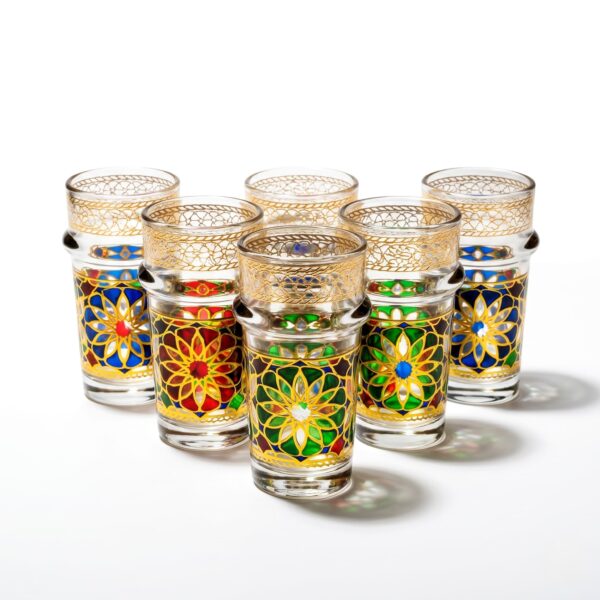


 Multicolor





What Are Moroccan Tea Glasses?
Moroccan tea glasses are small, handleless glasses used for serving atay, Morocco’s sweet mint tea. In Moroccan Arabic, they are often called kissan or kessane. Shoppers may also search for them as Moroccan tea cups, mint tea glasses, Beldi glasses, or Moroccan tea glass sets.
This collection brings together the styles buyers ask for most: clear Beldi glass, recycled aqua-green glass, colorful hand-painted sets, gold-tone or silver-tone decorated glasses, and filigree metal-holder sets. Most styles are sold as sets of 6, the classic size for hosting guests, but each product page should be checked for the exact count, capacity, dimensions, material, holder details, and care guidance.
Use these glasses for Moroccan mint tea, espresso, water, juice, dessert drinks, or table styling. Plain Beldi and recycled-glass styles are the easiest for everyday use; hand-painted, gilt, lidded, and metal-holder styles need gentler care.
Common Styles and Features
| Style | Best for | What to know |
|---|---|---|
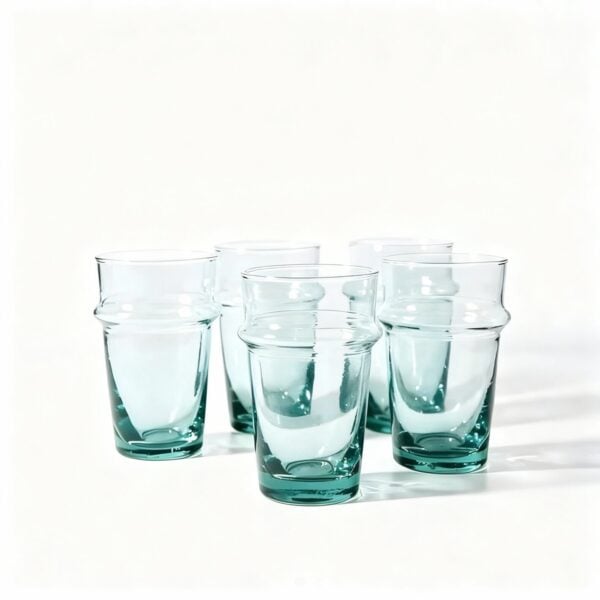
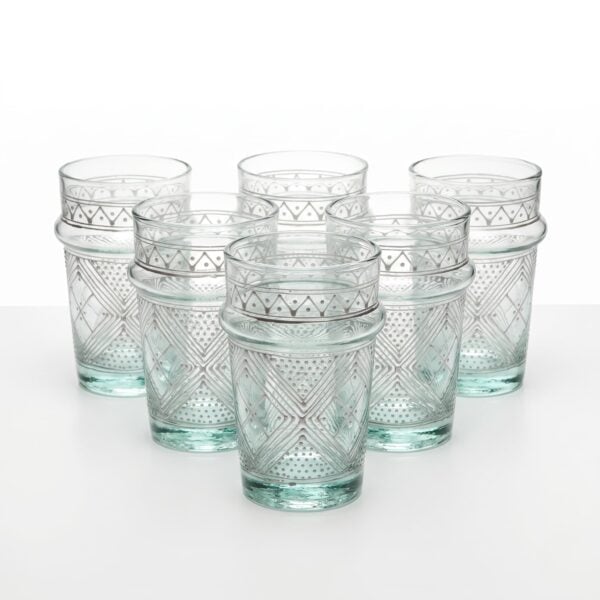
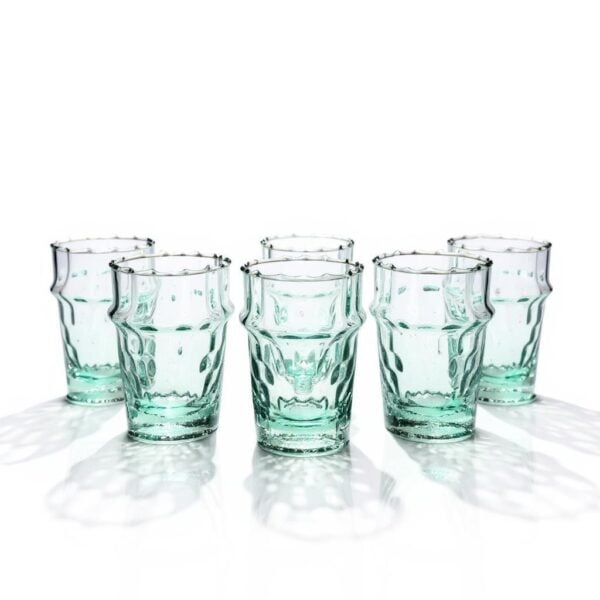
| Beldi and recycled glass | Everyday mint tea, water, juice, and relaxed table settings | Look for natural glass variation in thickness, tint, and tiny bubbles. Some Beldi and recycled-glass styles are connected to Younes and Marrakech glassworkers, while other styles in this category are defined by decoration or metal holders. |
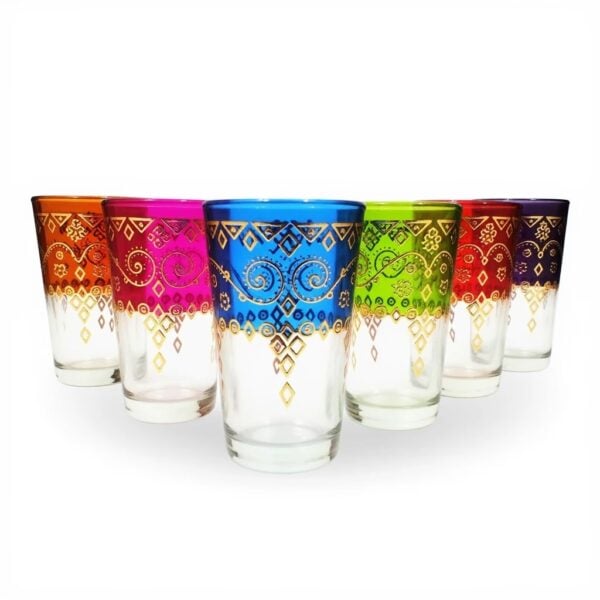
| Hand-painted and gold-design glasses | Colorful hosting, Eid tables, housewarming gifts, and decorative display | Painted, gilt, or decorative surface details should be handled gently and washed by hand to protect the surface design. |
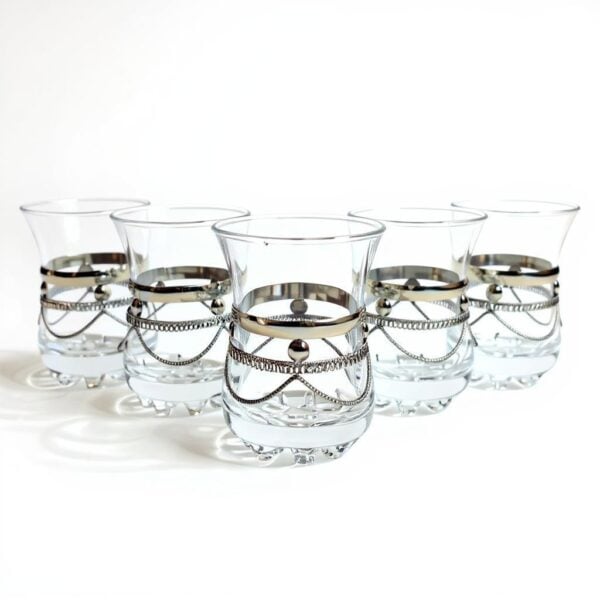
| Filigree and metal-holder glasses | Formal tea service, silver-tone styling, and a more ceremonial look | Metal sleeves, handles, and holders vary by product. Some are decorative and non-removable, so check the individual product page before assuming the glass separates from the holder. |
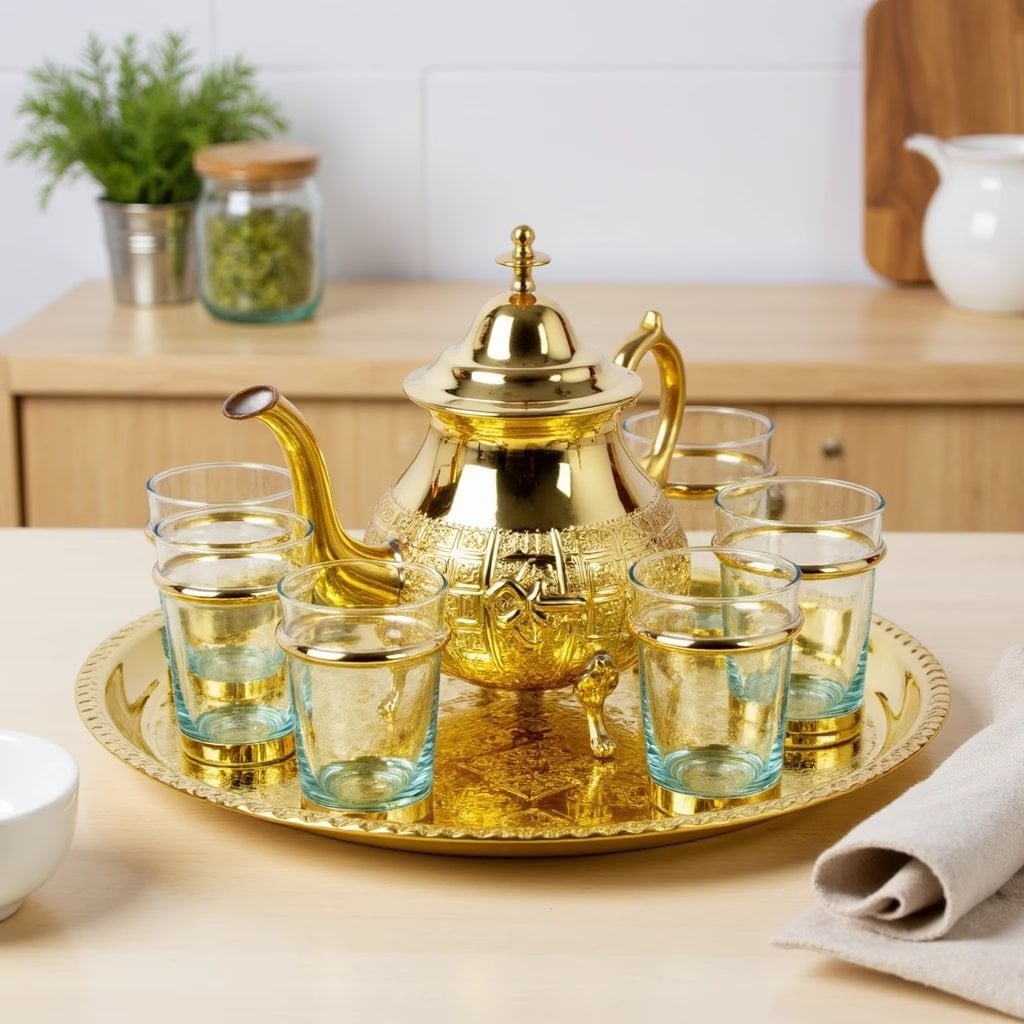
| Complete tea service | Buyers who want the teapot, tray, and glasses together | Pair individual glasses with a Moroccan teapot and serving tray, or choose a full tea set when you want the pieces matched. |
Buying Considerations
- Set size: Most Moroccan tea glass sets are sold as sets of 6, but product pages should be checked for exact count, color mix, capacity, and included holders, lids, or saucers.
- Material: The drinking glass may be plain glass, recycled glass, mouth-blown glass, or hand-shaped glass. Gold and silver details are usually decoration or holder hardware, not the glass material.
- Holder details: Metal sleeves, handles, and filigree holders vary by product. Some are decorative and non-removable, so do not assume the glass separates from the holder unless the product page says so.
- Care: Plain Beldi or recycled-glass styles may be dishwasher-safe only when the product page confirms it. Hand-painted, gilt, lidded, and metal-holder glasses should be hand washed and dried promptly.
- Use: Moroccan tea glasses are traditional for hot mint tea, and they also work well for espresso, water, juice, dessert drinks, and guest serving.
Craft, Materials, and Buyer Confidence
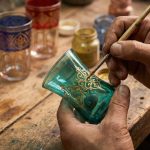
Many Moroccan tea glasses begin with glasswork: recycled glass or raw silica is heated, gathered, and shaped by breath and hand. Our Beldi and recycled-glass styles may show small variations in rim, color, wall thickness, or tiny bubbles. These are normal signs of hand-shaped glass, not factory defects. You can read more in our guide to how Moroccan tea glasses are made.
Some glass-focused pieces are connected to Younes, a Marrakech glassblower whose workshop works with raw silica and recycled glass. Other tea glasses in this category are defined by hand-painted decoration, gilt motifs, or metal sleeves and holders. We keep those details separate because buyers need to know what is glass, what is decoration, and what is metal hardware.
For care, start with the product page. Plain Beldi or recycled glass may be dishwasher-safe when the listing says so. Hand-painted, gilt, lidded, and metal-holder glasses should be hand washed with mild soap and dried with a soft cloth. Avoid sudden temperature shock, abrasive pads, harsh cleaners, and soaking metal holders.
Interior designers, retailers, restaurants, and event buyers can request trade pricing or larger quantities through our wholesale Moroccan products page.
Moroccan Tea Glasses Questions Answered
In Moroccan Arabic, tea glasses are often called kissan. Shoppers also search for Moroccan tea cups, tea glasses, mint tea glasses, or Beldi glasses, depending on the style. They are usually small, handleless glasses used for serving sweet Moroccan mint tea, but many people also use them for espresso, water, juice, and table styling.
Beldi glasses are simple Moroccan glass tumblers, often made from recycled or hand-shaped glass with natural variation. Hand-painted tea glasses add color, gold-tone motifs, henna-style patterns, or decorative bands. Metal-holder styles place the glass inside a silver-tone, gold-tone, brass-tone, or filigree holder for a more formal tea-service look. The best choice depends on whether you want daily use, color, or ceremonial presentation.
Most Moroccan tea glasses in this collection are sold as sets of 6, which is the classic size for hosting and serving tea to guests. Some listings may have different sizing, color options, or related drinkware formats, so check the product page for the exact set count, dimensions, capacity, color mix, and whether any holder, lid, or saucer is included.
Moroccan tea glasses are intended for serving hot mint tea when used normally. To protect handmade glass, avoid sudden temperature shock: do not move a cold glass straight into boiling liquid, and do not place a hot glass on a very cold surface. Warm the glass gradually, pour carefully, and follow any product-specific notes for decorated, lidded, or metal-holder styles.
Care depends on the style. Plain Beldi or recycled-glass tumblers may be dishwasher-safe when the product page confirms it. Hand-painted, gilt, lidded, and metal-holder tea glasses should be hand washed to protect the decoration and hardware. Use mild soap, avoid abrasive pads, dry promptly, and do not soak metal sleeves or holders unless the individual product page says otherwise.
Some Moroccan tea glasses sit inside a decorative metal sleeve, handle, or filigree holder. Depending on the product, this may be silver-tone metal, brass-tone metal, or silver-plated brass. The holder gives the glass a more ceremonial look and may help with grip, but it is not always removable. Check the individual product page for the verified holder material and attachment details.
Yes. Moroccan tea glasses are traditional for sweet mint tea, but their small size also works well for espresso, water, juice, lemonade, dessert drinks, and guest serving. Clear Beldi glasses feel casual and versatile, while painted or metal-holder glasses bring more color and presentation to a table. For a full ritual, pair them with a Moroccan teapot and serving tray.
Complete Your Authentic Tea Experience
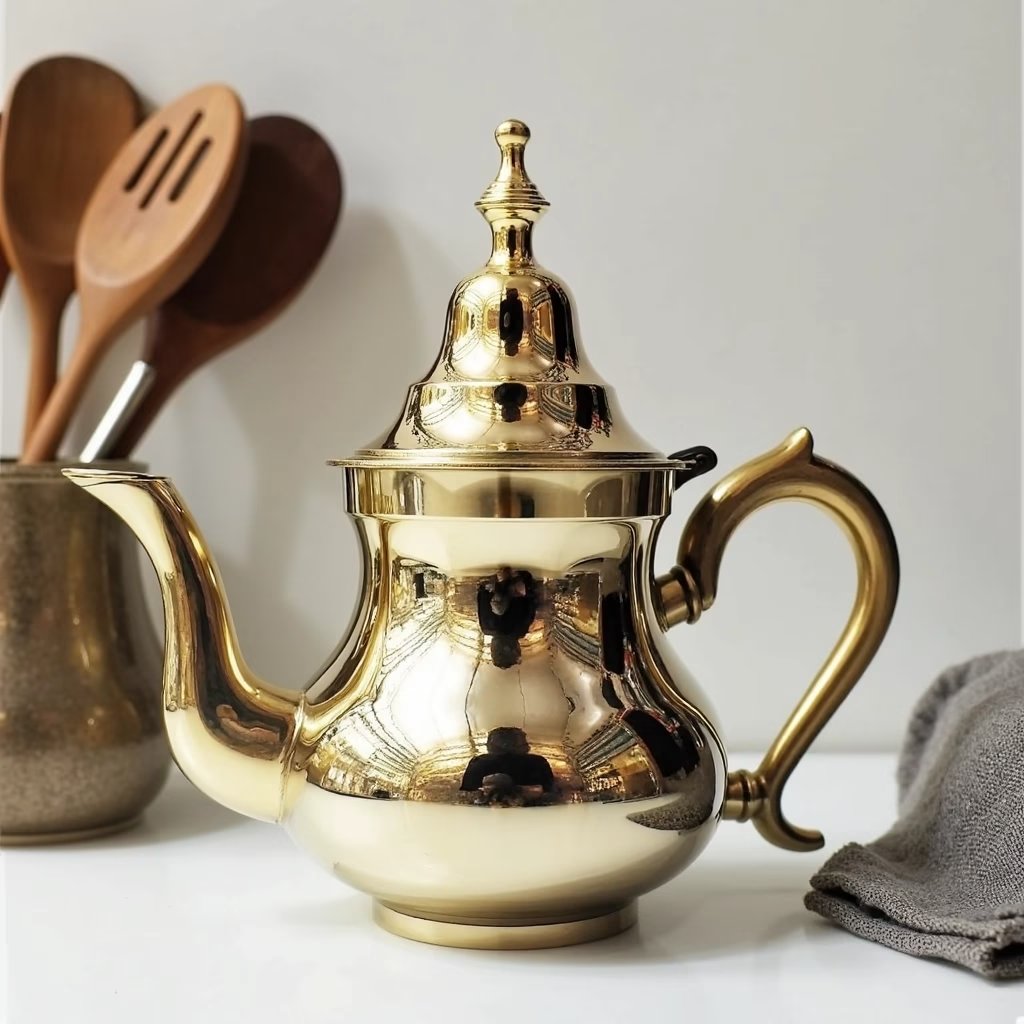
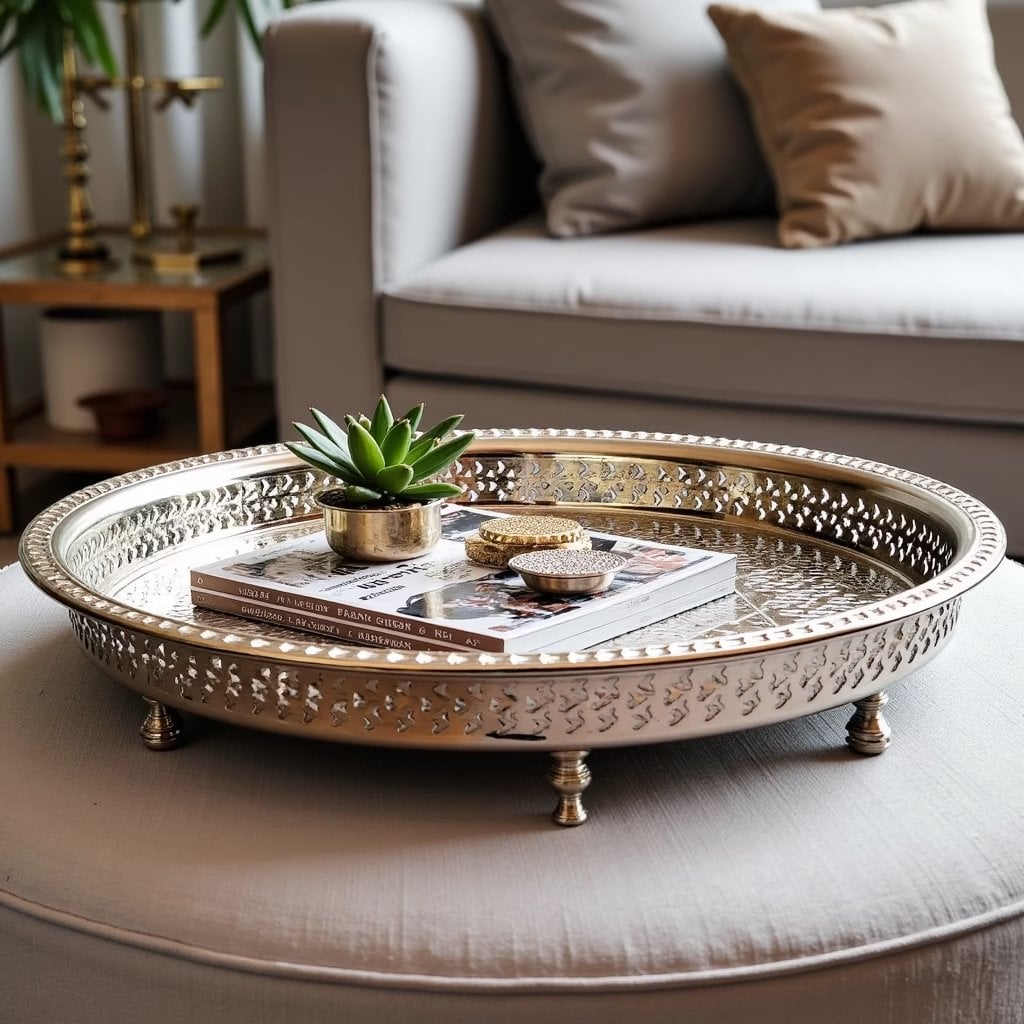
Build a complete Moroccan tea service with individual pieces that match how you serve: a teapot for brewing, tea glasses for pouring, and a serving tray for presentation. Choose individual pieces when you want to expand an existing set, or browse full tea sets when you want the pieces matched together.
Master the Art of Moroccan Tea Culture
From brewing the perfect cup to caring for your treasured pieces - explore our expert guides that transform tea drinking into an authentic cultural experience.