

USD $ 98.00
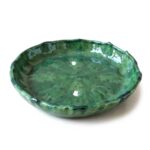
Handmade Tamegroute Ceramic Plate with Scalloped Edge – 20cm Green
 Quality Quality | Handmade |
|---|---|
 | Ceramic |
Guaranteed Safe Checkout
| Weight | 2.5 kg |
|---|---|
| Color | Green |
| Shape | Round |
| Size & Capacity | Small Plate – 20cm (7.9″)Diameter: 20 cm (7.9 inches) - Best for: Dessert plate, appetizers, bread service, tea accompaniments, or decorative wall art |
 Food Safety Food Safety | Food Contact SafeThis product is made from materials approved for food contact use., Lead-Free & Non-ToxicThis product has been tested to ensure it contains no toxic materials or heavy metals. |
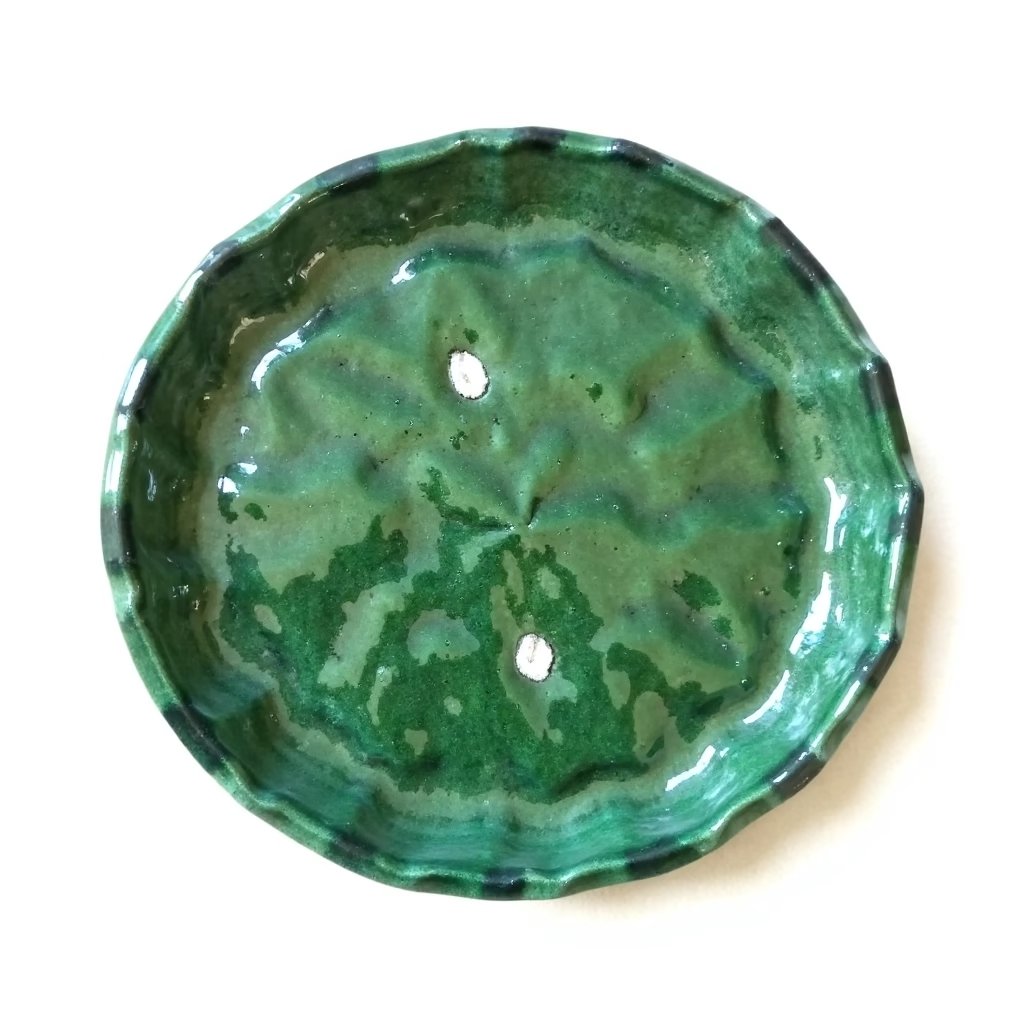
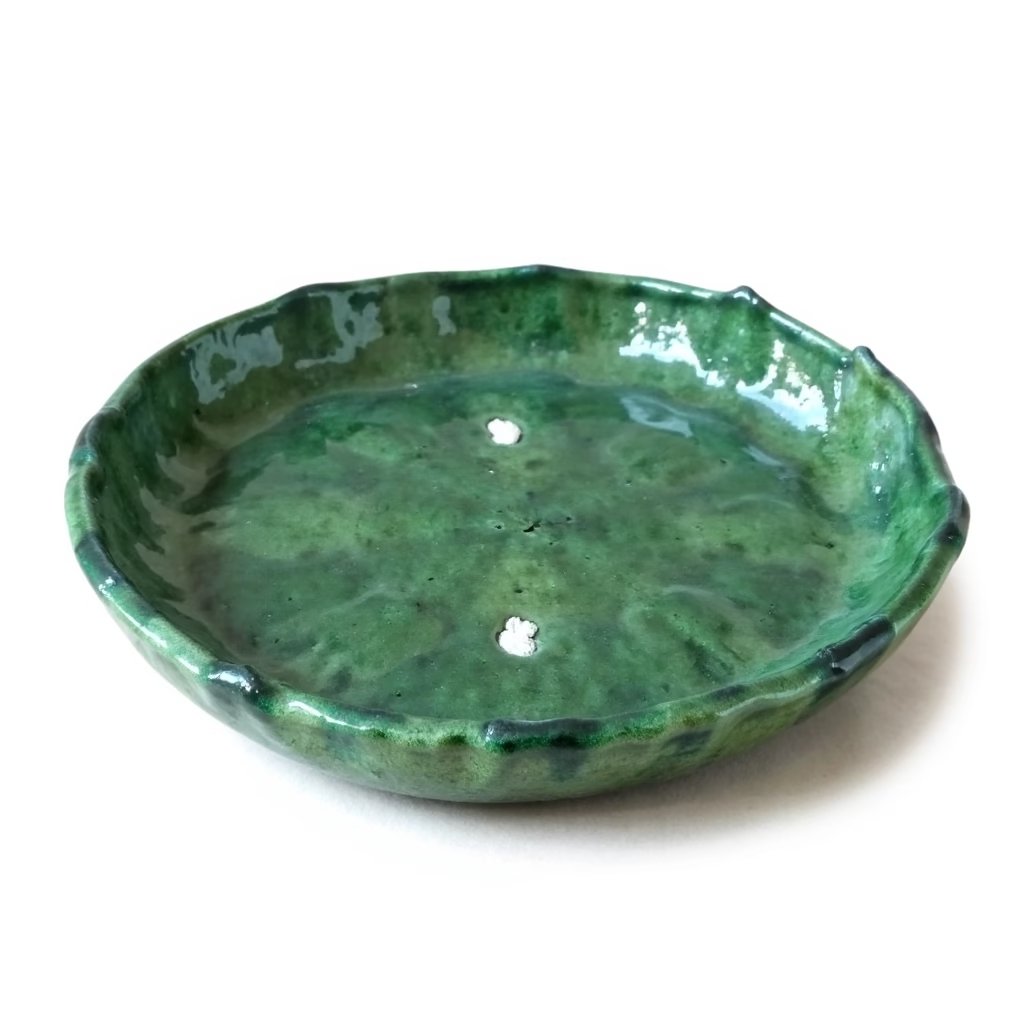
This authentic Tamegroute ceramic plate brings centuries-old pottery traditions to your table with its distinctive emerald-green glaze and organically scalloped edges. Hand-hammered using traditional techniques in the legendary pottery village of Tamegroute, this 20cm serving dish transforms everyday meals into artful dining experiences with its mesmerizing marbled glaze and perfectly imperfect handcrafted character.
Your Emerald-Glazed Tamegroute Plate at a Glance
- Material: Authentic Tamegroute ceramic with natural mineral-based glaze
- Dimensions: 20cm diameter (approximately 7.9 inches)
- Origin: Handcrafted in Tamegroute, Draa Valley, Morocco
- Glaze: Signature emerald-green with natural variations and marbling
- Food Safety: Food-safe glazing for serving
- Care: Hand wash only, not dishwasher or microwave safe
- Construction: Hand-hammered (not rolled) using centuries-old methods
From Potter’s Wheel to Your Dining Table
Each plate begins its journey in the hands of skilled artisans who have preserved Tamegroute’s distinctive pottery techniques for generations. Unlike mass-produced ceramics, this piece is hand-hammered rather than rolled, creating subtle textural variations that speak to its authentic origins. The signature green glaze contains natural minerals sourced from the Draa Valley, producing the mesmerizing depth and tonal variations that make Tamegroute pottery instantly recognizable. During the firing process, these minerals react to create unique marbled effects, ensuring no two plates are identical. The scalloped edges are formed entirely by hand, resulting in organic irregularities that celebrate the artisan’s touch. Discover the fascinating heritage behind this ancient craft and the techniques that have remained unchanged for centuries.
Why This Green Ceramic Plate Elevates Your Home
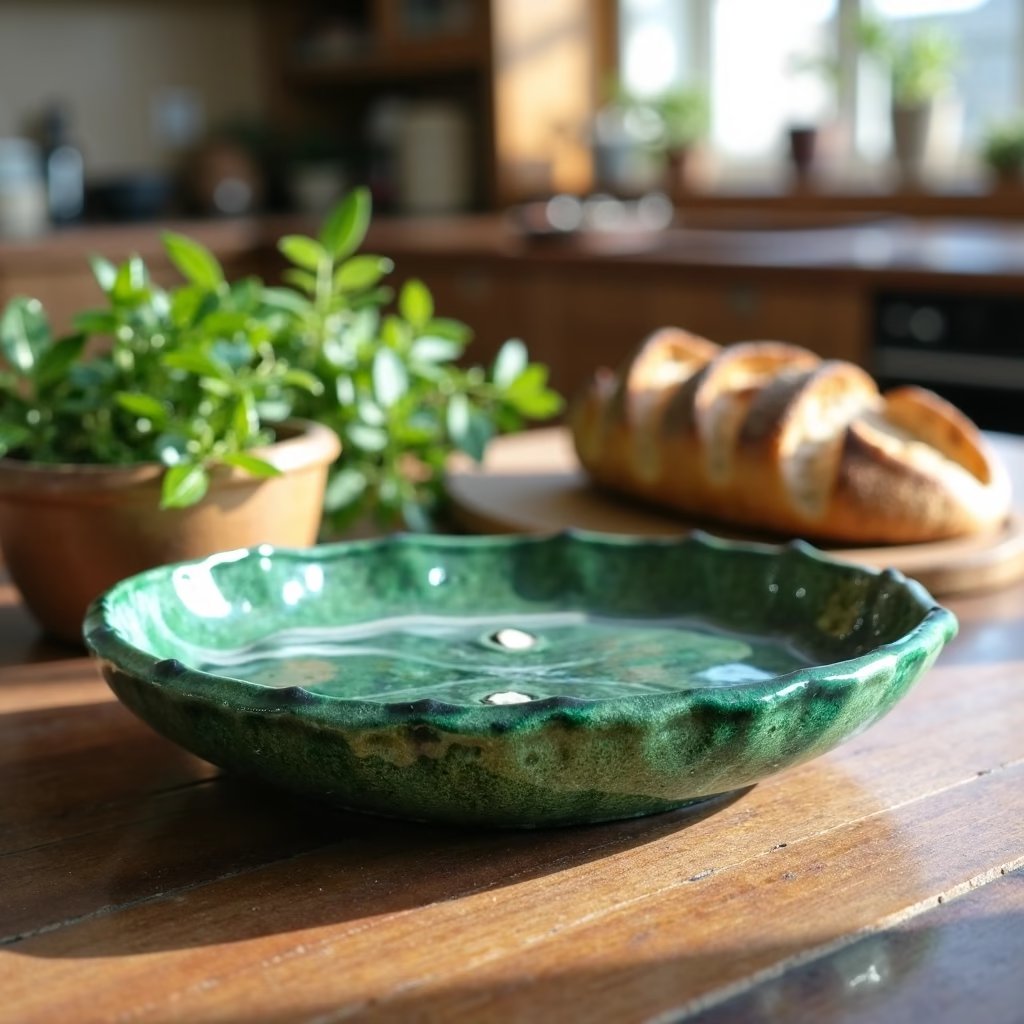
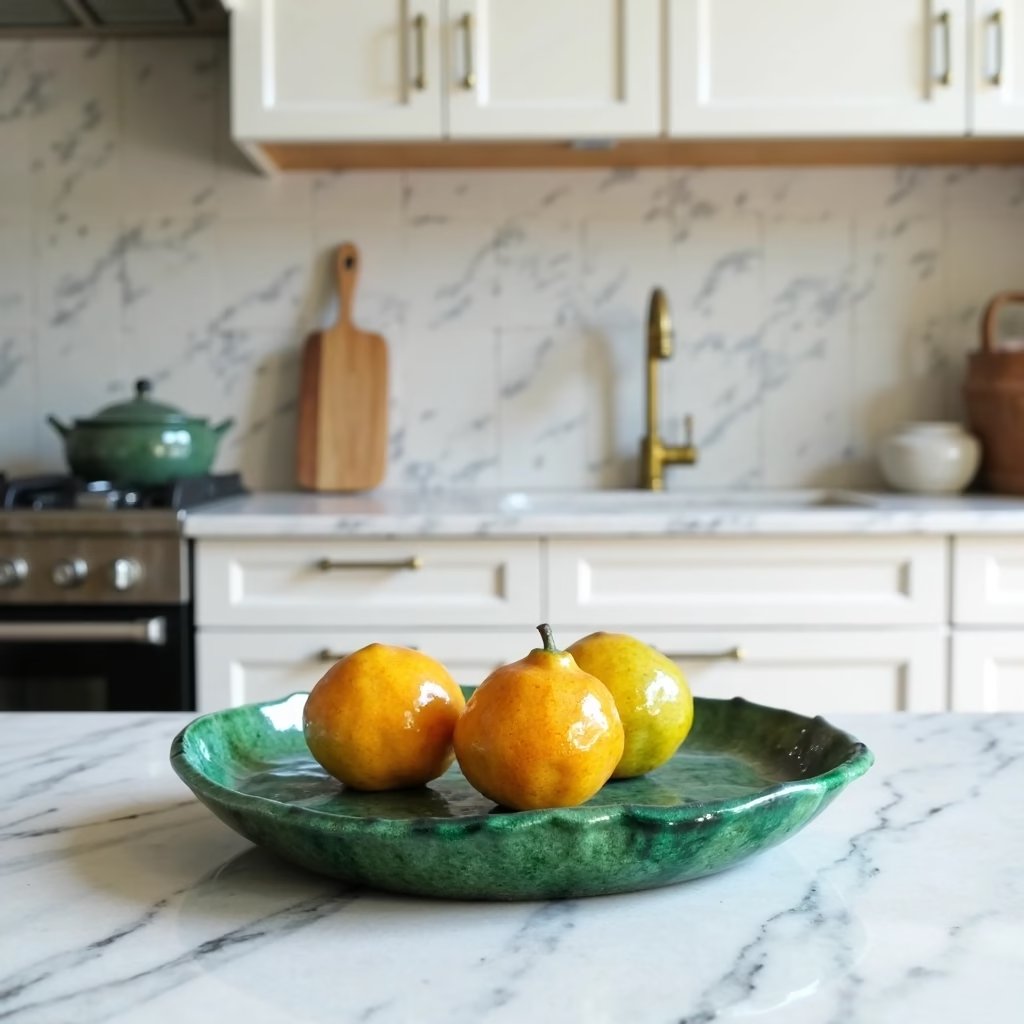
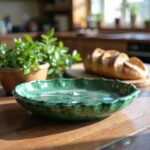
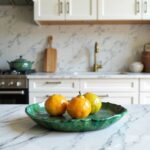
This versatile serving piece bridges the gap between functional tableware and decorative art. The rich emerald tones complement both modern minimalist aesthetics and bohemian table settings, while the 20cm size proves ideal for serving appetizers, desserts, tapas, or displaying fresh fruits. Each natural variation in the glaze tells the story of its handmade journey, offering an authentic alternative to mass-produced dinnerware that supports traditional artisan communities and sustainable craft practices.
What Makes This Tamegroute Ceramic Special
- Authentic Glaze Heritage: Natural mineral-based emerald-green glaze unique to Tamegroute pottery traditions
- Hand-Hammered Construction: Traditional forming technique creates subtle textural depth and character
- Organic Scalloped Edges: Hand-formed irregular edges celebrate artisanal imperfection
- Versatile Serving Size: 20cm diameter perfect for appetizers, desserts, salads, or decorative display
- Marbled Uniqueness: Natural glaze variations ensure each piece is one-of-a-kind
- Food-Safe Quality: Traditional glazing methods produce safe surfaces for serving
- Artisan Provenance: Crafted in Tamegroute, the legendary pottery village of Morocco’s Draa Valley
- Sustainable Choice: Handmade ceramic alternative to mass-produced tableware
Perfect for Restaurants & Food Photography Studios
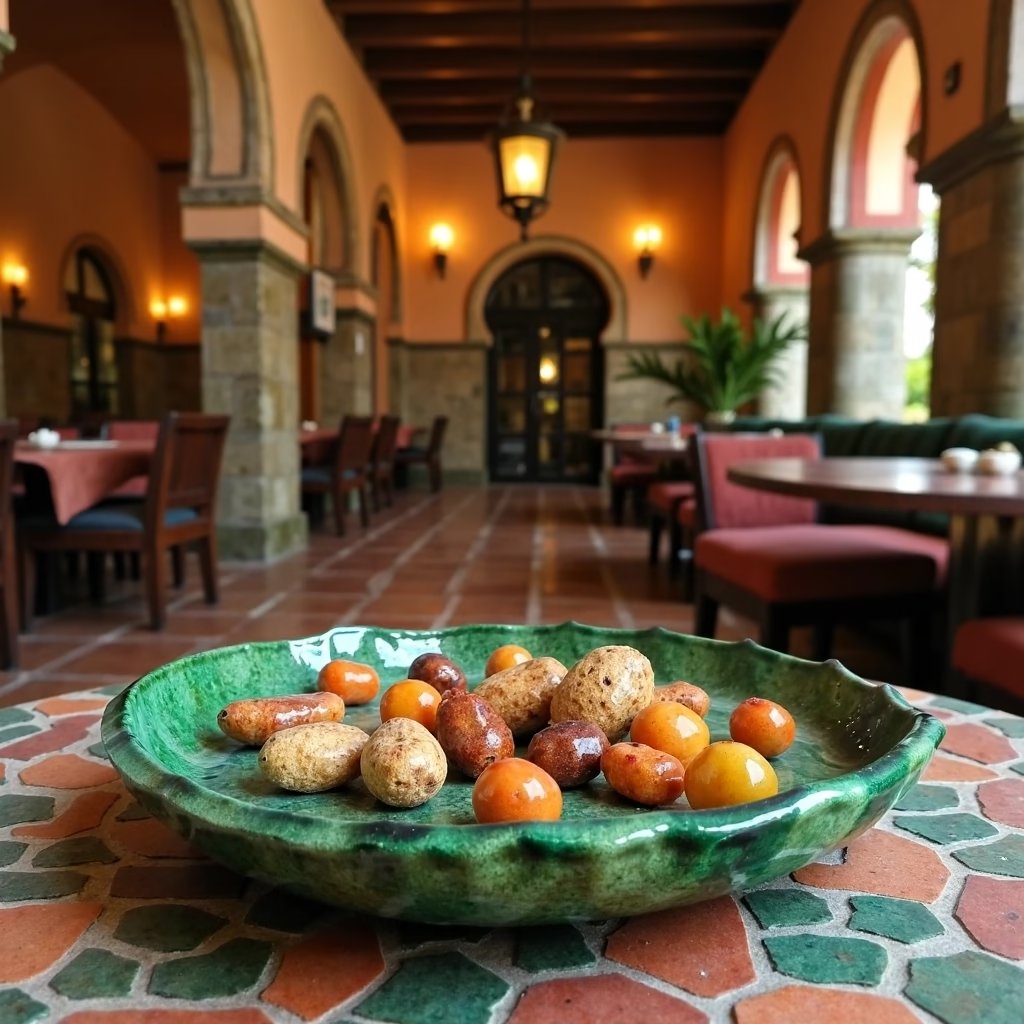
This Tamegroute ceramic plate is available for bulk orders, making it ideal for restaurants, cafes, and food photographers seeking authentic artisan tableware. The distinctive emerald glaze and handcrafted character create memorable dining presentations that elevate every dish. Our wholesale program offers consistent quality with the unique variations that only genuine handmade pottery can provide. Explore wholesale pricing for your hospitality or creative projects.
Complete Your Artisan Table Collection
Pair this distinctive green plate with complementary pieces from our ceramic plates and bowls collection to create a cohesive table setting that celebrates handcrafted artistry. For a complete Moroccan dining experience, explore our pottery collection featuring coordinating serving pieces, or discover handcrafted serving trays that bring the same artisanal character to your entertaining repertoire. Each piece in your collection supports traditional craft communities while bringing sustainable, ethically sourced beauty into your daily rituals.
A: Moroccan ceramics are distinguished by their hand-painted geometric and floral patterns, vibrant color palettes, and traditional glazing techniques passed down through generations. Authentic pieces are crafted in renowned pottery centers like Fez (famous for blue and white designs), Safi (known for colorful, rustic styles), and Tamegroute (recognized for distinctive green glazes). Each piece is individually shaped on a potter's wheel or hand-molded, then hand-painted and kiln-fired, making every item one-of-a-kind with natural variations that reflect artisan craftsmanship.
A: Yes, absolutely. Our Moroccan ceramics are completely food-safe:
✓ Food Contact Safe: Made from materials approved for food contact use
✓ Lead-Free & Non-Toxic: Rigorously tested to ensure they contain no toxic materials or heavy metals
✓ Safe Glazes: Our glazes meet international food safety standards
You can confidently use our ceramics for serving, eating, and storing food. They're perfect for everyday dining, entertaining guests, or presenting traditional Moroccan dishes.
A: Seasoning your tagine is essential to strengthen the clay and prevent cracking. Follow these steps before cooking:
- Soak thoroughly: Submerge both the base and lid in water for at least 2 hours (or overnight). This saturates the porous clay.
- Dry completely: Remove from water and let air-dry completely (several hours or overnight).
- Oil the interior: Rub olive oil generously on the interior of both the base and lid.
- Season in the oven: Place the tagine in a cold oven, then heat to 300°F (150°C) for 2 hours. This allows gradual heating without thermal shock.
- Cool slowly: Turn off oven and let the tagine cool completely inside before removing.
After seasoning, your tagine is ready for cooking! Always remember to start with a cold oven or low heat and increase temperature gradually to avoid cracking. Never place a cold tagine on high heat or a hot tagine on a cold surface.
A: Moroccan ceramics vary by region, each with distinctive characteristics:
Fez Pottery: Features intricate blue and white or blue-green patterns with geometric and arabesque designs. Known for refined, delicate work.
Safi Ceramics: Characterized by bold, colorful glazes—vibrant blues, greens, yellows, and oranges. More rustic and expressive style.
Tamegroute Pottery: Distinguished by its signature green glaze created from natural minerals. Earthy, organic aesthetic with subtle variations.
Berber Ceramics: Simple, natural terracotta with minimal decoration, focusing on functional beauty and traditional forms.
Learn more about regional styles in our Moroccan pottery types and decorations guide.
A: Dishwasher: Hand washing is recommended to preserve the hand-painted designs and prevent glaze crazing. The high heat and harsh detergents can gradually fade colors and patterns.
Microwave: Most of our ceramics are microwave-safe for reheating food. Avoid extended heating times or very high temperatures.
Oven: Traditional Moroccan tagines and certain ceramic bakeware can be used in the oven, but always start with a cold oven and avoid thermal shock (sudden temperature changes). Not all decorative pieces are oven-safe—check product specifications.
Best practice: Hand wash, use microwave for gentle reheating, and reserve oven use for designated cooking vessels.
A: Proper care ensures your ceramics remain beautiful for generations:
Daily cleaning:
- Hand wash with warm water and mild dish soap
- Use soft sponges or cloths—avoid abrasive scrubbers
- Dry thoroughly after washing to prevent water spots
Stain removal:
- For stubborn stains, make a paste of baking soda and water, gently rub, and rinse
- Soak in warm soapy water for 15-20 minutes before washing
Storage:
- Stack carefully with protective padding (cloth or paper) between pieces
- Store in a dry place away from extreme temperature changes
Avoid: Dishwashers, thermal shock (hot to cold quickly), abrasive cleaners, and metal utensils that can scratch glazes.
A: These characteristics are marks of authenticity, not defects! Handcrafted ceramics naturally show:
- Color variations: Hand-mixed glazes and kiln position create unique color depth and shading
- Pattern irregularities: Hand-painting means no two pieces are identical—each brush stroke is unique
- Size differences: Hand-shaping on the potter's wheel creates slight dimensional variations
- Glaze texture: Natural settling and kiln firing create organic patterns and textures
These "imperfections" are what make each piece one-of-a-kind artwork with soul and character. Mass-produced ceramics lack this individuality. The variations prove your piece was made by human hands using centuries-old techniques.
A: Moroccan ceramics encompass a wide range of functional and decorative items:
Serving & Dining:
- Plates and bowls (various sizes from appetizer to serving platters)
- Tagine cookware (conical lids for traditional cooking)
- Serving dishes and platters
- Cups, mugs, and tea glasses
Kitchen & Storage:
- Spice containers and storage jars
- Olive oil bottles and dispensers
- Utensil holders
Decorative:
- Vases (small to large)
- Decorative plates for wall display
- Ceramic tiles with traditional patterns
Browse our complete collection at ceramic plates and bowls and Moroccan pottery.
A: Authentic Moroccan ceramics are created through a time-intensive, multi-step process:
- Clay preparation: Local clay is sourced, cleaned, and aged for proper consistency
- Shaping: Potters hand-throw pieces on traditional wheels or hand-mold using ancient techniques
- Drying: Pieces air-dry slowly to prevent cracking (1-3 days)
- First firing (bisque): Kiln-fired at lower temperature to harden the clay
- Glazing: Hand-mixed glazes applied, often using natural mineral pigments
- Hand-painting: Artisans paint intricate patterns freehand—no stencils or transfers
- Final firing: High-temperature kiln firing (often wood-fired) sets the glaze and colors
The entire process takes 7-14 days per piece and requires skills learned through years of apprenticeship. Discover artisan stories at Jamal's ceramic artisan profile.
A: Absolutely! Moroccan ceramics are designed for authentic culinary use:
Tagine cookware: The iconic conical lid design creates steam circulation for slow-cooking tender meats and vegetables. Perfect for traditional tagine recipes.
Serving dishes: Ideal for presenting couscous, salads, dips (like zaalouk or hummus), and mezze platters
Bowls: Excellent for soups like harira, breakfast porridge, or snacks
Plates: Versatile for any meal, from everyday dining to special occasions
The natural clay and glazes are food-safe and enhance the presentation of Moroccan cuisine. Many families use ceramics daily for both cooking and serving, continuing centuries-old traditions.
A: Prices vary based on size, complexity, and regional origin:
Small items (cups, small bowls, spice jars): $15-$35
Medium pieces (dinner plates, medium bowls, small vases): $25-$60
Large items (serving platters, large tagines, statement vases): $50-$120
Extra-large or highly detailed pieces: $120-$200+
Factors affecting price:
- Size and weight
- Intricacy of hand-painted design
- Regional origin (Fez ceramics often command premium prices)
- Artist reputation and experience
- Functional vs. decorative purpose
The investment reflects hours of skilled handwork creating functional art that lasts generations. Each piece supports traditional artisan communities and preserves centuries-old ceramic traditions.
Choose from two delivery options for your handcrafted Moroccan treasures:
FREE Standard Shipping: USA, Europe: 7-15 business days -International: 10-25 business days. No minimum order requirement
Express Shipping: USA: 3-5 business days - Europe: 2-3 business days - International: 4-10 business days. Rates calculated at checkout
Fulfillment time: Please allow 2-3 business days before shipping begins.
Returns: We offer a 30-day return policy for your peace of mind. For complete details, please visit our Shipping Policy and Return and Refund Policy pages.

REVIEWS
RELATED PRODUCTS


YOU MAY ALSO LIKE


Reviews
Clear filtersThere are no reviews yet.