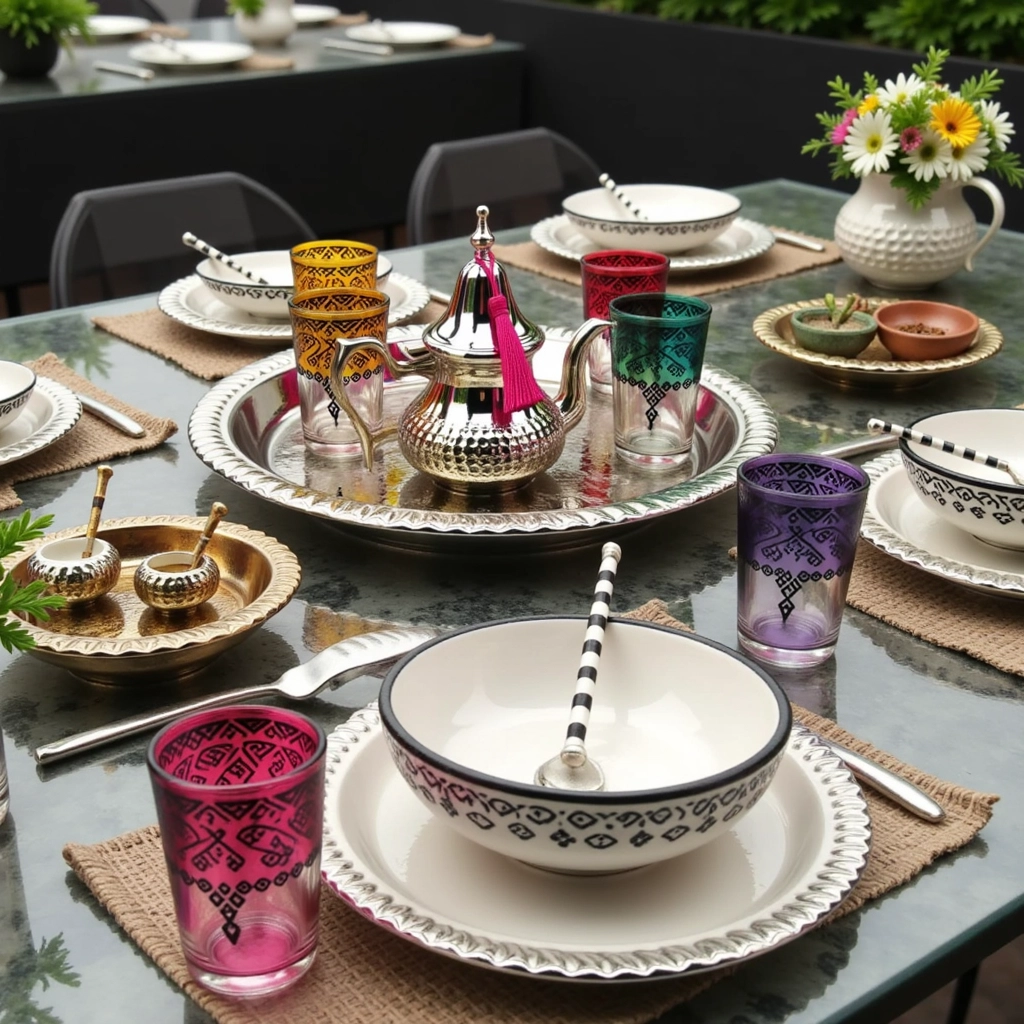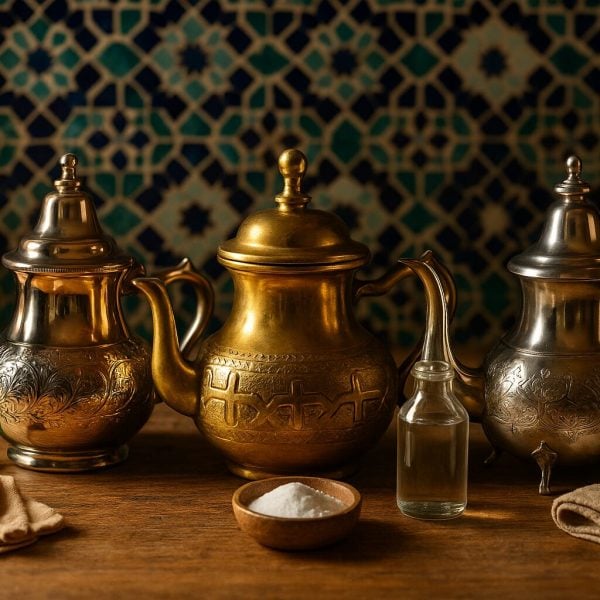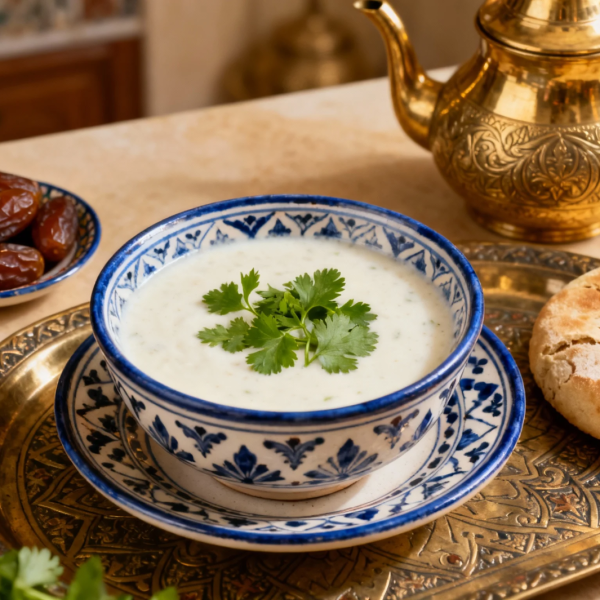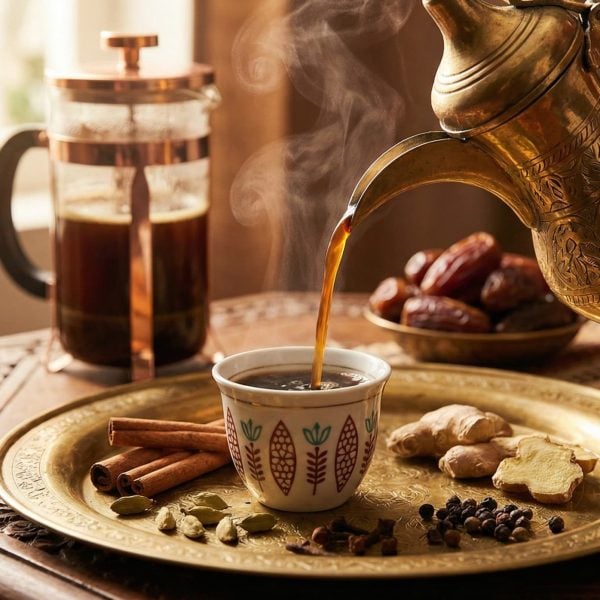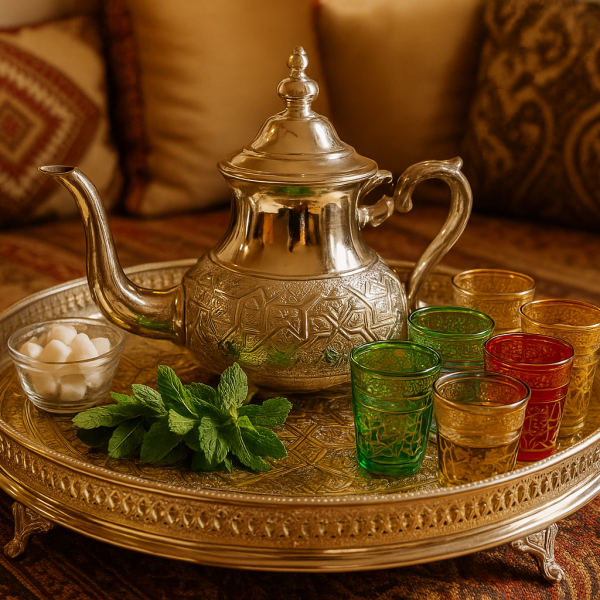
The kitchen island has evolved far beyond its utilitarian origins. Today, it’s the social heart of the home — where morning coffee rituals unfold, Moroccan tea sets are placed on brass trays, homework gets conquered, and dinner guests gather while you put finishing touches on a meal. Yet so many islands remain underwhelming, missing the opportunity to become true design statements.
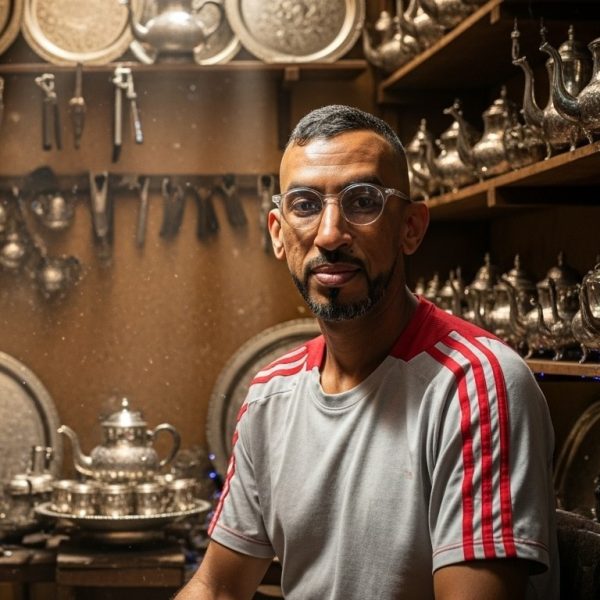
What if your kitchen island could tell a story? One of skilled artisans working with techniques passed down through generations — Omar hand-stitching leather in Marrakech’s medina, Abdul Jalil piercing brass into lanterns — of sun-baked terracotta and natural fibers transformed into sculptural light. This is the unexpected magic that Moroccan craftsmanship brings to contemporary kitchens—warmth without clutter, authenticity without pretension.
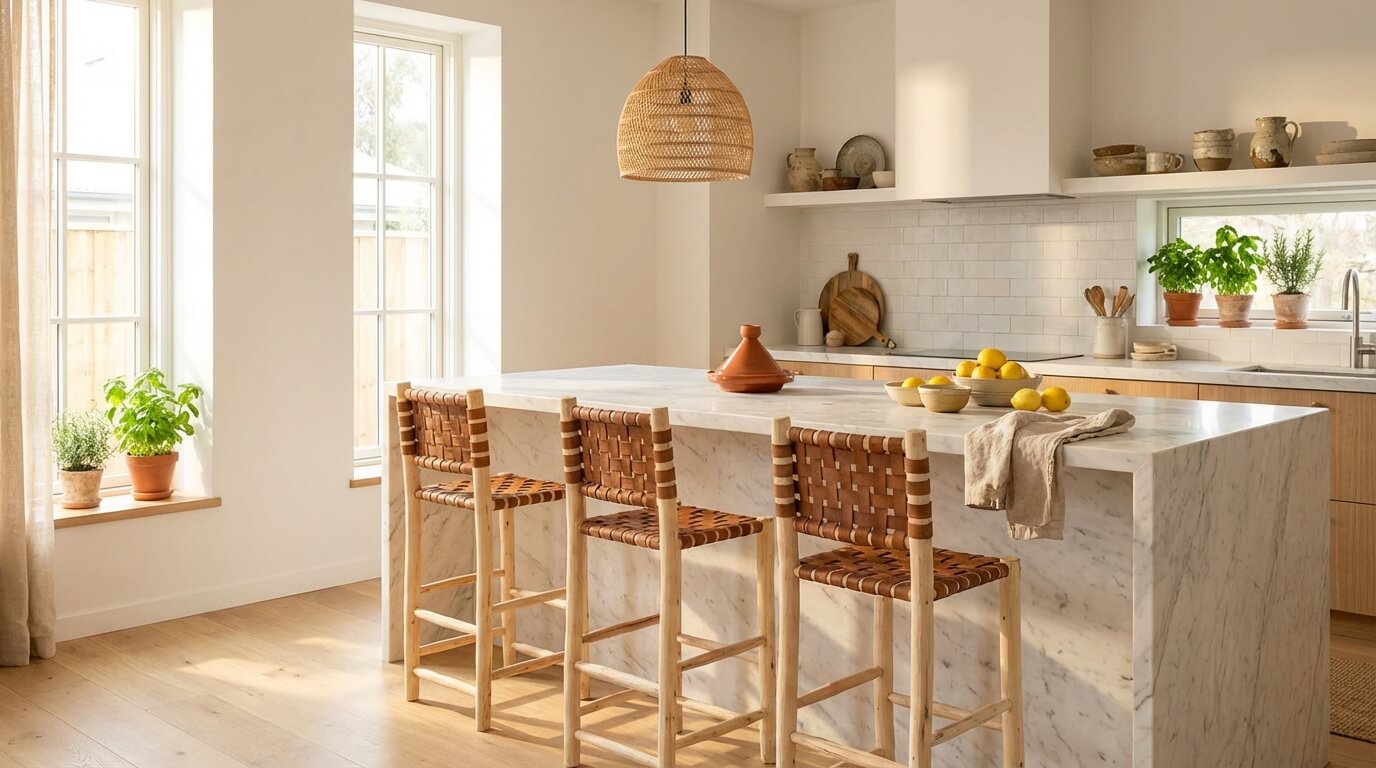
Elevating Bar Seating with Handwoven Leather
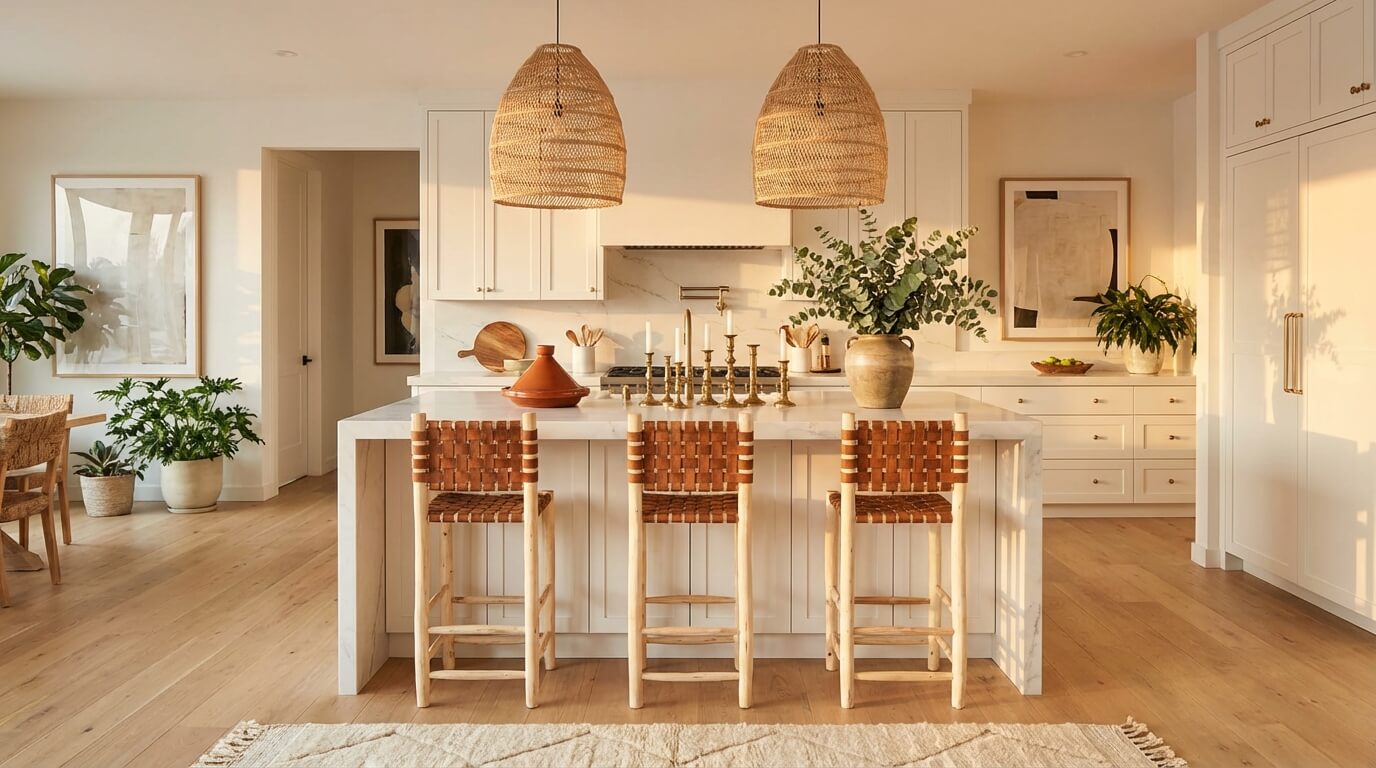
Bar stools are often an afterthought—functional pieces selected for height rather than character. But when you introduce handwoven Moroccan leather seating to your island, something remarkable happens. The space transforms from purely functional to genuinely inviting.
The secret lies in the material itself. Moroccan leather, traditionally tanned using ancient methods in the famous tanneries of Fez and Marrakech, develops a patina over time that synthetic materials simply cannot replicate. Each piece carries subtle variations in tone and texture—evidence of the human hand at work.
Styling Tips for Leather Bar Seating
- Color coordination: Camel and cognac tones work beautifully with white or light wood kitchens, while darker leather creates striking contrast against pale marble islands
- Height matters: Counter-height stools (24-26 inches) suit standard islands, while bar-height (28-30 inches) works for raised breakfast bars
- Odd numbers: Group three stools along one side for visual interest, even if you have space for four
- Mix textures: Pair smooth leather seats with woven backs or metal frames to add dimensional interest
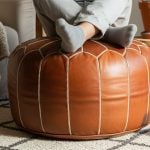
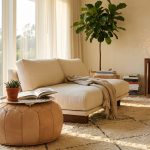
Consider introducing a Moroccan Leather Pouf Ottoman nearby—perhaps tucked under a console or in an adjacent breakfast nook. These versatile pieces echo the leather seating while providing additional casual seating for overflow guests.
Terracotta as Display Art: Beyond the Oven
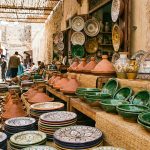
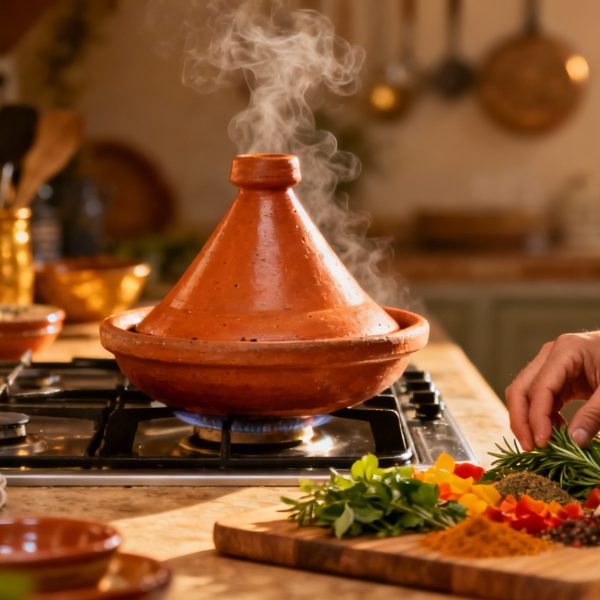
Here’s an approach that surprises even seasoned designers: treating functional Moroccan ceramics as sculptural art. The rich, earthy tones of terracotta tagines and serving bowls bring organic warmth that glass and stainless steel kitchens desperately crave.
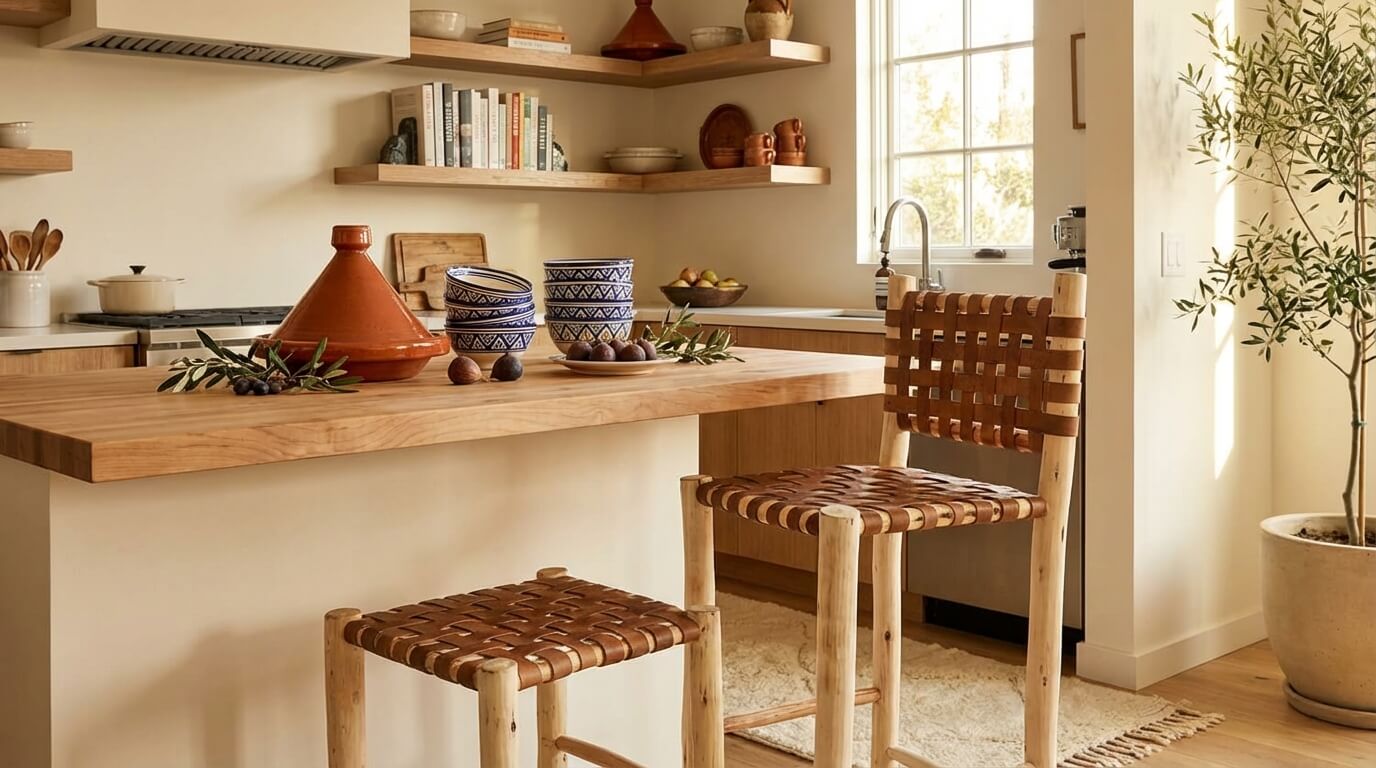
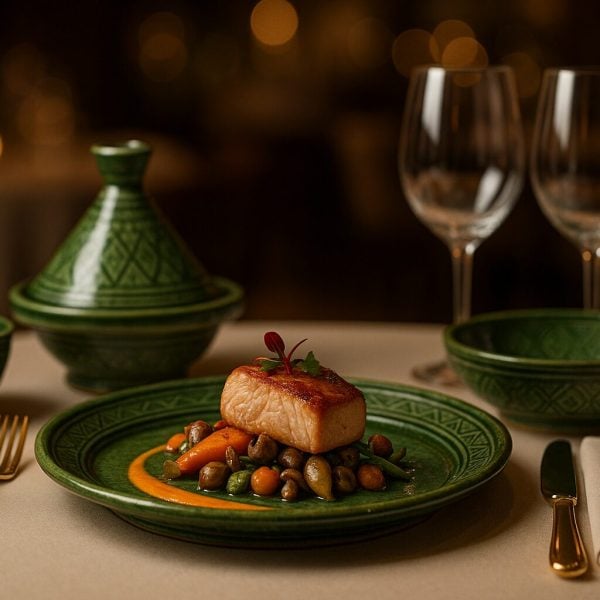
The Moroccan Tagine Pot for Cooking makes a surprisingly elegant display piece when not in use. Its distinctive conical lid creates architectural interest, while the glazed terracotta surface catches light beautifully. Position one on your island as a permanent centerpiece, perhaps filled with seasonal fruits or simply standing proud as a sculptural element.
Creating a Curated Ceramic Display
The key to styling ceramics on your kitchen island is intentional curation rather than random placement. Consider these approaches:
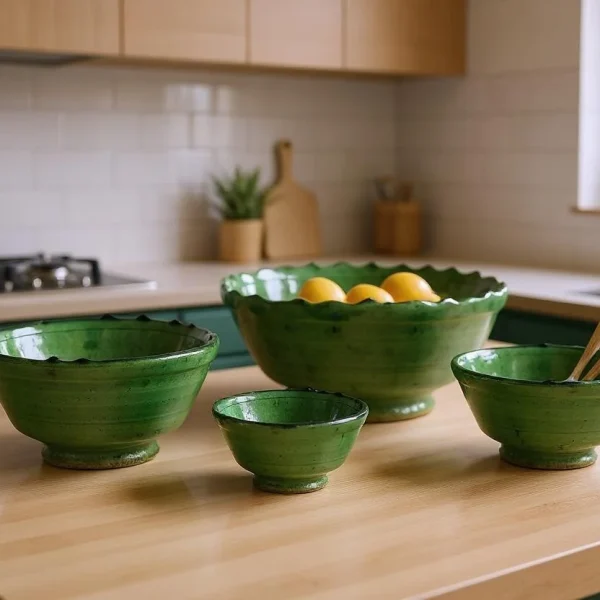
- The trio arrangement: Group three pieces of varying heights—perhaps a tagine flanked by two Moroccan Ceramic Bowls with Berber Pattern
- The functional display: Stack nested bowls like the Handmade Ceramic Moroccan Nesting Bowls Set as ready-to-use serving pieces that double as art
- The seasonal rotation: Swap out displayed pieces seasonally, keeping your island feeling fresh and considered
For everyday functionality that doesn’t sacrifice style, the Artisan Ceramic Olive Dish with Pits Holder serves beautifully during appetizer hour while adding authentic Mediterranean character to your island styling.
Ambient Glow: Candle Holders as Kitchen Decor
Kitchens are typically designed around task lighting—bright, efficient, practical. But the most memorable kitchen islands incorporate ambient lighting that softens the space during evening hours. This is where Moroccan metalwork truly shines.
Traditional Moroccan candle holders, with their intricate geometric cutouts, cast mesmerizing shadow patterns across surfaces. When the overhead lights dim and candlelight takes over, your kitchen transforms into something unexpectedly romantic.
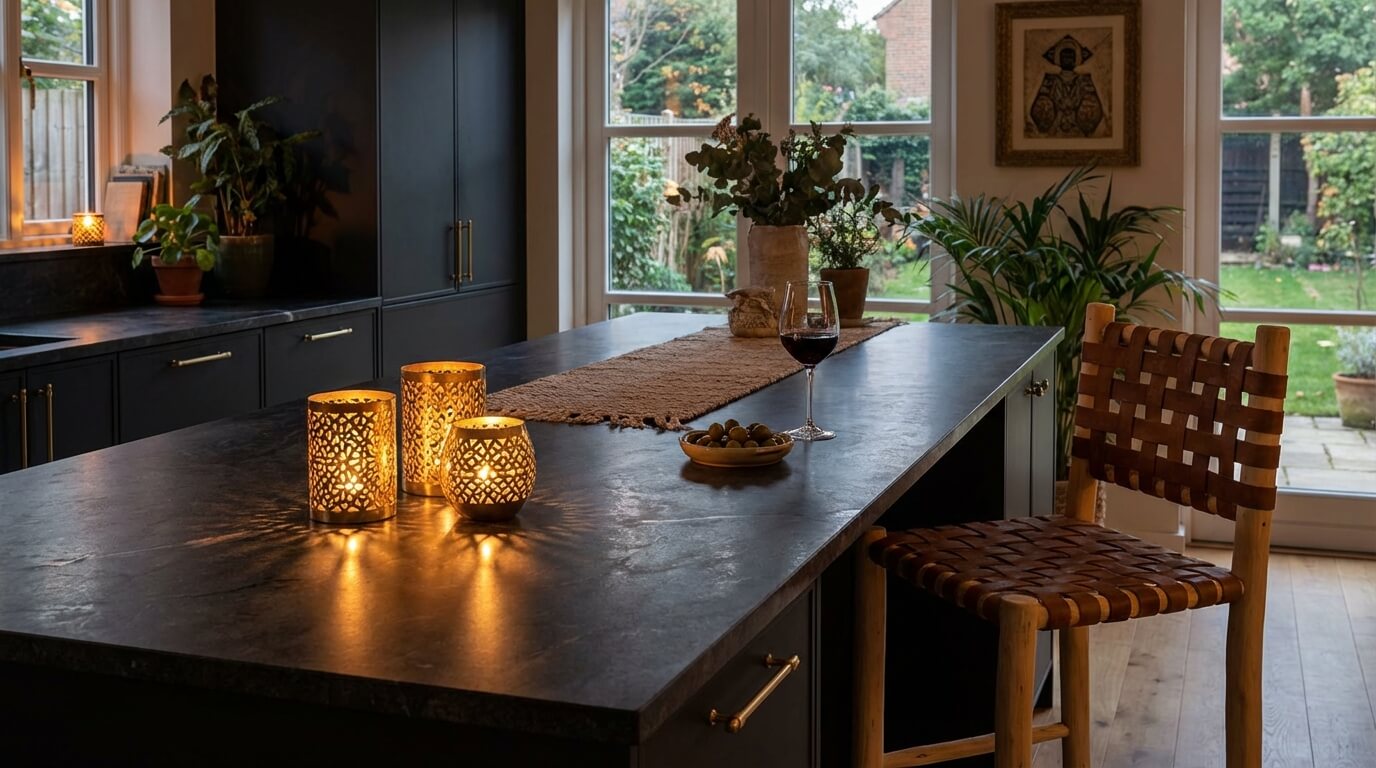
The Moroccan Tealight Candle Holder in Brass offers an accessible entry point—small enough to cluster in groups of three or five along your island’s length. For more dramatic impact, the Moroccan Pillar Candle Holder with Glass creates a stunning focal point while the glass enclosure makes it practical for kitchen use.
Safe Candle Styling for Kitchens
- Position candle holders away from the cooking zone—the far end of the island is ideal
- Choose enclosed designs with glass hurricanes for safety near food preparation
- Consider LED candles inside decorative Moroccan holders for worry-free ambiance
- Use unscented candles in the kitchen to avoid competing with food aromas
Making a Statement Overhead with Natural Fiber Lighting
If there’s one element that can single-handedly transform a kitchen island from ordinary to extraordinary, it’s the pendant light. And nothing makes quite the statement of a handwoven Moroccan rattan fixture.
Natural fiber pendants bring warmth, texture, and artisanal character that mass-produced fixtures simply cannot match. The Moroccan Rattan Pendant Light Shade creates beautiful filtered light while serving as a sculptural centerpiece overhead. For longer islands, consider the Moroccan Rattan Pendant Light Oval Shade—its elongated form echoes the island’s proportions beautifully.
Pendant Placement Principles
Proper pendant placement makes all the difference:
- Height: Hang pendants 30-36 inches above the island surface for optimal light distribution and sightlines
- Spacing: For multiple pendants, space them 24-30 inches apart, centered over the island
- Scale: A single large statement pendant (like the Moroccan Rattan Pendant Light Dome Shade) suits islands under 6 feet; longer islands benefit from two or three smaller fixtures
- Bulb choice: Warm white LEDs (2700K-3000K) complement natural fiber materials beautifully
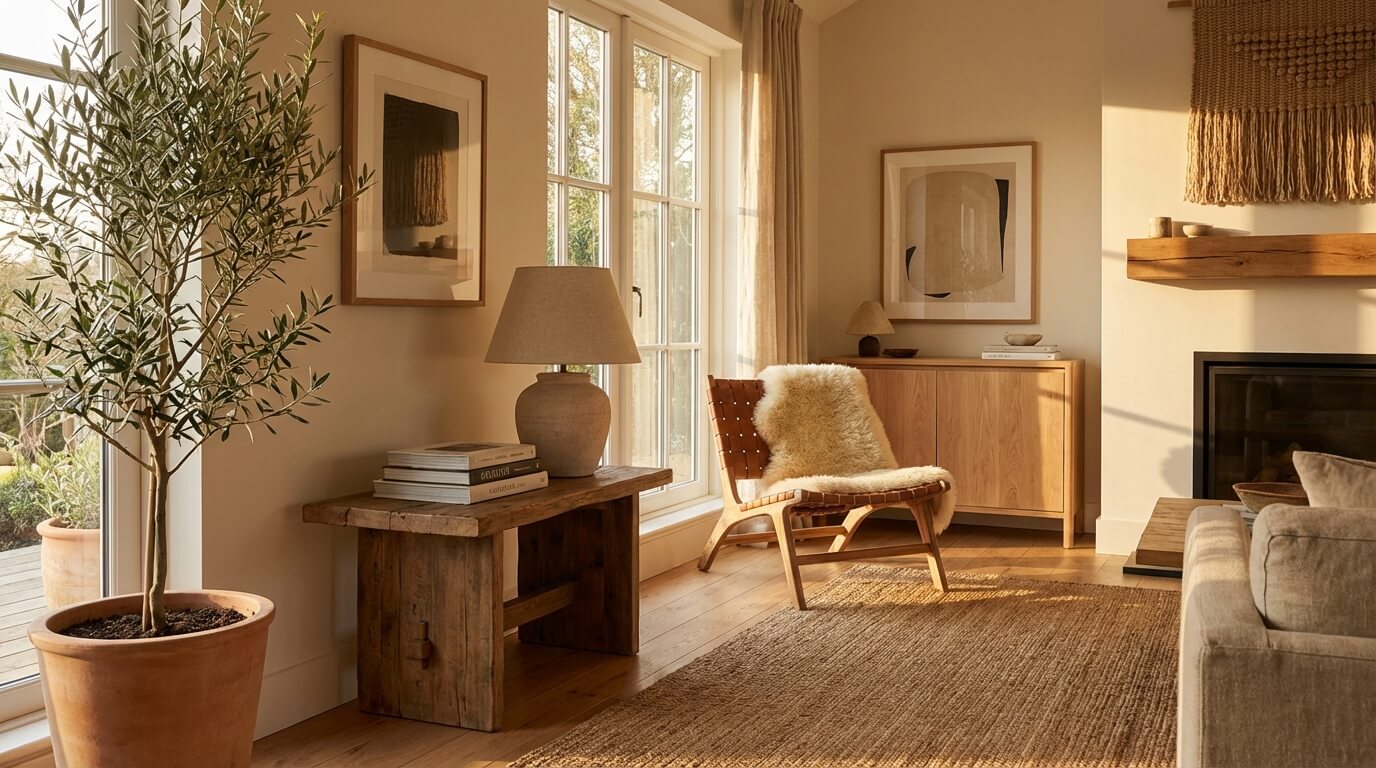
For kitchens with lower ceilings where pendants might feel overwhelming, consider the Moroccan Palm Leaf Lampshade in a flush or semi-flush mount configuration. You’ll still achieve that handcrafted character without sacrificing headroom.
Bringing It All Together
The most successful kitchen island styling follows a simple principle: choose fewer, better pieces and let each one breathe. A single stunning tagine, a carefully positioned trio of candle holders, one show-stopping pendant—these create far more impact than a cluttered collection of lesser objects.
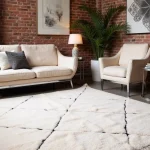
Start with one element that speaks to you. Perhaps it’s the organic texture of a rattan pendant, the rich patina of leather seating, or a handwoven Moroccan rug anchoring the kitchen dining zone. Restaurants and hospitality buyers sourcing at scale can explore our wholesale program for trade pricing. Build your island’s story from there, adding complementary pieces gradually rather than all at once. The result will feel collected and intentional—a kitchen island that invites people to gather, linger, and feel genuinely at home.
Remember, these artisan pieces aren’t just decorative objects. They’re connections to centuries-old traditions, to skilled hands working with natural materials, to a slower, more intentional way of making things. When you choose Moroccan craftsmanship for your kitchen island, you’re not just styling a space—you’re bringing soul into the heart of your home.