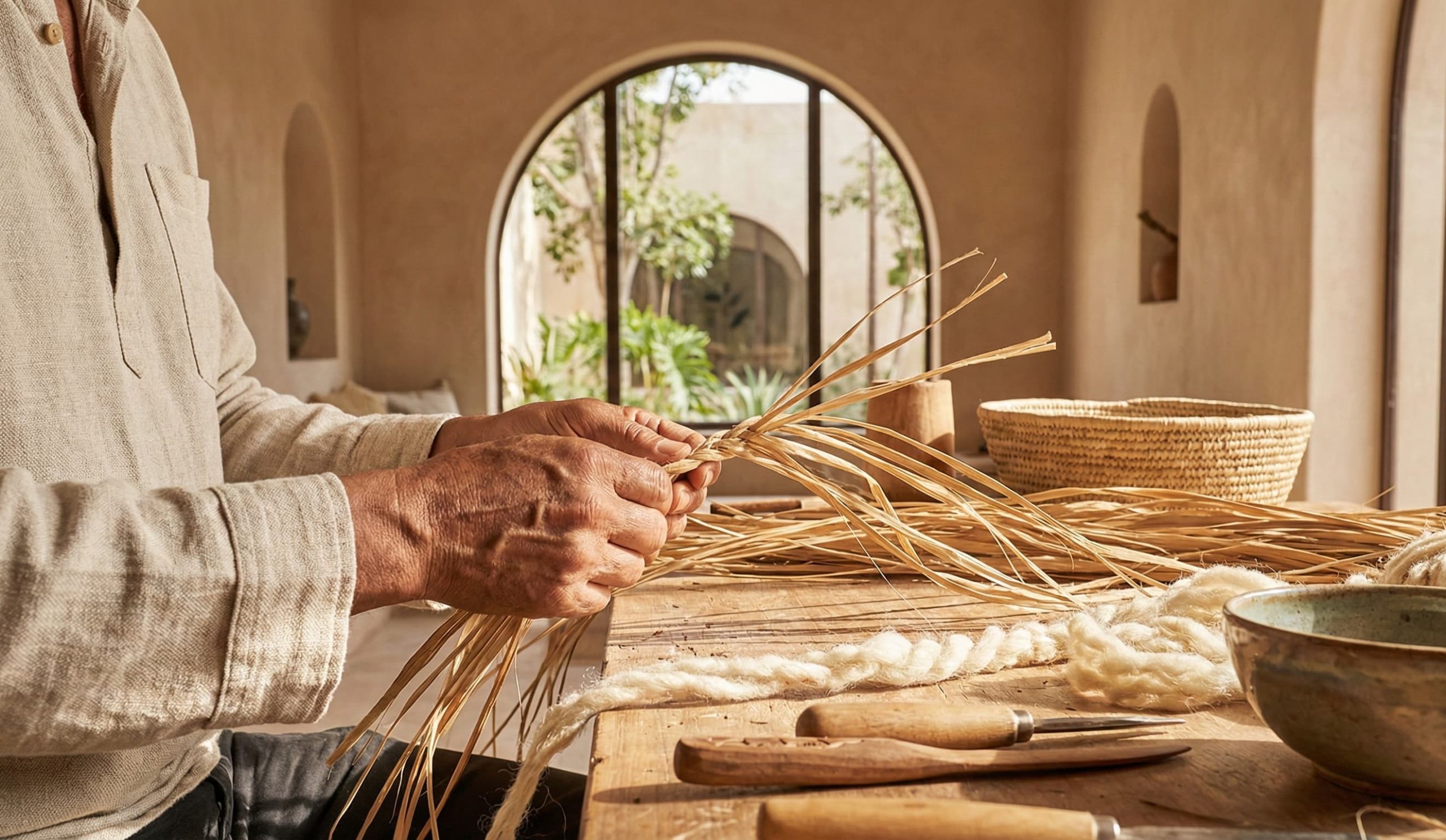
Handicrafts are more than just objects of utility; they are a testament to cultural identity and traditional craftsmanship. In a world increasingly driven by mass production, the unique appeal of handicrafts lies in their individuality and the story they tell. However, as we face global environmental challenges, it becomes imperative to integrate sustainable practices into every aspect of our lives, including the creation of handicrafts. This article explores how sustainability can be woven into the fabric of handicraft production, ensuring that these traditional arts can thrive in a modern world.
The Environmental Aspect
The production of handicrafts has a direct impact on the environment, from the sourcing of raw materials to the disposal of finished products. By choosing eco-friendly materials and adopting sustainable production methods, artisans can minimize their ecological footprint. Our straw poufs are woven from palm leaves by hand, and our Moroccan rugs use natural wool dyed with plant-based pigments — both zero-waste, zero-synthetic traditions. Case studies from around the world demonstrate how sustainable practices can lead to a healthier planet while still producing beautiful and functional art.
The Economic Dimension
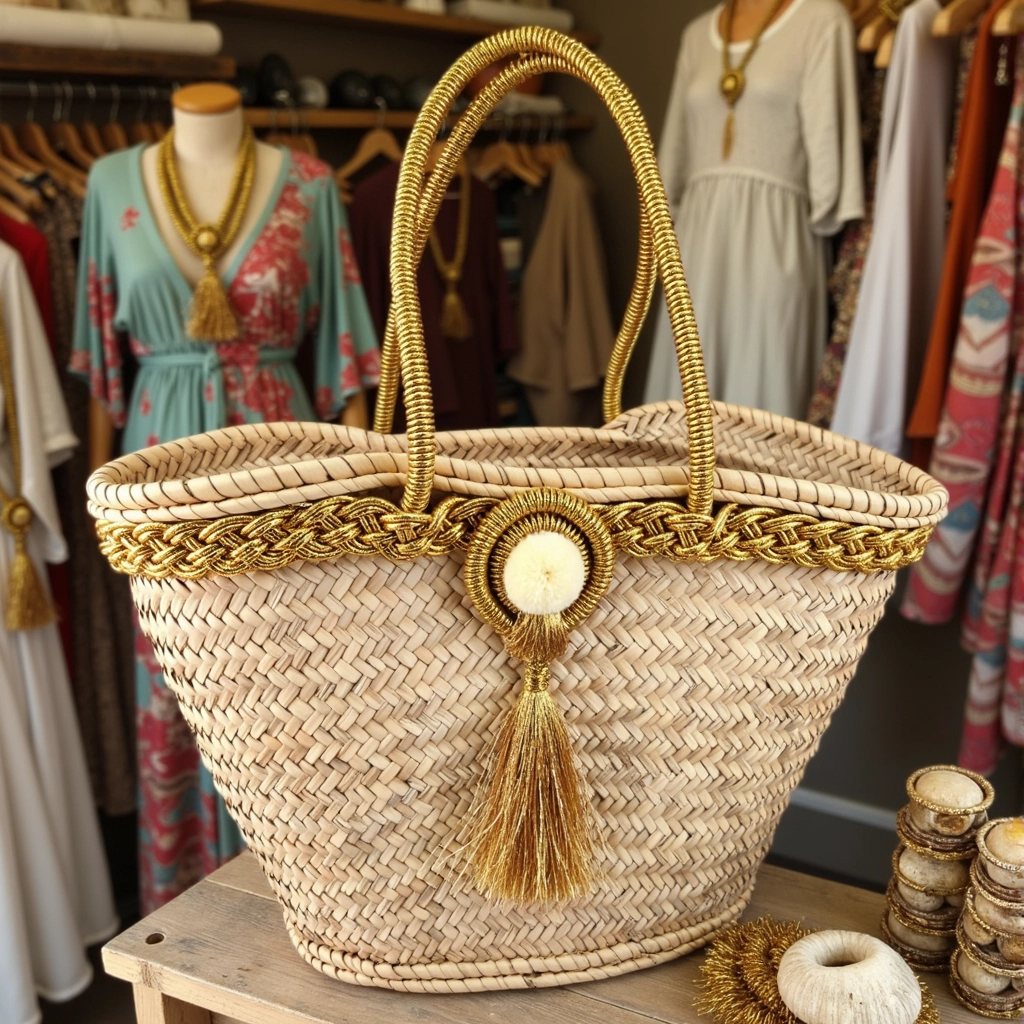
Sustainable handicrafts offer a viable economic opportunity for artisans. By tapping into the growing market for eco-conscious products — from handcrafted leather bags to handwoven straw bags — craftspeople can secure a stable income while promoting environmental stewardship. Our wholesale program helps retailers bring these pieces to a wider audience. Moreover, sustainable handicrafts can drive tourism and highlight the unique cultural heritage of a region, further bolstering local economies. This section will explore how sustainability can be a catalyst for economic growth in the handicraft sector.
Social Implications
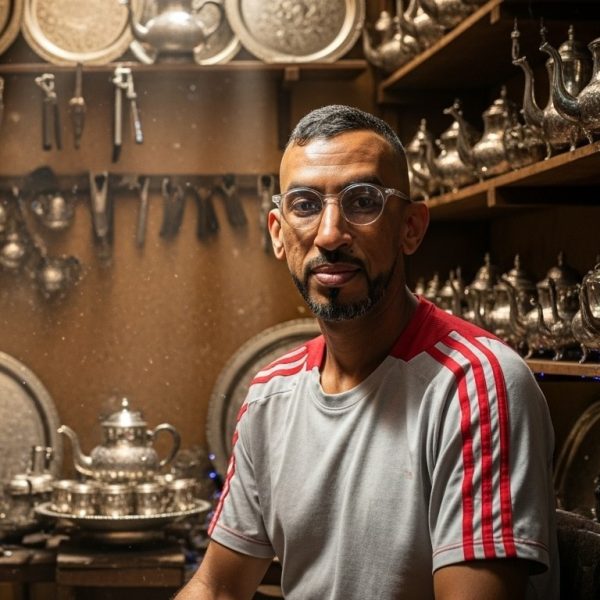
Sustainability in handicrafts also has profound social implications. It empowers communities by providing artisans with fair wages and safe working conditions. Furthermore, it ensures the preservation of traditional skills and knowledge that might otherwise be lost in the face of globalization — skills kept alive by craftspeople like Omar, our leather artisan, and Dounia, our straw weaver, who pass their techniques to the next generation. Meet the full artisan collective behind Marrakeche Crafts. The fair trade movement plays a crucial role in this regard, advocating for the rights of artisans and ensuring that the benefits of handicraft production are equitably distributed.
Challenges and Opportunities
Despite the clear benefits, the path to sustainability is fraught with challenges. Artisans may face barriers such as lack of access to sustainable materials, inadequate training, and market constraints. However, these challenges also present opportunities for innovation and adaptation. This section will discuss how the handicraft sector can overcome these hurdles and what the future holds for sustainable crafts, including the role of technology in enhancing traditional practices.
Conclusion
The fusion of sustainability and handicrafts offers a promising avenue for preserving cultural heritage while protecting the environment. It requires a collective effort from consumers, producers, and policymakers to ensure that these traditional arts can be passed down to future generations. As consumers, we have the power to support sustainable handicrafts through our purchasing choices, thereby contributing to a more sustainable and culturally rich world.