The Complete Guide to Moroccan Tea Ceremony: Tradition, Etiquette & Essential Tools


In Morocco, tea is far more than a beverage—it’s a ritual, a gesture of hospitality, and a thread woven through the fabric of daily life. The Moroccan tea ceremony, with its graceful pouring technique and sweet, minty flavor, represents centuries of tradition where every element, from the choice of vessel to the height of the pour, carries meaning. Whether you’re captivated by Moroccan culture or simply want to elevate your tea-drinking experience, understanding this beautiful ceremony opens a window into a world where slowing down and savoring the moment is an art form.
Quick Answer: What is the Moroccan Tea Ceremony?
The Moroccan tea ceremony — called atay in Darija — is a daily ritual of hospitality in which gunpowder green tea is brewed with fresh spearmint and sugar, then poured from a height into small decorated glasses to create a layer of foam called rghwa. Tea is served three times from the same pot, with each round growing progressively stronger. The ceremony typically lasts 30 minutes to one hour and is considered a fundamental expression of welcome, respect, and generosity in Moroccan culture.
The Soul of Moroccan Hospitality
Walk into any Moroccan home, shop, or even a business meeting, and you’ll likely be greeted with the same warm phrase: “Would you like some tea?” This isn’t a casual offer—it’s a fundamental expression of welcome and respect. Refusing tea, especially on a first offer, can be considered impolite, as it symbolically rejects the host’s hospitality.
The ceremony itself transforms a simple drink into a social experience. Preparing and serving Moroccan mint tea—known locally as “atay” or “whiskey berbère”—is traditionally the domain of the head of the household, often the eldest male, though this varies by region and family. The preparation is performed with deliberate care, almost like a performance, where guests can appreciate the skill and attention invested in their comfort.
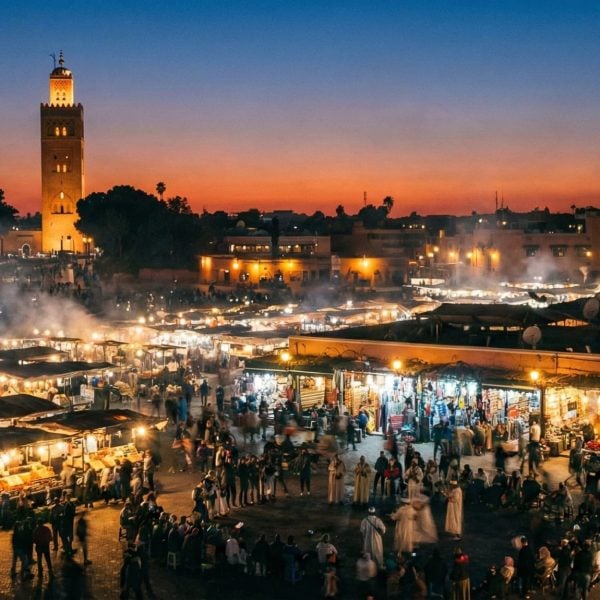
This ritual creates space for conversation, negotiation, and connection. At home, set the scene with floor cushions or a leather pouf and a Moroccan brass lamp overhead — the warm, patterned light mirrors the ambience of a traditional Moroccan sitting room. In the souks of Marrakech, shopkeepers will insist you sit and share tea before discussing business. In homes, the tea ceremony marks the transition from the outside world to the intimate space of family and friendship. Time seems to slow, and the act of pouring, sipping, and refilling becomes a meditation on presence and generosity.
The Four Principles Behind Every Cup
In Arab-Islamic culture, hospitality is not merely a gesture — it is a duty owed first to God and then to the guest. The Moroccan tea ceremony is built on four foundational principles that give each step of the ritual its deeper meaning:
Marhaba (مرحبا) — Welcome. The moment tea is offered, the host signals that the guest is safe, seen, and valued. The offer itself is the welcome; the tea that follows is its physical expression.
Salam (سلام) — Peace. The shared act of sitting, slowing down, and drinking together creates a space of calm and mutual respect. In the souks of Marrakech, no negotiation begins without first establishing salam through tea.
Baraka (بركة) — Blessing. Preparing tea with care and skill is considered an act of baraka — a blessing extended from host to guest. A perfectly poured glass with a crown of rghwa foam is the visible sign of this blessing being given.
Alhamdulillah (الحمد لله) — Gratitude. The ceremony closes with gratitude — guests thank the host, the host thanks the guests for honoring his home. Before drinking, it is traditional to say Bismillah (“In the name of God”), and when finished, Alhamdulillah — “Thanks be to God.” These words are not formalities; they are the spiritual architecture of the ritual.
The History Behind the Brew
Moroccan tea culture has a surprisingly recent history compared to other tea-drinking nations. Tea arrived in Morocco in the mid-19th century, likely introduced by British merchants seeking new markets during the Crimean War when their usual trade routes were disrupted. The Moroccans, already cultivating abundant fresh mint and possessing a taste for sweet flavors, quickly adapted the imported Chinese gunpowder green tea into something uniquely their own.
The drink spread rapidly across North Africa, becoming so integral to Moroccan identity that it’s hard to imagine the culture without it. The addition of fresh spearmint—nana mint, specifically—and generous amounts of sugar created a flavor profile distinct from any other tea tradition. Some regions add other herbs like verbena, sage, or wormwood, but the classic combination of gunpowder green tea, fresh mint, and sugar remains the standard.
Interestingly, the ceremony’s elaborate pouring technique likely evolved from practical necessity. Pouring from a height aerates the tea, slightly cooling it and creating the prized foam on top—a sign of a well-made tea. This foam, called “the crown,” is considered essential, and a tea without it is seen as poorly prepared.
The Essential Elements: What You Need
Creating an authentic Moroccan tea ceremony requires specific tools, each designed for its particular role in the ritual.
The Teapot: Heart of the Ceremony
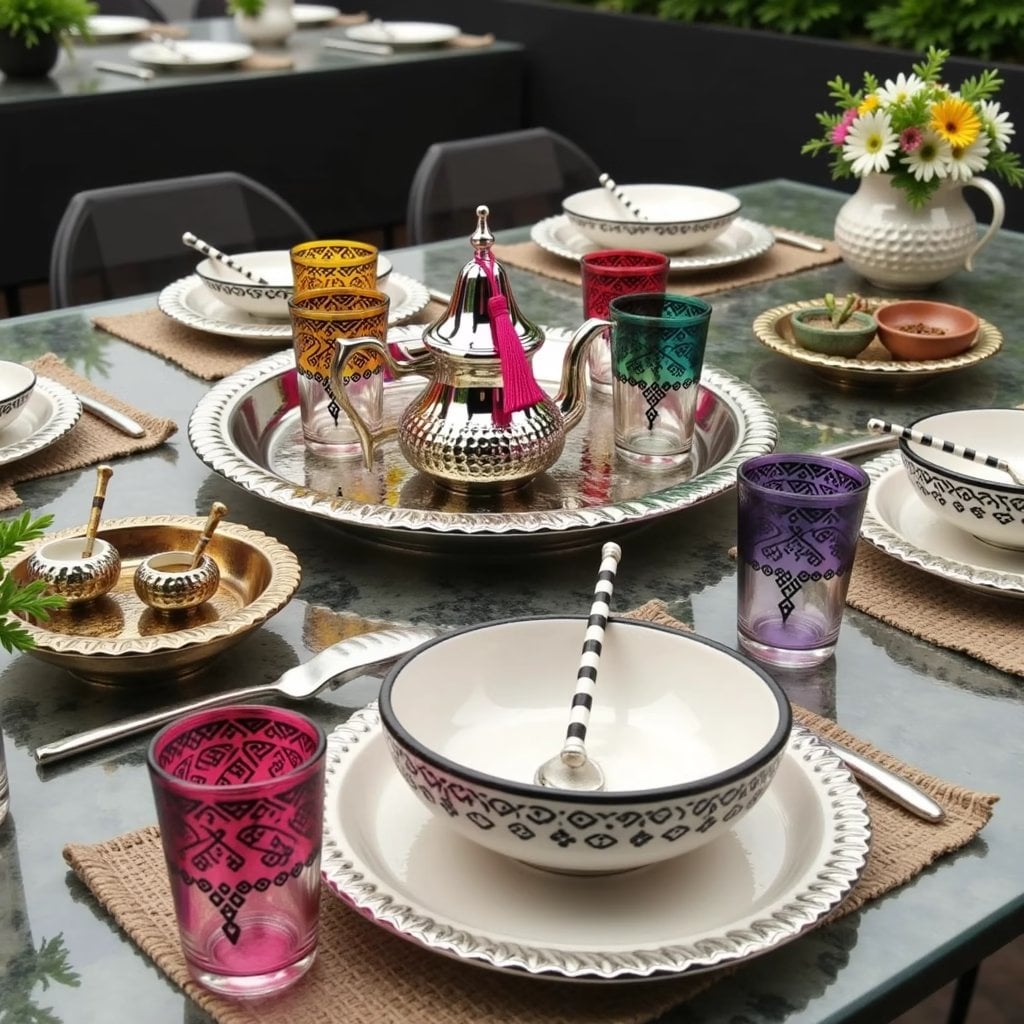
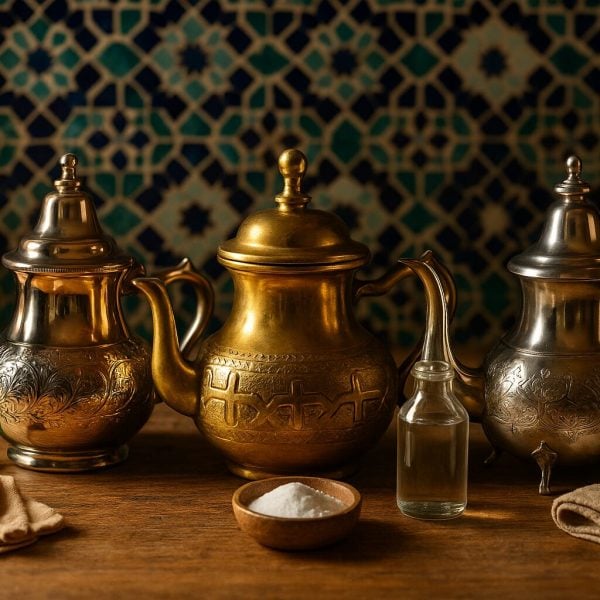
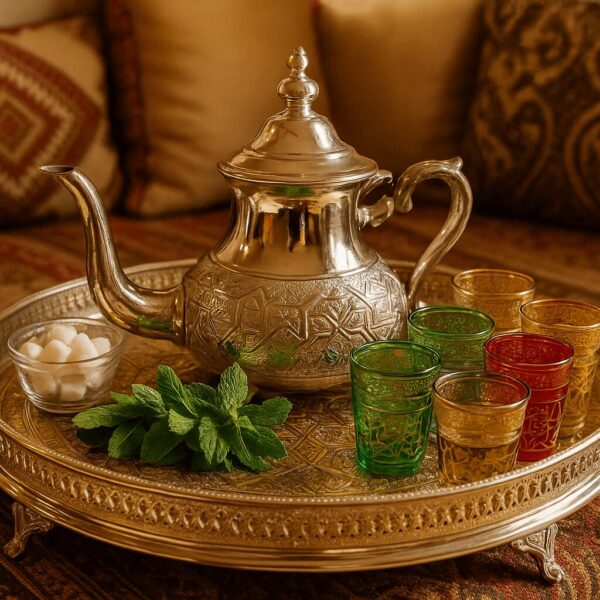
The traditional Moroccan teapot is a work of functional art. Crafted from stainless steel or brass, these pots feature a distinctive bulbous body, a long curved spout, and an ornate lid with a decorative finial. The design isn’t merely aesthetic—the rounded body allows tea leaves and mint to circulate freely, while the long spout enables the dramatic high pour that defines the ceremony.
Authentic Moroccan teapots often feature intricate engravings, hammered patterns, or inlaid designs that reflect the metalworking traditions of cities like Fez and Marrakech. The size varies, but most hold between four to six glasses, perfect for family gatherings or welcoming guests.
Tea Glasses: Small but Significant
Moroccan tea glasses are instantly recognizable—small, often decorated with gold or colorful patterns, and designed to showcase the tea’s amber color and foamy crown. Their diminutive size (typically holding just 2-3 ounces) serves multiple purposes: the tea stays hot, guests can enjoy multiple servings without overindulging, and the small portions encourage the social aspect of refilling and continuing conversation.
The glasses are usually heat-resistant and may feature ornate metalwork holders that protect hands from the hot glass while adding decorative flair. A complete set typically includes six glasses, reflecting the communal nature of tea service.
The Serving Tray: Presentation Matters
No Moroccan tea service is complete without a beautiful serving tray. These trays, traditionally made from brass, copper, or silver-plated metal, feature elaborate engravings and patterns. The tray serves both practical and ceremonial purposes—it organizes all the elements of the tea service and elevates the presentation into something special.
Moroccan serving trays often feature intricate geometric or floral patterns that reflect Islamic artistic traditions, where calligraphy and abstract designs take precedence over representational art. The tray becomes a stage for the tea ceremony, framing the ritual in beauty.
The Ingredients: Quality Matters
The tea itself requires three essential components:
Gunpowder green tea: This Chinese green tea gets its name from the tightly rolled leaves that resemble gunpowder pellets. When steeped, these leaves unfurl and release a slightly smoky, robust flavor that stands up to the mint and sugar. Moroccans prefer high-quality gunpowder tea, as inferior varieties can taste bitter.
Fresh mint: Authentic Moroccan tea demands fresh spearmint, preferably the nana variety grown throughout North Africa. The mint should be vibrant, aromatic, and used generously—a proper pot might contain an entire bunch. Dried mint simply cannot replicate the bright, cooling flavor of fresh leaves.
Sugar: Moroccan tea is famously sweet, with some preparations using a 1:1 ratio of tea to sugar. While this might seem excessive to Western palates, the sweetness balances the tea’s bitterness and the mint’s intensity. The amount can be adjusted to taste, but traditional Moroccan tea is decidedly not a low-sugar affair.
Traditionally, Moroccans don’t use granulated sugar — they use the qaleb sukkar, a cone-shaped block of pressed sugar weighing around 2.5 kg, wrapped in distinctive blue paper. The sugar cone is a cultural symbol in its own right: given as a gift at weddings, brought to condolence visits, and used to mark reconciliation between families. Chunks are broken off with a small hammer and added directly to the pot or offered separately so guests can adjust sweetness to taste. Spotting a blue-wrapped sugar cone on the tray is a hallmark of a truly traditional Moroccan tea service.
The Art of Preparation: Step by Step
Making authentic Moroccan mint tea is a precise process that, once mastered, becomes second nature.
Step 1: Rinse the Tea
Place 1-2 tablespoons of gunpowder green tea in your teapot. Add a small amount of boiling water, swirl gently, and immediately pour it out. This rinses away any dust and slightly softens the leaves, reducing bitterness. Some tea masters perform this rinse twice.
Step 2: Add the Mint and Sugar
Add a large bunch of fresh mint to the pot—don’t be shy; the mint should nearly fill the vessel. Add sugar to taste; traditionally, this means quite a lot, anywhere from 3-5 tablespoons or more, depending on the pot’s size and personal preference.
Step 3: The First Steep
Pour boiling water over the tea, mint, and sugar, filling the pot. Let it steep for 2-3 minutes. The timing is crucial—too short and the flavors won’t develop; too long and the tea becomes bitter.
Step 4: The Taste Test
Pour a small amount into a glass and taste. This isn’t just for quality control; it also begins mixing the sugar, which settles at the bottom. If satisfied, pour the tea back into the pot. If it needs adjustment, add more sugar or mint and steep a bit longer.
Step 5: The Ceremonial Pour
Here’s where the magic happens. Hold the teapot high — at least 12 inches (30 cm) above the glasses — and pour in a steady, confident stream. The height aerates the tea, introduces oxygen that softens the bitter edge of the gunpowder green tea, and creates the essential crown of foam called rghwa. A tea served without rghwa is considered poorly prepared in Moroccan culture.
But the height carries social meaning beyond foam. In Moroccan tradition, the higher you pour, the greater the respect you show your guest. Pouring low signals indifference; pouring high — sometimes dramatically so, with the teapot raised above the head — is a visible declaration of honor. It is why Moroccan tea masters practice this motion for years: it is a performance of generosity as much as a technique of preparation.
Pour a small amount into each glass first, then return to the first glass and fill. This ensures each guest receives tea of equal strength and sweetness. In some traditions, the server will pour the tea into a glass, then return it to the pot, and repeat this two or three times before serving — each cycle deepening the blend and multiplying the foam. A teapot with a long elongated spout makes this precision possible; it is not merely decorative.
Step 6: Serve with Grace
Present the tea on your serving tray, offering it to the eldest or most honored guest first. The tea should be sipped slowly, savored, and enjoyed over conversation. Traditionally, three glasses are served—there’s a Moroccan saying: “The first glass is as gentle as life, the second is as strong as love, the third is as bitter as death.”
Regional Variations and Personal Touches
While the classic mint tea recipe is beloved throughout Morocco, regional variations add delightful diversity.
In the Saharan regions, tea is often stronger and sweeter, sometimes prepared over charcoal for a subtle smoky note. The Berber communities in the Atlas Mountains might add wild herbs like verbena (louisa) or sage, creating more complex flavor profiles.
Some families add orange blossom water for a floral note, while others include pine nuts or almonds as an accompaniment. In summer, extra mint creates a more refreshing drink, while winter preparations might include warming spices like cinnamon or ginger.
The sugar content also varies by region and occasion. While southern Morocco tends toward sweeter preparations, some northern areas use slightly less sugar. Special occasions might call for even more elaborate presentations, with multiple types of cookies, dates, and nuts served alongside.
How Long Does a Moroccan Tea Ceremony Last?
A traditional Moroccan tea ceremony lasts between 30 minutes and one hour, depending on the number of guests, the occasion, and how many rounds of tea are brewed. This is by design — atay is not meant to be rushed. The unhurried pace is itself a gesture of hospitality: a host who prepares tea slowly is signaling that you are worth their time.
For everyday family tea — mid-morning, after lunch, or in the late afternoon — the process is quicker and more informal. For welcoming honored guests, the ceremony expands: the host may brew two or three full pots, prepare the tray with greater care, and serve an elaborate spread of traditional accompaniments.
These accompaniments are as much a part of the ceremony as the tea itself. Common offerings include ghriba (crumbly almond or sesame cookies), briouats (flaky pastry parcels filled with almond paste), sellou (a dense, nutty flour-based sweet eaten by the handful), dates, and dried figs. In the Atlas Mountain regions, argan oil with honey and amlou — a paste of roasted almonds, argan oil, and honey — is set alongside the glasses. You’ll find several of these traditional accompaniments, including amlou and Moroccan almond cookies, available in our collection — an easy way to complete the ceremony at home.
The Etiquette: How to Be a Gracious Guest
Understanding the social customs surrounding Moroccan tea enhances the experience and shows respect for the tradition.
Accept the first glass: Declining tea, especially initially, can offend your host. Even if you’re not thirsty, accept at least one glass.
Use your right hand: In Moroccan culture, the right hand is used for eating and drinking, while the left is considered unclean. Always accept and hold your glass with your right hand.
Sip slowly: Moroccan tea is meant to be savored, not gulped. Take small sips, enjoy the flavor, and engage in conversation between drinks.
Expect multiple rounds: The ceremony typically involves at least three glasses. Each round is slightly different as the tea continues to steep, with the first being the lightest and the third the strongest.
Compliment the tea: Praising the tea and thanking your host is not only polite but expected. Comments on the perfect sweetness, the foam, or the mint’s freshness are always appreciated.
Know when it’s over: When your host stops refilling glasses or begins clearing the tea service, the ceremony has concluded. This signals a natural end to the visit, though in homes, it might simply mean transitioning to another activity.
The Health Benefits: More Than Just Delicious
Beyond its cultural significance, Moroccan mint tea offers genuine health benefits that have contributed to its enduring popularity.
Green tea is rich in antioxidants, particularly catechins, which support heart health, may reduce cancer risk, and promote healthy aging. The polyphenols in green tea also support brain function and may improve focus and concentration.
Fresh mint aids digestion, which is why tea is often served after meals. It can soothe upset stomachs, reduce bloating, and ease indigestion. Mint also has natural antimicrobial properties and provides a cooling sensation that’s especially welcome in hot climates.
The ritual itself offers mental health benefits. The ceremony’s deliberate pace encourages mindfulness and stress reduction. Taking time to prepare and share tea creates moments of calm in busy days, fostering connection and presence.
Of course, the high sugar content means moderation is wise, and those sensitive to caffeine should be mindful of the green tea’s stimulating effects. But enjoyed as part of a balanced lifestyle, Moroccan mint tea is both a pleasure and a tonic.
Bringing the Ceremony Home
You don’t need to be in Marrakech to experience the magic of Moroccan tea ceremony. With the right tools and ingredients, you can create this ritual in your own home, transforming an ordinary afternoon into something special.
Start by sourcing quality ingredients—good gunpowder green tea and fresh spearmint are non-negotiable. Visit Middle Eastern or specialty tea shops, or order online from reputable suppliers.
Invest in authentic serving pieces. While you can technically make the tea in any pot, using a traditional Moroccan teapot, proper tea glasses, and a beautiful serving tray elevates the experience from merely drinking tea to participating in a centuries-old tradition.
Create the right atmosphere. Moroccan tea ceremony thrives in unhurried settings. Turn off distractions, invite friends or family, and allow the ritual to unfold at its own pace. Consider adding Moroccan music, lighting candles, or serving traditional accompaniments like almond cookies, dates, or honey-soaked pastries.
Practice the pour. The high pouring technique takes confidence and practice. Start lower and gradually increase the height as you become more comfortable. Don’t worry about spills—they’re part of the learning process.
Most importantly, embrace the spirit of hospitality that defines the ceremony. Moroccan tea is about generosity, connection, and creating space for others. When you prepare tea with care and serve it with warmth, you’re participating in a tradition that transcends borders and brings people together.
The Vessels That Make It Possible
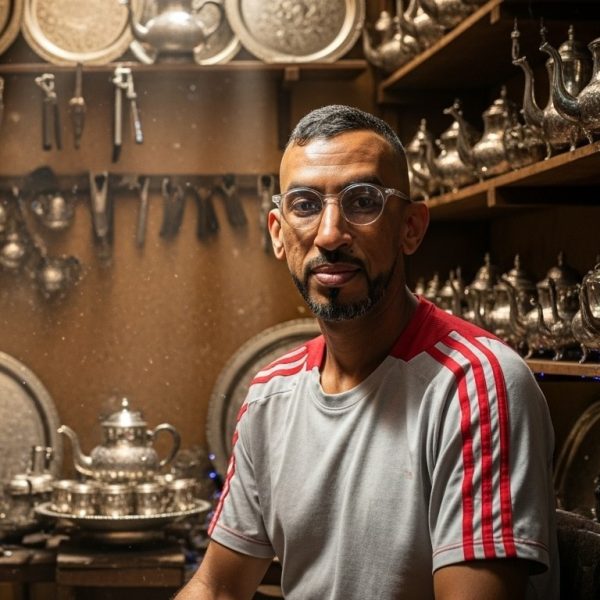
The beauty of Moroccan tea ceremony lies not just in the ritual but in the handcrafted tools that make it possible. Moroccan teapots, with their elegant curves and intricate metalwork, are functional sculptures that honor the artisans who’ve perfected their craft over generations. Each hammered detail and engraved pattern tells a story of skill passed down through families in the medinas of Morocco’s ancient cities.
our Moroccan tea glasses — handblown by Younes, our master glassblower, whether adorned with gold filigree or featuring vibrant colored patterns, transform each serving into a visual delight. The way light catches the amber tea through decorated glass, the foam crowning the surface—these small vessels turn a simple drink into a feast for the eyes.
And the serving trays, often the centerpiece of Moroccan hospitality, do more than carry tea. These brass and copper masterpieces, etched with geometric precision or flowing floral motifs, create a stage for the ceremony. They gather family and friends around a shared experience, their polished surfaces reflecting candlelight and conversation.
Together, these elements—the pot, the glasses, the tray—form more than a tea service. They’re an invitation to slow down, to honor tradition, and to create moments of connection in a world that too often rushes past them. When you invest in authentic Moroccan tea accessories, you’re not just buying kitchenware; you’re bringing home a piece of a culture that understands the profound importance of taking time to welcome others with grace, warmth, and a perfectly poured glass of mint tea.
Moroccan Tea Ceremony Questions Answered
The Moroccan tea ceremony (called atay in Darija, the Moroccan Arabic dialect) is a deeply rooted social ritual of hospitality where mint tea is brewed, poured, and served with deliberate care for guests. It’s not merely tea service — it’s an expression of welcome, friendship, and generosity. The ceremony involves preparing three successive rounds of tea from the same leaves, each brew becoming progressively stronger. A traditional Moroccan saying describes it: “The first glass is as gentle as life, the second as strong as love, the third as bitter as death.”
Authentic Moroccan mint tea uses Chinese gunpowder green tea (named for its small, rolled pellet shape that resembles gunpowder) steeped with abundant fresh spearmint — the Moroccan variety called nana — and sweetened generously with sugar. The gunpowder tea provides a robust base that holds its character through multiple brews. Fresh mint is considered essential; dried mint is not traditional. The tea is brewed directly in the teapot on low heat, never steeped cold. Find the complete recipe in our Moroccan Mint Tea Guide.
The high-pour technique — lifting the teapot 30-40cm (12-16 inches) above the glass before pouring — is one of the most visually distinctive elements of the Moroccan tea ceremony. It serves two practical purposes: it aerates the tea (introducing oxygen that softens the bitter edge of the gunpowder green tea) and creates a layer of froth on the surface called rghwa, which Moroccans consider the mark of properly prepared tea. Achieving rghwa requires practice and a good teapot with an elongated spout — it’s a skill young Moroccans learn from elders.
Tea is traditionally served three times from the same pot, with the teapot refilled with boiling water for each round. The first pour is the mildest and most delicate as the leaves first open. The second pour is richer and considered the most balanced — often the host’s favorite to offer. The third is the most concentrated, with maximum mint and tea intensity. Declining any of the three rounds is considered impolite in traditional Moroccan culture. Accepting all three is a gesture of appreciation and respect for the host’s hospitality.
The essentials for a proper Moroccan tea ceremony are a silver-plated brass teapot (barrad) with elongated spout, six small traditional tea glasses (about 80ml each), a decorative serving tray to hold glasses and teapot, fresh spearmint, Chinese gunpowder green tea, sugar, and a heat source. A complete Moroccan tea set from Marrakeche includes the teapot, glasses, and tray in matching design. Optional but traditional: a sugar bowl, tea canister, and a decorative cloth to hold the hot teapot handle during pouring.
Not at all — the Moroccan tea ceremony is a daily ritual in most Moroccan homes, not reserved for special occasions. Tea is prepared multiple times throughout the day: mid-morning, after lunch, in the late afternoon, and for any visiting guest at any time. Refusing to prepare tea for a guest is considered inhospitable regardless of circumstance. While elaborate ceremonial versions with full matching sets and serving trays are reserved for important gatherings or welcoming honored guests, the core ritual of carefully preparing and sharing mint tea is an everyday expression of Moroccan home culture.
To host authentically: prepare your space with a low table, cushions or floor seating if possible, and your tea set arranged on a tray. Brew the tea in the kitchen (never at the table — preparation happens out of sight in traditional practice). Bring the tray to your guests with all glasses already on the tray alongside the teapot. Pour each glass individually, using the high-pour technique to create rghwa froth. Serve the host’s glass last. Offer sugar separately so guests control sweetness. Most importantly: brew slowly, pour carefully, and be fully present — atay is about connection, not efficiency. Explore our complete Moroccan tea sets — each silver-plated teapot hand-engraved by Kamal, our master craftsman in Marrakech — to equip your ceremony properly.