Christmas delivery to the US: order in-stock items by November 24 for free shipping, or by December 9 with DHL Express. Tea set gift boxes ship free by DHL Express. See all dates
In-stock items for Christmas: order by Nov 24 (free US) or Dec 9 (DHL, free on gift boxes). All dates
Free worldwide shipping on all orders! US orders: duties paid by us
Free shipping on all orders! US orders: duties paid by us
Quick Answer: How to Clean a Moroccan Teapot in 5 Minutes
Rinse with hot water immediately after use to prevent tannin buildup
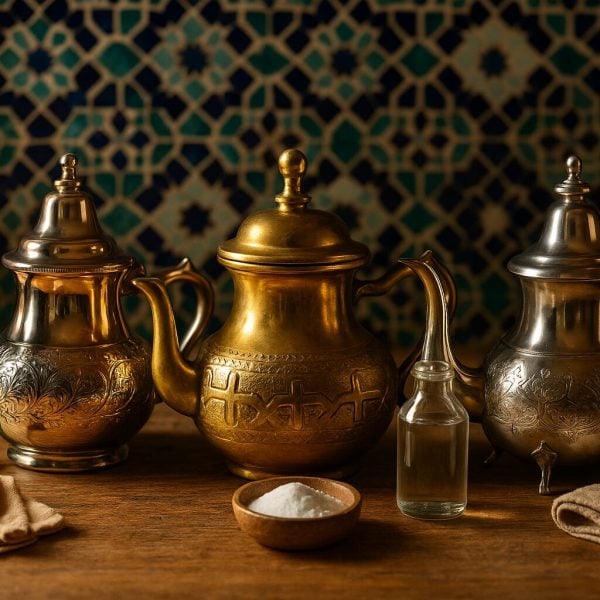
Fill with warm water + 2 tablespoons baking soda, soak 30 minutes for interior stains
Scrub exterior gently with soft cloth and mild dish soap — never abrasive sponges
Clean the spout with a flexible bottle brush or pipe cleaner to remove residue
Dry completely with a soft towel, then air-dry inverted for 15 minutes
Never: Dishwasher, bleach, steel wool, or harsh chemical cleaners.
Frequency: Rinse daily, deep clean weekly, polish monthly.
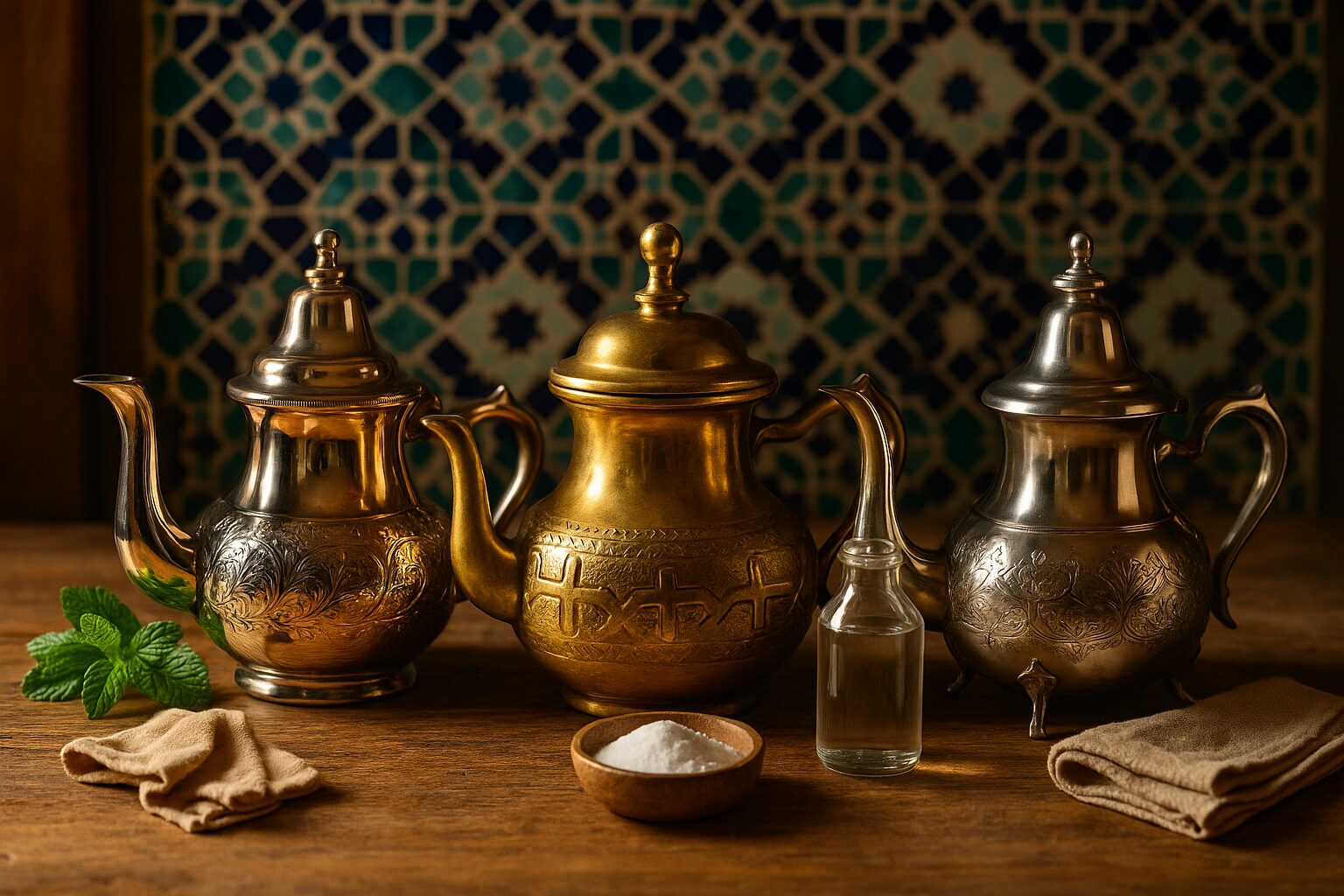
Whether you’ve received a beautiful Moroccan teapot as a gift or you’re caring for one you’ve treasured for years, maintaining its pristine condition is essential for both preserving its cultural significance and ensuring every cup of tea tastes perfect. This comprehensive guide covers how to clean teapots made from silver, brass, and stainless steel using 2026’s most effective and culturally-respectful methods.
💡 Gift Care Essential: If you’ve gifted someone a Moroccan teapot or received one yourself, proper cleaning ensures this treasured piece remains a centerpiece for generations of tea ceremonies.
Table of Contents
Why Cleaning Your Moroccan Teapot Matters
In Moroccan culture, the teapot (barrad in Arabic) isn’t just a vessel—it’s the heart of hospitality. Regular cleaning prevents tannin buildup that can alter the delicate flavor of authentic Moroccan mint tea and maintains the teapot’s ceremonial beauty for special occasions and daily rituals alike.
For exterior: Use the same solution with lint-free cloth
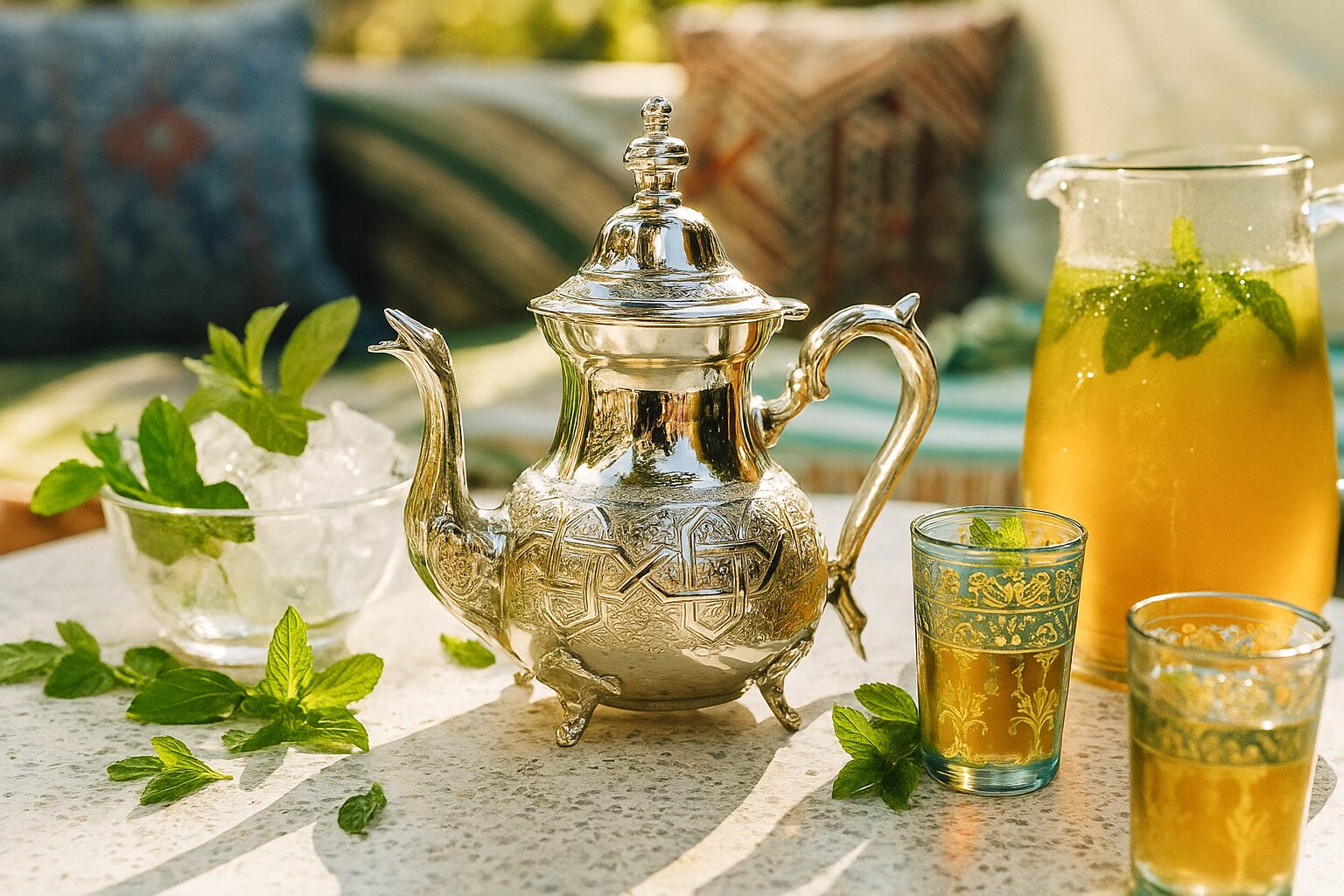
Perfect for summer entertaining when serving refreshing mint tea to guests
🌊 Mastering Teapot Spout Cleaning
The elongated curved spout of a Moroccan teapot isn’t decorative — it’s functional in a very specific way. It enables the traditional high-pour technique where tea is poured from 30-40cm above the glass, aerating it mid-air to create a frothy surface layer Moroccans call rghwa. Achieving perfect rghwa requires an unobstructed spout with clean internal walls. Tea residue and mineral deposits accumulate in this narrow channel with every single brew, eventually affecting both flow precision and flavor.
For regular maintenance (weekly):
Pour boiling water through the spout repeatedly — fill the pot, then pour it all out through the spout rather than the lid opening. This alone clears loose residue before it hardens. Follow with a flexible bottle brush or doubled-over pipe cleaner fed in from the exterior spout tip, working it gently back and forth toward the interior. Rinse 2-3 times.
For stubborn blockages or mineral buildup:
Drop one denture cleaning tablet into the filled teapot with warm water and leave overnight. The effervescent cleaning action dissolves mineral deposits, tannin buildup, and any organic residue deep in the spout channel without requiring scrubbing — and it’s completely safe for silver-plated brass, pure brass, and stainless steel alike. Rinse thoroughly 3-4 times the following morning before use.
Signs your spout needs attention:
Tea flow has slowed or become uneven during pouring
The high-pour stream splashes rather than flowing in a clean arc
You notice an off-taste in freshly brewed tea despite a clean interior
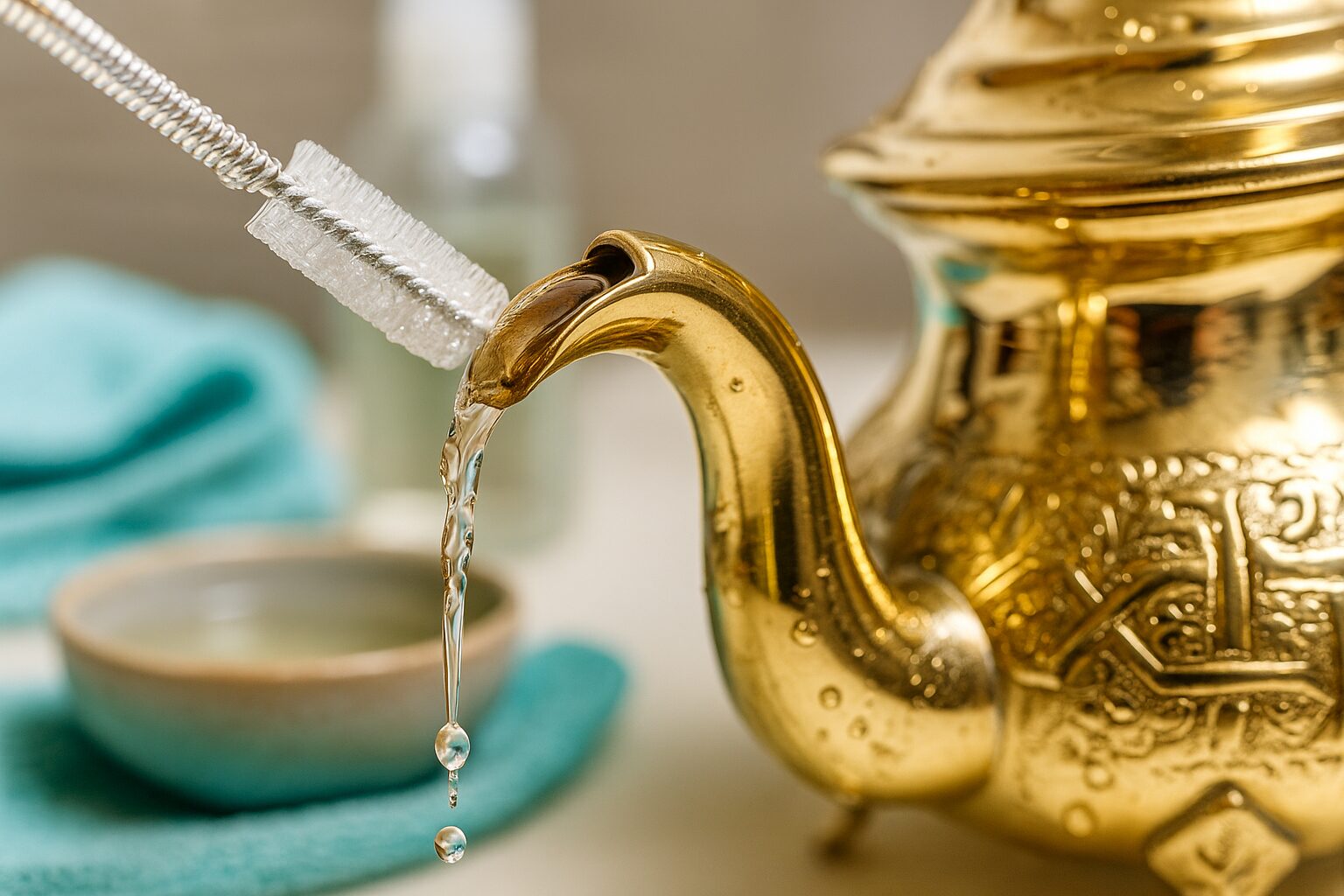
Detailed cleaning of Moroccan teapot spout using flexible brush and vinegar solution
☕ Removing Tannin Stains for Perfect Tea Taste
For authentic Moroccan mint tea flavor, tannin removal is crucial.
Enhanced Method
Boiling water + 2 tablespoons baking soda
Add fresh mint leaves for natural deodorizing
Let sit 3-4 hours
Scrub gently and rinse thoroughly
Summer Bonus: This method is perfect before switching to iced tea preparations
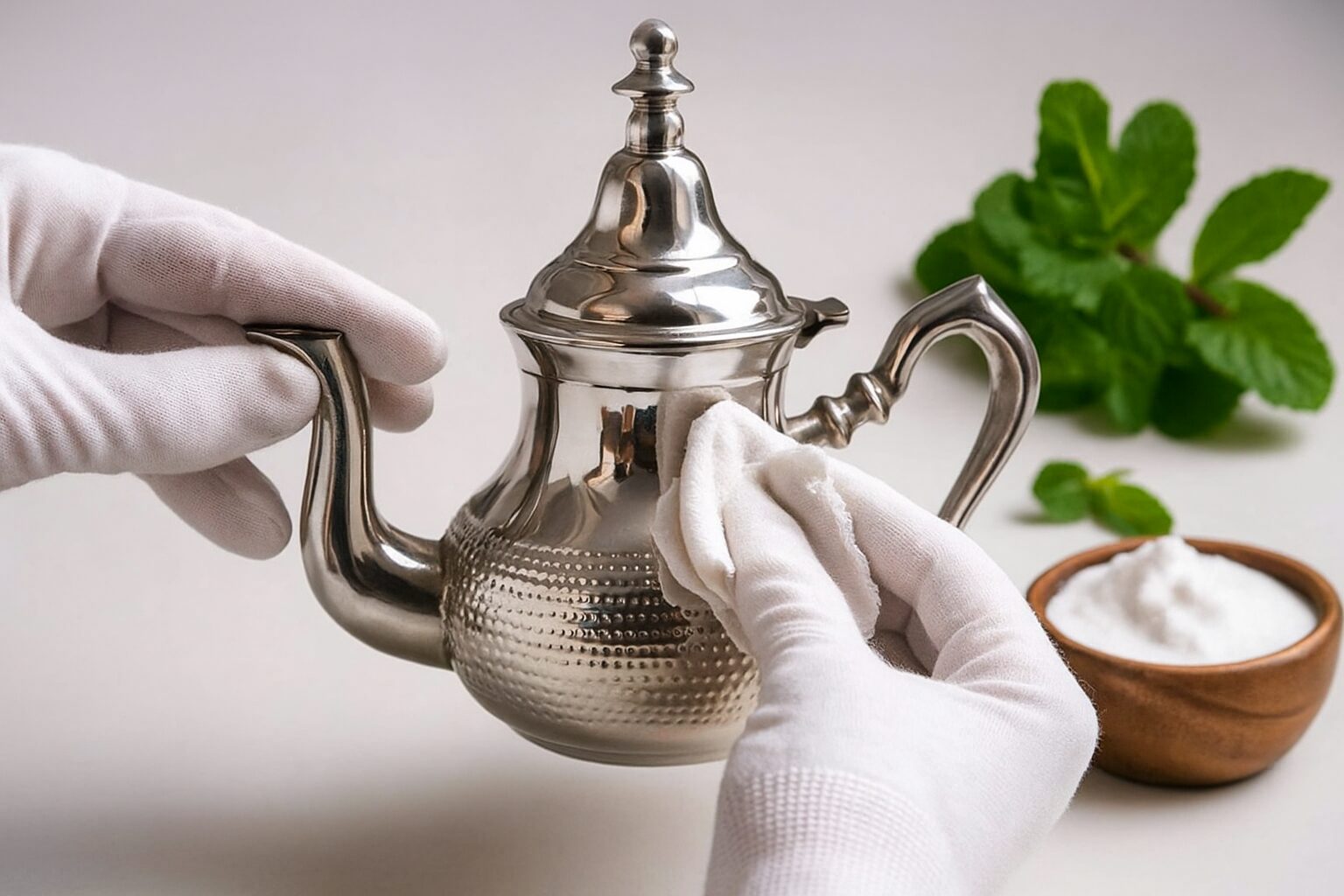
Clean stainless steel Moroccan teapot ready for refreshing summer mint tea service
Thorough drying is as important as the cleaning itself. Water trapped inside a sealed teapot — especially a brass one — creates conditions for mold growth and dramatically accelerates tarnishing on the interior walls.
After every wash:
Pat the exterior dry immediately with a soft microfiber cloth
Place the teapot inverted or on its side on a clean dry towel to allow interior drainage for at least 15 minutes
Leave the lid slightly ajar during storage — never store sealed — to allow air circulation inside
For the spout, give one final firm blow through the opening to expel any trapped water droplets
For storage between uses:
Store silver-plated teapots in an anti-tarnish bag or wrapped in acid-free tissue paper to dramatically slow tarnishing (especially effective if the teapot is used occasionally rather than daily)
Keep away from direct sunlight and humidity sources — a closed kitchen cabinet away from the stove is ideal
Never store near onions, rubber bands, or wool — all emit sulfur compounds that accelerate silver tarnishing faster than air exposure alone
A useful rule borrowed from Moroccan silversmiths: a teapot used daily tarnishes slower than one stored for months. Regular use means regular handling, and the natural oils from hands actually help maintain the surface. If you’re storing a teapot long-term, a light buff with a silver polishing cloth before storage preserves it significantly better than leaving it bare in a cupboard.
🎁 Gift Care Guide: Special Occasions & Storage
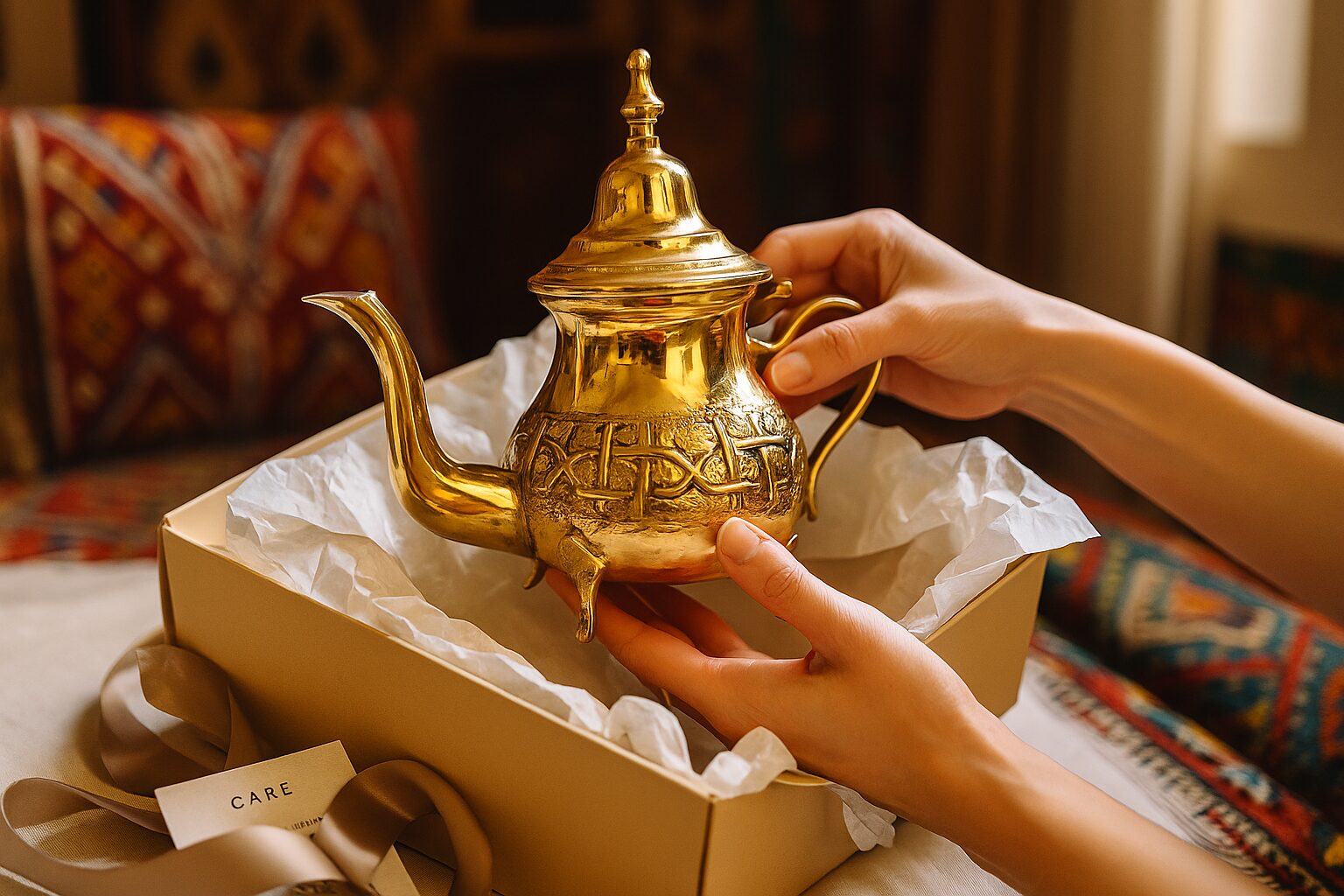
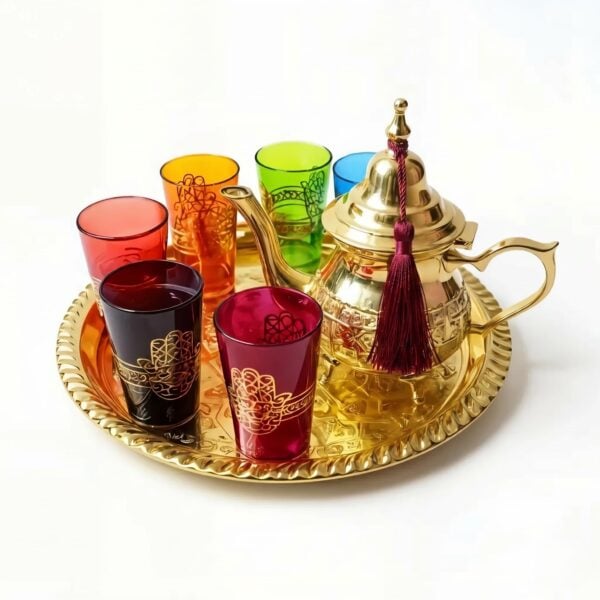
Giving a teapot as a present? Our brass Moroccan tea set gift box and silver-plated Moroccan tea set gift box pair the teapot with its matching tray, three tea glasses and a sugar holder in a fitted, lined case, so it arrives ready to give and has a safe place to rest between tea ceremonies.
Before Gifting
Clean thoroughly using appropriate method for material
Polish to restore original shine
Include care instructions card
After Receiving as Gift
First use: Rinse with mint tea to “season” the pot
Microfiber cloths prevent scratching while cleaning
Filtered water for rinsing prevents mineral spots
Natural air drying maintains traditional craftsmanship integrity
Seasonal rotation: Use different teapots for hot vs. iced tea service
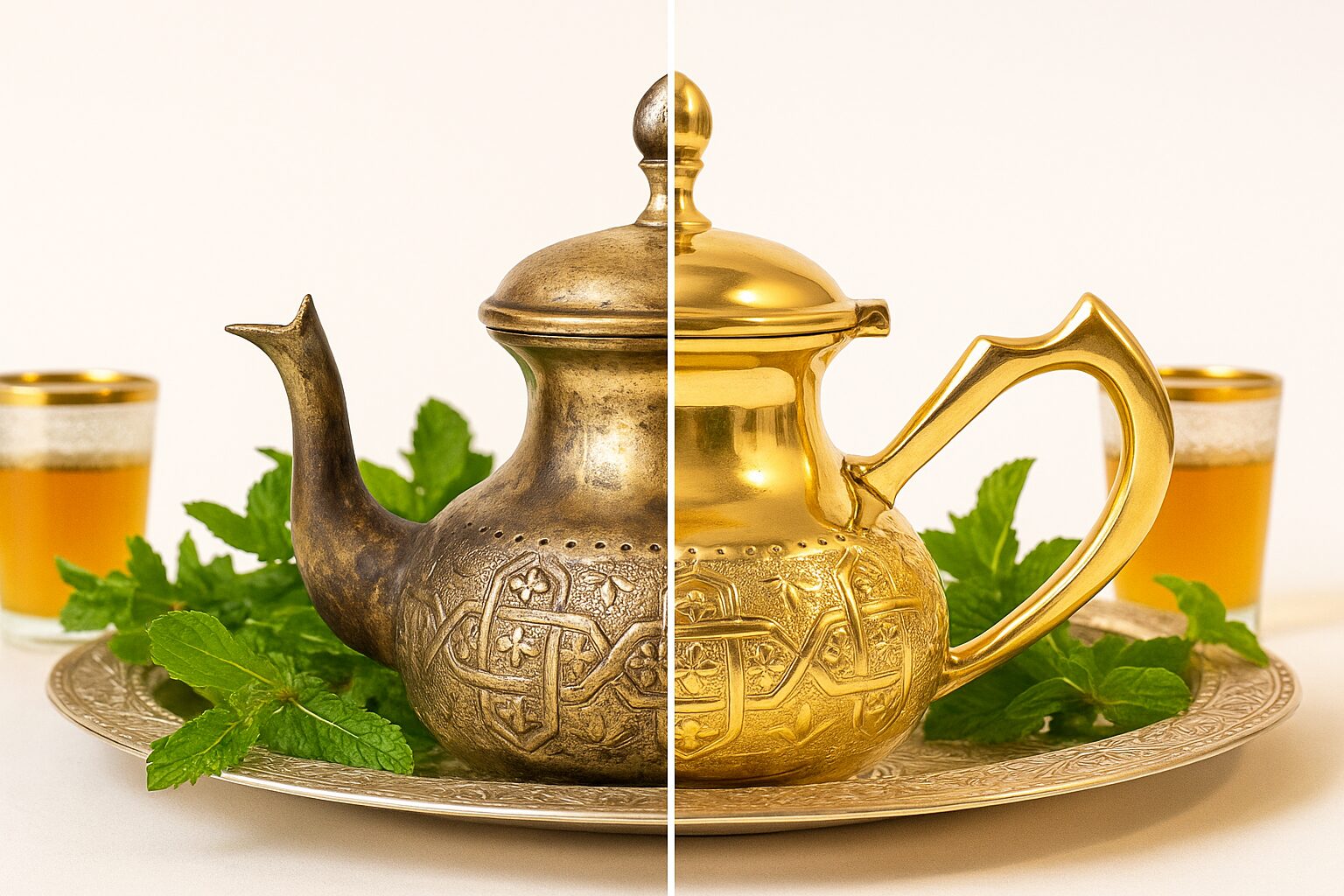
Before and after comparison showing the remarkable results of proper Moroccan teapot cleaning
📋 Quick Reference: Cleaning Schedule
After every use: Rinse with hot water while the teapot is still warm, pour the rinse water out through the spout (not the lid), then leave the lid ajar to air-dry. This single habit prevents 80% of tannin buildup before it starts.
Weekly (daily tea drinkers): Full interior clean using the baking soda soak method. Gentle exterior wipe with soft cloth and mild dish soap. Quick spout flush with boiling water poured through.
Monthly: Polish the exterior to restore shine and remove tarnish before it becomes severe. Thorough spout cleaning with flexible bottle brush. Check the lid gasket or seal for any residue accumulation.
Seasonally (or before storing): Deep clean the spout channel with a denture tablet overnight soak. Full exterior polish with silver or brass cream. Condition the exterior with a light buff using a silver polishing cloth. Store in anti-tarnish bag if not using regularly.
When you notice flavor changes: This is your most reliable cleaning signal — if your mint tea tastes different despite fresh ingredients, the teapot interior needs a full baking soda soak regardless of your regular schedule.
No — never put a Moroccan teapot in the dishwasher. The high heat, harsh detergents, and water pressure will strip silver plating, damage engraved patterns, and warp brass over time. Always hand wash with warm water and mild dish soap. The same applies to traditional Moroccan tea glasses. The 5-minute hand wash protects a piece that can last 20+ years.
How do I remove tarnish from a silver Moroccan teapot?
For light tarnish, rub gently with a microfiber cloth dampened with warm soapy water. For moderate tarnish, apply a paste of equal parts lemon juice and salt, leave for 2 minutes, then rinse and dry immediately. For heavy tarnish, use a silver polishing cream like Wright’s Silver Polish applied with a soft cloth using circular motions. Rinse thoroughly and dry immediately to prevent new tarnish from forming.
Can I use baking soda to clean inside a Moroccan teapot?
Yes — baking soda is the most effective and safest method for removing interior tannin stains. Fill the teapot with boiling water, add 2 tablespoons of baking soda, and soak for 30 minutes. The mild alkaline reaction dissolves tea deposits without damaging silver plating or brass. This method is safe for silver-plated, brass, and stainless steel Moroccan teapots. Rinse 2-3 times after soaking.
Why does my Moroccan teapot have dark stains inside?
Dark interior stains are caused by tannins — natural compounds in green and black tea that deposit on metal surfaces with every brew. A thin layer of tannin patina is normal and actually enhances tea flavor slightly (as any silver craftsperson will tell you). When stains become heavy and affect taste, clean using the baking soda soak method. You don’t need to remove all traces of interior patina — just keep it from building up excessively.
How often should I clean my Moroccan teapot?
Rinse with hot water after every use (the most important habit). Do a full interior baking soda clean weekly if you brew tea daily, or monthly for occasional use. Polish the exterior monthly to prevent tarnish from becoming severe. Seasonally deep-clean the spout channel with a flexible bottle brush. For teapots displayed between uses, store in anti-tarnish bags and clean before each use.
Will lemon juice damage my silver-plated teapot?
Used correctly, lemon juice is safe and effective for brass and silver-plated brass teapots. Apply a small amount mixed with salt as a paste directly to tarnished areas using your fingertip — not a brush or abrasive cloth. Leave for maximum 2 minutes, then rinse immediately and dry thoroughly. Don’t soak the teapot in lemon juice solution or use on damaged plating where the brass underneath is exposed, as acid can accelerate oxidation on bare metal.
My teapot has a white powdery residue inside — what is it?
White residue is limescale (calcium carbonate) from hard tap water, not harmful but it should be removed as it can subtly affect tea flavor over time. Fill the teapot with equal parts white vinegar and water, leave to soak for 1-2 hours, then rinse thoroughly 3-4 times with warm water. For stubborn limescale, drop in a denture cleaning tablet with water — leave overnight and rinse in the morning. This method is safe for all Moroccan teapot materials.
What’s the best way to store a Moroccan teapot received as a gift?
If you’re not using it immediately, rinse it once with warm water and dry completely before storing — new teapots can have light manufacturing residue. Store the teapot with the lid slightly ajar (never sealed) to allow air circulation. Wrap silver-plated pieces in anti-tarnish cloth or acid-free tissue paper to prevent tarnishing during storage. Keep in a cool, dry cupboard away from sunlight. Before first use as a gift recipient, give it a quick baking soda soak and rinse to ensure it’s perfectly clean and ready for your first tea ceremony.
Remember: A well-maintained Moroccan teapot isn’t just functional—it’s a bridge to authentic North African culture and a testament to the care you put into hospitality, whether for family daily rituals or special gift occasions.
Always fascinated by the skill and creativity of the hands that make the Moroccan product, I devote myself to the work of art. I try to convey on all continents my knowledge, my full knowledge of the Berbers.
Quick Answer: How to Clean a Moroccan Teapot in 5 Minutes
Rinse with hot water immediately after use to prevent tannin buildup
Fill with warm water + 2 tablespoons baking soda, soak...
In our fast-paced world where instant gratification reigns supreme, slow cooking stands as a delicious rebellion against the tyranny of the microwave. This ancient culinary technique, practiced across cultures for...
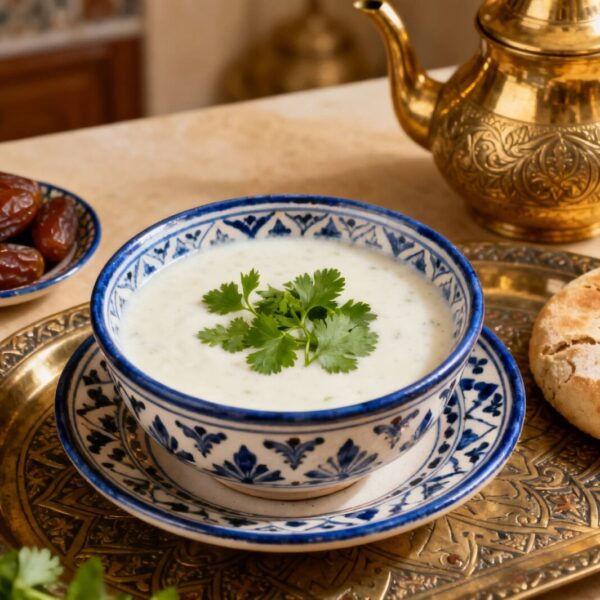
Discover the soul-warming tradition of white harira (harira bayda), Morocco's beloved comfort soup that graces tables during Ramadan and chilly evenings throughout the year. Unlike its more famous tomato-based cousin,...
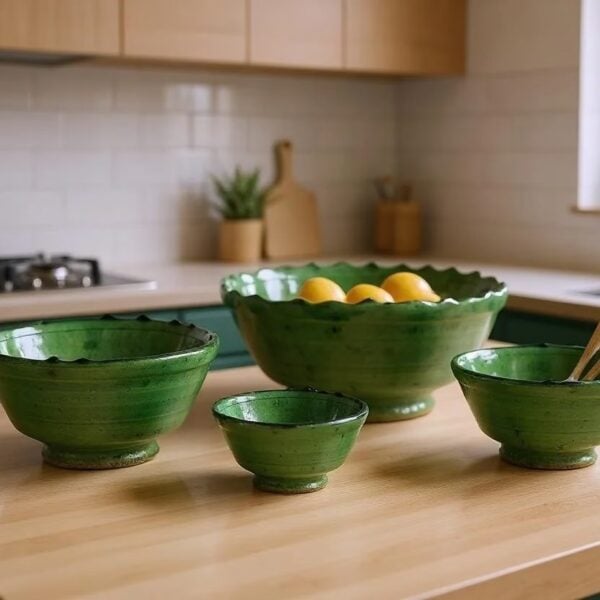
Small spaces don't mean sacrificing style—especially when it comes to incorporating the timeless beauty of Moroccan pottery bowls. These handcrafted treasures, with their distinctive green glazes and authentic artisanal character,...
Master of Moroccan silver-plated crafts, Kamal brings soul and precision to every engraved detail.
Inside the dazzling glow of a tiny workshop in the heart of Marrakech’s old medina, Kamal works...
When Generic Restaurant Tableware Fails to DeliverThe Science Behind Moroccan Ceramic SuperiorityTraditional Clay Compositions That Excel Under Commercial StressGlaze Formulations Proven by Centuries of UseTamegroute Pottery: The Crown Jewel of...
Stepping Through the Ancient Gates: An Introduction to Marrakech's Medina
There's something profoundly magical about crossing the threshold of Marrakech's ancient walls for the first time. The moment you step through...
Moroccan Zaalouk
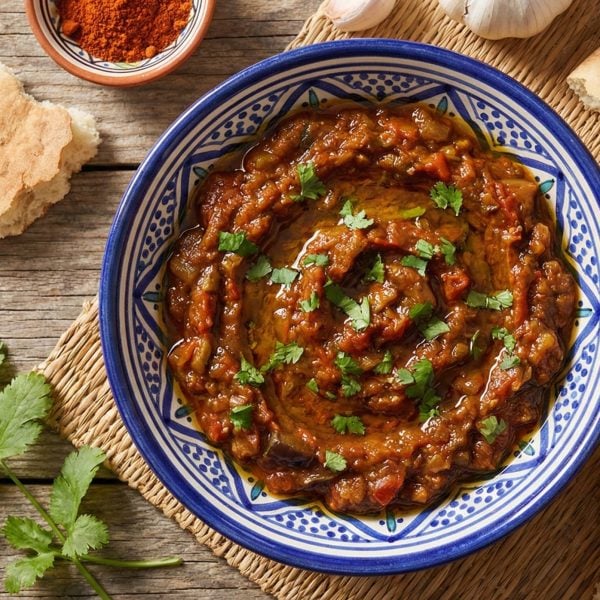
Zaalouk is a delicious Moroccan dish typically served as a snack or appetizer with bread. This vegetarian dish features grilled eggplant and tomatoes, mashed with garlic and aromatic Moroccan...
Indulge in the enchanting flavors of Morocco with this simple yet exotic spiced coffee recipe. Perfect for those mornings when you crave something out of the ordinary or for impressing...
Embark on a culinary journey to the heart of Morocco with this sumptuous recipe for Moroccan Chicken Thighs. Designed to serve four, this dish is a perfect blend of tenderness,...
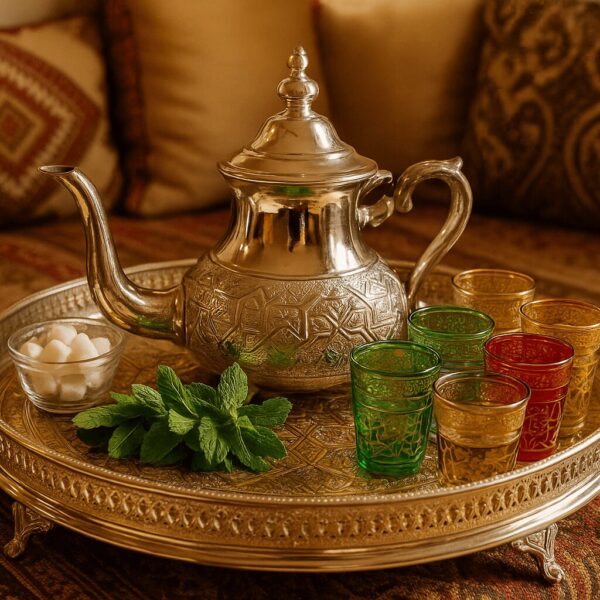
The Moroccan tea set – an artistic assembly of a teapot, tea glasses, and a tray – is more than just tableware. It's a cherished symbol of Moroccan hospitality, a...
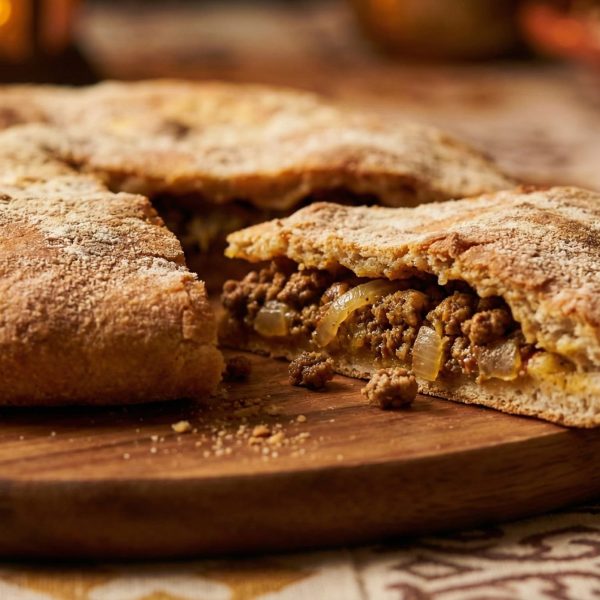
What Is Berber Pizza (Medfouna)?
Berber pizza, known in Arabic as medfouna or madfouna (meaning "buried" or "the buried one"), is a traditional Amazigh stuffed flatbread from southern Morocco — not...