

16
Feb
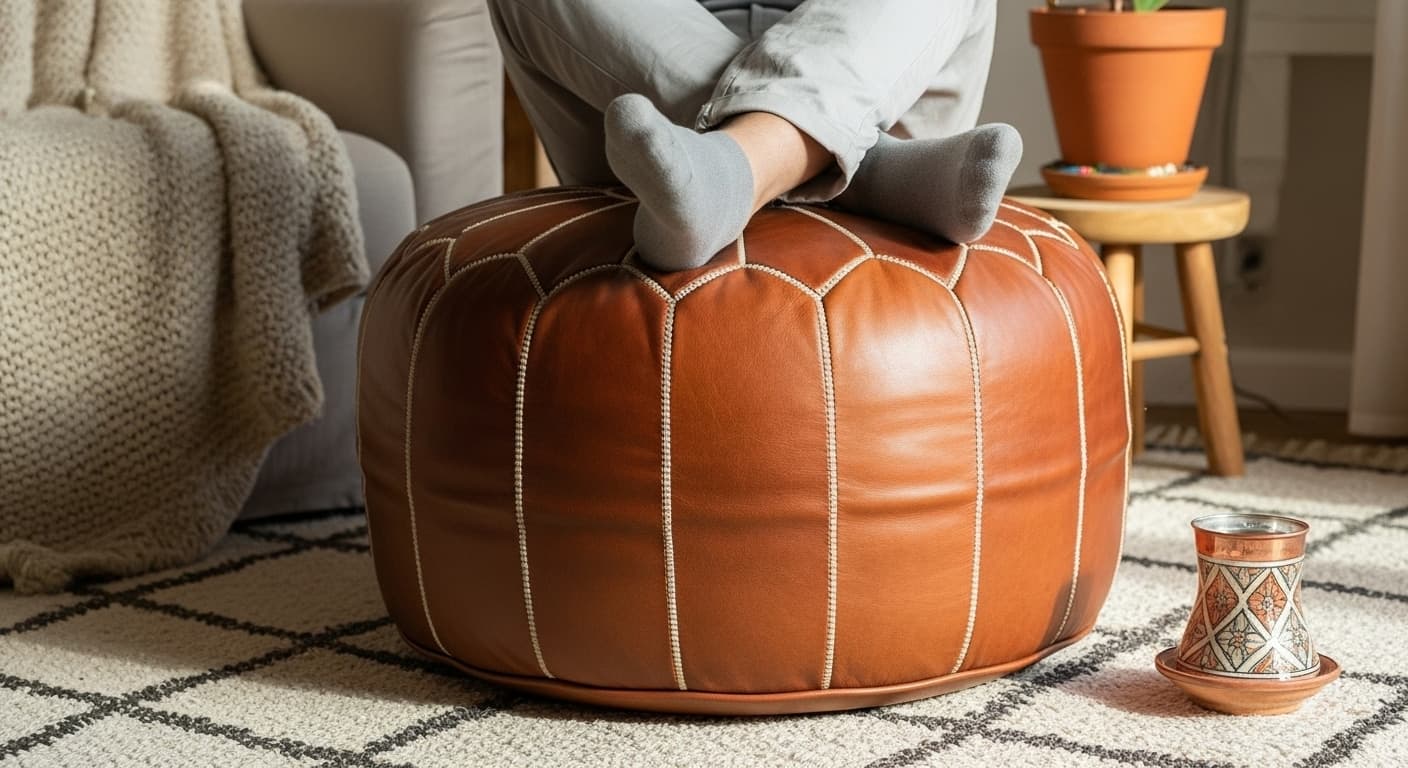
Style at a Glance: Moroccan Pouf Filling Essentials
The Process: Moroccan poufs require 8-10 pounds of filling material. Use recycled textiles, old towels, or cotton remnants for eco-friendly, customizable firmness.
Best Filling Options: Shredded textiles, old bedding, fabric scraps, buckwheat hulls, or kapok fiber. Avoid loose stuffing like newspaper (degrades) or foam beads
Hero Product: Tan Leather Floor Ottoman – Hand-embroidered goat leather with star design, arrives unstuffed for sustainable customization. Browse the full leather pouf collection for more styles.
Pro Tip: Fill in layers, compressing firmly after each. The pouf should feel densely packed, not squishy. Firmness develops over the first week of use.
Your new Moroccan pouf arrives at your doorstep flat as an envelope. You run your fingers across the butter-soft goat leather, admire the hand-embroidered star pattern, and then pause. How exactly do you transform this gorgeous leather shell into the plump, perfectly firm ottoman you’ve been coveting?
Here’s the truth most retailers won’t tell you upfront: the unstuffed pouf isn’t an inconvenience. It’s a centuries-old Moroccan tradition rooted in resourcefulness and sustainability. In the medinas of Marrakech, leather artisans have always crafted empty shells, and families filled them with whatever textiles they had—worn blankets, outgrown clothing, cotton remnants from the souk. You’re not solving a problem; you’re participating in a ritual that connects you directly to this heritage of upcycling and personalization.
Why Moroccan Poufs Arrive Unstuffed (And Why That’s Actually Brilliant)
The Tan Leather Floor Ottoman ships flat for three intelligent reasons. First, shipping costs drop dramatically—savings passed directly to you. Second, you control the firmness. Want a dense footrest? Pack it tight. Prefer a softer floor cushion for meditation? Use lighter filling. Third, and most importantly, you choose sustainable filling from materials already in your home.
This 21-inch round pouf features hand-stitched panels of vegetable-tanned goat leather, embroidered with contrasting thread in a traditional Moroccan star motif. The leather arrives supple and slightly textured, ready to develop that coveted patina over years of use. But first, it needs substance.
Understanding Your Moroccan Leather Pouf
At Marrakeche Crafts, our poufs represent more than beautiful decor—they’re testaments to skilled artisans like Omar, our master leather craftsman, who practice time-honored tanning and leather-working techniques in the heart of Marrakech’s medina. Each pouf is crafted using natural vegetable-tanning methods, resulting in exceptionally high-quality leather that’s both durable and naturally aromatic. Unlike mass-produced alternatives, our leather develops a rich patina over time while maintaining its structural integrity.
The traditional vegetable-tanning process uses natural plant extracts rather than harsh chemicals, creating leather that:
- Develops beautiful patina that enhances character over years
- Maintains structural integrity through daily use
- Features natural variations making each piece unique
- Remains free from strong chemical odors common in mass-produced items
For more about our traditional leather-making process, visit our article on Morocco’s Traditional Leather Industry.
Essential Tools and Materials: What You’ll Need
Before you begin, gather these items to make the filling process smooth and efficient:
- Your unstuffed Moroccan pouf with bottom zipper opening
- 8-10 pounds of filling material (see detailed options below)
- A wooden stick, broom handle, or dowel rod for compressing filling into corners
- A friend to help hold the pouf open while you fill (makes the process much easier and prevents frustration)
- Clean, dry workspace with room to spread out materials
- Scissors or fabric shears if cutting large textiles into smaller pieces
Having someone assist you is particularly helpful—one person can hold the pouf in its proper shape while the other adds filling and compresses it into corners. This prevents the pouf from collapsing and ensures even distribution.
The 8-10 Pound Rule: How Much Filling You Actually Need
A standard 21-inch diameter Moroccan pouf requires approximately 8 to 10 pounds of filling material to achieve proper structure and firmness. This isn’t arbitrary—this weight creates the tension needed to define the side panels and maintain the pouf’s silhouette. Too little filling, and the pouf collapses into a leather puddle. Too much, and you’ll struggle to close the bottom zipper.
The exact amount depends on your intended use:
- Decorative display only: 6-8 pounds creates attractive shape without excessive weight
- Occasional footrest: 8-9 pounds provides comfortable support with slight give
- Regular seating or footstool: 9-10 pounds creates firm, stable seating supporting up to 250 lbs
Here’s where creativity meets sustainability — and the same principle applies whether you’re filling a round leather pouf or a square ottoman. Raid your linen closet for those faded bath towels you’ve been meaning to replace. Grab outgrown sweaters, threadbare t-shirts, old curtains, or fabric remnants from past sewing projects. If you’re replacing throw pillows, gut the inserts and use the stuffing. The Vibrant Striped Cotton Cushion Covers with Corner Tassels come as a set of two 18×18-inch covers—use your old pillow inserts as pouf filling, then dress your sofa with these rainbow-striped beauties featuring playful corner tassels. It’s circular design at its finest.
Choosing the Right Filling Material
The type of filling you choose influences both comfort and longevity of your Moroccan leather pouf. While traditional fillings include old clothes or towels, modern options offer specific benefits. Note that straw poufs arrive pre-filled and need no stuffing — a great alternative if you prefer a ready-to-use option.
Recommended Eco-Friendly Fillings
Recycled Textiles (Most Popular): Old clothing, bed linens, towels, fabric scraps, or worn blankets create excellent filling. This traditional Moroccan method costs nothing if using items you already own, reduces landfill waste, and allows complete control over firmness. Cut or tear large items into 12-18 inch pieces for even compression. You’ll need enough to reach 8-10 pounds total weight.
Synthetic Fiberfill: Available at craft stores like Hobby Lobby, Walmart, or Michaels, or online through Amazon. You’ll need 60-80 ounces (approximately 4-5 pounds) of polyester stuffing for firm seating. This creates uniform shape and consistent support. Costs approximately $25-40 depending on quality.
Recycled Textile Cuttings: Many fabric stores sell bags of cutting scraps from garment manufacturing. These industrial remnants provide eco-friendly filling that maintains shape better than household textiles. Excellent compromise between sustainability and professional results.
Organic Cotton Batting: Natural alternative with excellent durability. More expensive than polyester but appeals to those avoiding synthetic materials. Creates slightly softer feel than polyester while maintaining good shape retention.
Premium Filling Options
Buckwheat Hulls: These natural, dense hulls create exceptional firmness and provide a subtle, satisfying rustling sound when you shift position. They’re breathable, mold-resistant, and surprisingly supportive—perfect for poufs used as meditation cushions or regular footrests. You’ll need about 12-15 pounds for a standard pouf (more than other fillings due to density). Expect to spend $40-60. The hulls conform to your body while maintaining structure, and they naturally regulate temperature.
Kapok Fiber: Harvested from seed pods of the kapok tree, this silky natural fiber is hypoallergenic, moisture-resistant, and incredibly lightweight. It creates a softer, more cushion-like pouf—ideal for a nursery or meditation space. Requires only 3-4 pounds due to exceptional loft. Thermally regulating too: kapok insulates in winter and stays surprisingly cool in summer. More expensive but worth considering for specific uses.
Shredded Memory Foam: Buy a memory foam pillow specifically to shred for this purpose, or purchase shredded foam from upholstery suppliers. Cut into 2-inch cubes. This creates a remarkably firm, supportive pouf that molds slightly to your feet or seat. Pair this filling method with the Braided Leather Square Ottoman, which features an intricate herringbone weave pattern across every surface. Available in five sizes from 16 to 24 inches, this handwoven piece requires 20 days of artisan labor and showcases technique that takes years to master. The structured square shape benefits from memory foam’s ability to hold edges sharply.
Polystyrene Balls (EPS Beads): If you prefer lightweight filling for easy portability, you’ll need 3-5 cubic feet of EPS polystyrene balls. While not our most eco-friendly option, they create very light poufs easy for children to move around rooms. Important: Place balls inside an old pillowcase first to prevent them from escaping through seams during filling or use. This isn’t our favorite method for environmental reasons, but works well if the pouf is purely decorative or you prioritize minimal weight.
What to Avoid
Skip these problematic filling materials:
- Newspaper or shredded paper: Breaks down into dust over time, compresses unevenly, and can attract moisture leading to mildew
- Plastic shopping bags: Create uncomfortable shifting and loud crinkling sounds with every movement
- Loose polyfill or foam beads (without containment): Migrate to one side requiring constant redistribution, and escape through seams
- Straw or hay: Attracts pests, degrades quickly, creates dust
- Cotton balls or batting not compressed: Too lightweight, compresses excessively under use
The Step-by-Step Fill: How to Pack Your Pouf Perfectly
Step 1: Prepare Your Materials
Cut or tear large textiles into smaller pieces—roughly 12 to 18 inches. Smaller pieces compress more evenly and eliminate lumps. Keep very soft materials (like old fleece) separate from denser fabrics (like denim). You’ll layer these strategically for optimal results.
If using synthetic fiberfill or other purchased stuffing, fluff it thoroughly before beginning. Break apart any compressed clumps. For buckwheat hulls or polystyrene balls in bags, have scissors ready to open packages as needed.
Step 2: Open and Position Your Pouf
Locate the zipper at the bottom of your pouf and unzip it completely. Turn the pouf inside out through the zipper opening—this makes filling much easier and ensures you can see the true shape you’re creating. Position the pouf with the opening facing up. If you have a friend helping, have them hold the sides of the pouf open to maintain its shape while you work.
Step 3: Start with Structure (Bottom Third)
Begin with your densest materials—old jeans, canvas tote bags, heavy cotton towels, or thick fabrics. Pack these firmly into the bottom third of the pouf. This is crucial: Use your broom handle, wooden stick, or dowel rod to push filling deep into the corners and edges of the bottom. The foundation creates stability for everything above it.
Don’t be gentle—really compress this layer. The hand-stitched seams of your Moroccan pouf are incredibly strong and can handle firm packing. This bottom layer prevents the pouf from becoming bottom-heavy or developing a saggy base.
Step 4: Build the Middle + Compress Firmly
Add your medium-weight textiles—cotton sheets, t-shirts, thin blankets, or synthetic fiberfill if using. Here’s where your stick or broom handle becomes essential: compress each handful firmly before adding more. Push the filling deep into corners and edges, rotating the pouf as you work to ensure even distribution.
The pouf should start holding its shape at this stage. If you’re using the White Leather Floor Ottoman instead, its crisp optic white leather with black geometric star embroidery shows every contour, so pack especially evenly to avoid visible lumps or depressions.
Important: Don’t skip the compression step between additions—this is what prevents lumps and sagging later. Every few handfuls, stop and use your stick to compress and redistribute the filling. The pouf should feel increasingly firm as you work.
Step 5: Top with Softness
Finish with your softest materials—fleece, worn flannel, or shredded foam if you have old cushions to recycle. This top layer creates initial comfort while the denser materials below provide support. Continue using your stick to compress everything down firmly throughout the pouf.
You should struggle slightly to add those final handfuls—that’s the goal. The pouf should feel densely packed, almost overfilled. Remember: it’s easier to remove filling than to add more later, so err on the side of firmness.
Step 6: Close and Shape
Compress the filling one final time, pushing down firmly from the top. Carefully turn the pouf right-side out through the zipper opening, working the leather back over the filling. The zipper should be slightly difficult to close—if it zips effortlessly, you likely need more filling.
Once zipped, place the pouf where you’ll use it. Press down firmly on the top, rotating as you go. This redistributes filling and eliminates any remaining air pockets. Sit on it, press the sides, roll it slightly. Over the first week, the filling will compress and mold to your use. You may need to unzip and add another pound or two of material after a few days—this is completely normal and shows the filling is settling properly.
Step 7: The Break-In Period
During the first week, your pouf will settle and conform to its filling. The leather will relax slightly, and the materials inside will compress and redistribute with use. After 3-5 days, assess the firmness. If it feels too soft or shows significant wrinkles, simply unzip the bottom and add another 1-2 pounds of filling. This adjustment period is part of the process—you’re customizing the pouf to your exact preferences.
Styling Your Stuffed Pouf: Placement and Purpose
Now that your pouf is properly plump and firm, position it with intention to maximize both functionality and visual impact:
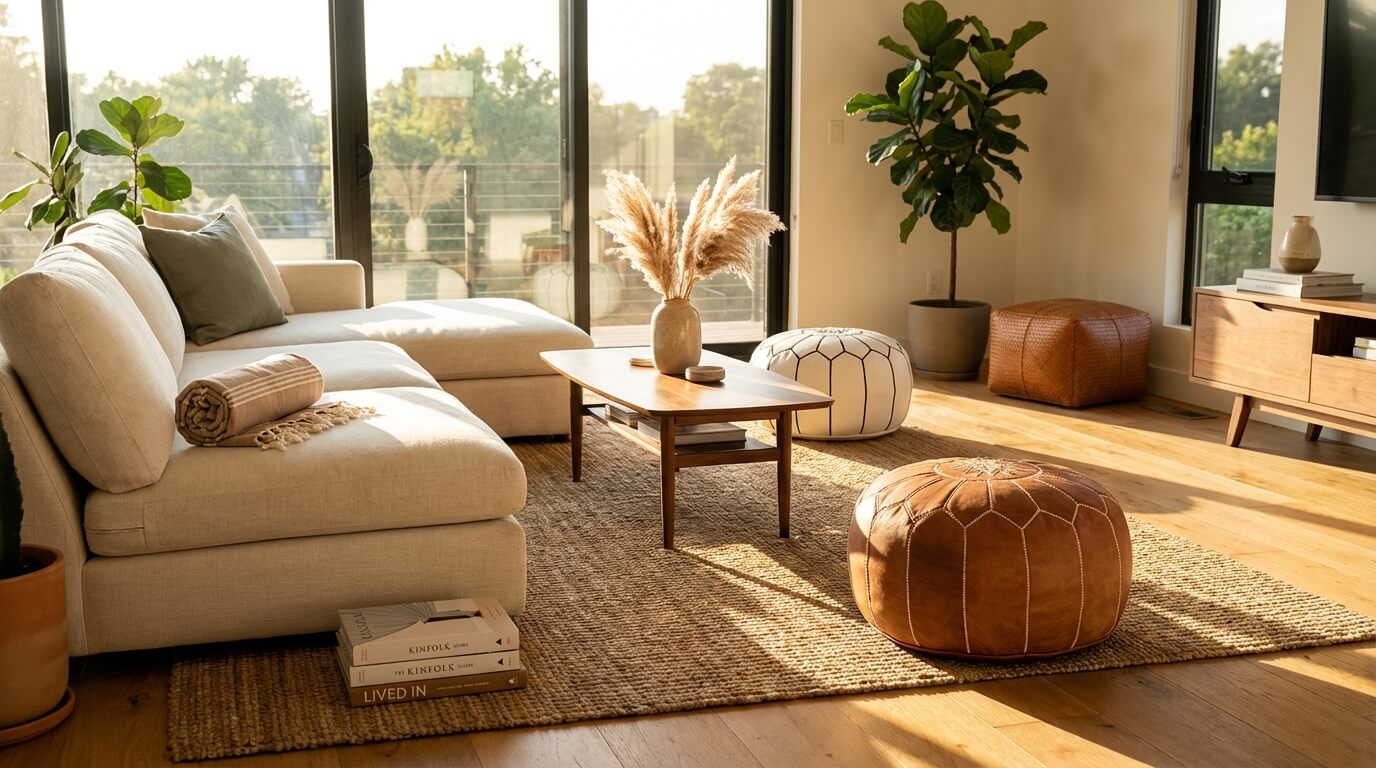
Living Room Anchoring: Place your tan leather pouf 18-24 inches from your sofa’s front edge, angled slightly toward the seating area. This creates a casual footrest that guests can easily pull closer for extra seating. The warm cognac tone grounds navy, gray, or cream upholstery beautifully, an essential element for a warm Moroccan-modern living room.
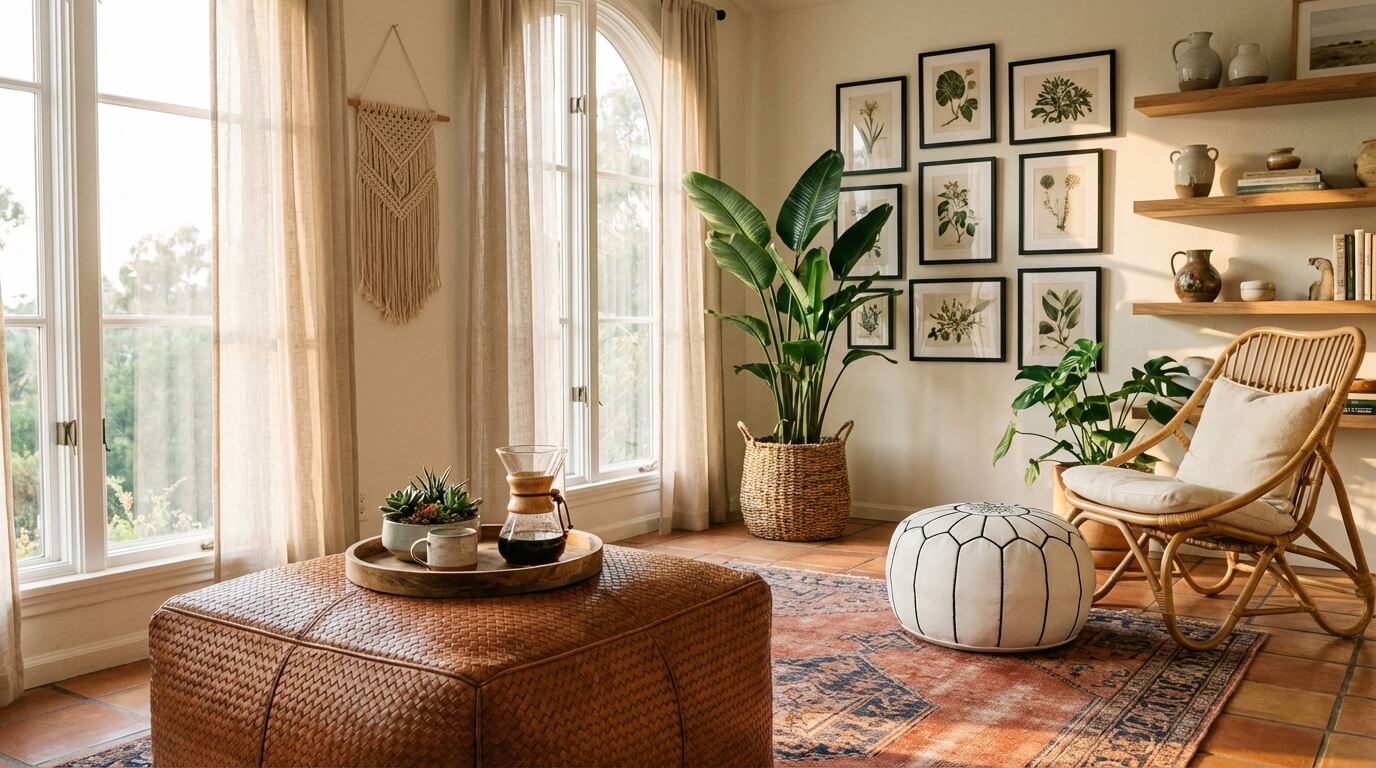
Layered Coffee Table Alternative: Use the 24-inch braided square ottoman as a low coffee table. Top it with a 16-inch round wooden tray to hold drinks and books. The herringbone leather weave adds textural richness that a standard table can’t match, while the tray provides a stable surface for beverages.
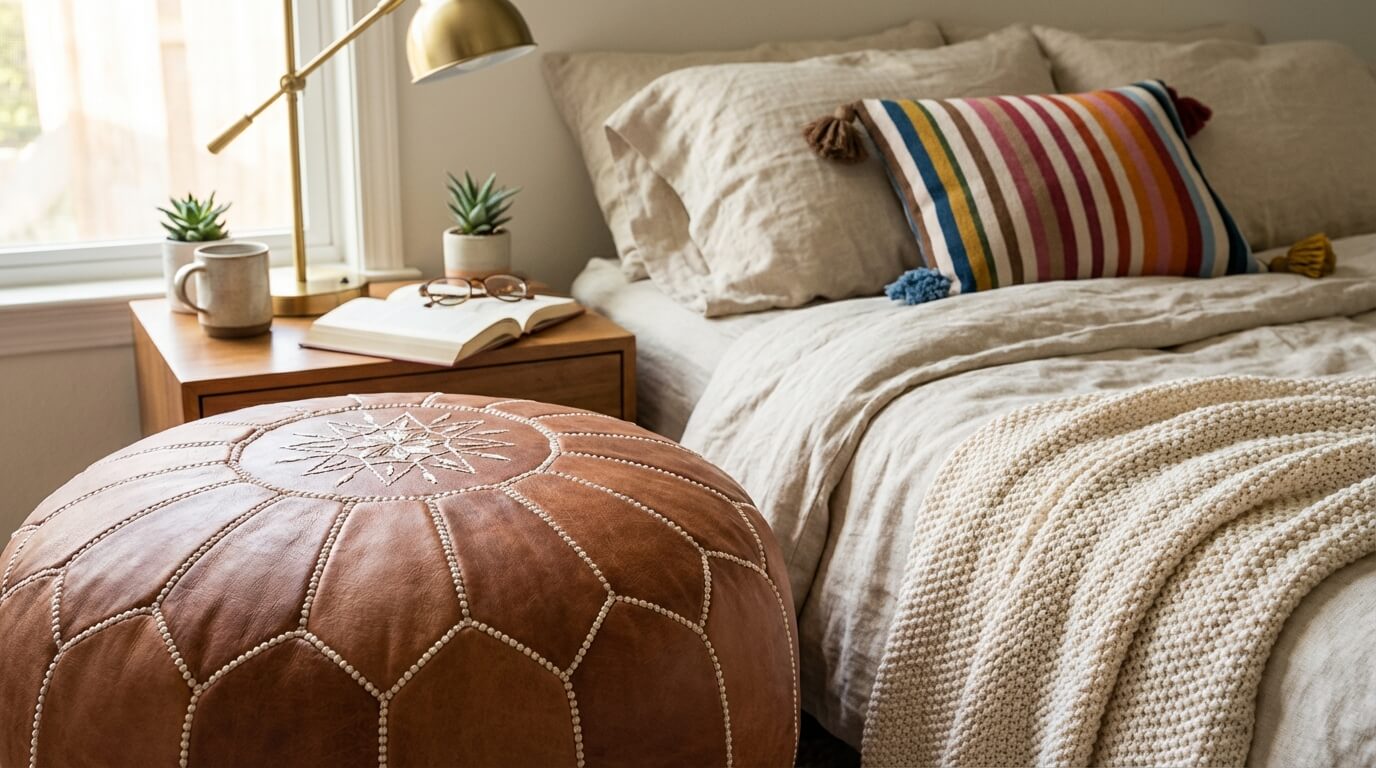
Bedroom Foot-of-Bed Seating: Position the white leather pouf at the foot of your bed, centered or offset to one side. Its crisp appearance and black geometric embroidery create a fresh contrast against darker bedding. Use it for perching while putting on shoes or as a landing spot for tomorrow’s outfit.
Corner Reading Nook: Pair any pouf with a floor lamp and small side table to create an instant reading corner. The pouf’s portability means you can shift this arrangement seasonally—near a sunny window in winter for natural light, by an open door in summer for fresh air.
Nursery Flexibility: A softer-filled pouf becomes essential seating for late-night feedings or story time. Choose the white leather option for a gender-neutral nursery, and appreciate that leather wipes clean easily when life gets messy. The firm yet cushioned surface supports your back during extended sitting sessions.
Caring for Your Leather Pouf: Longevity Through Simple Maintenance
Vegetable-tanned leather improves with age, developing rich patina over years of use. Proper care ensures your pouf remains beautiful and functional for decades. Follow these guidelines for optimal longevity:
Daily Care
- Wipe with dry microfiber cloth or vacuum with soft brush attachment weekly to remove dust
- Keep away from direct sunlight to prevent fading—UV exposure dries and cracks leather over time
- Maintain good air circulation around your pouf; avoid storing in damp basements or enclosed spaces
- Rotate periodically (every few months) to ensure even wear across all surfaces, especially if used primarily as a footrest
Spot Cleaning
- Blot spills immediately with clean, dry cloth—never rub, which can spread stains or damage grain
- For stubborn stains, use barely damp cloth with mild soap (test on hidden area first, like the bottom zipper edge)
- Pat dry immediately with clean towel and allow to air dry completely away from heat sources
- Never use harsh chemicals or leather cleaners meant for treated leather—they can damage vegetable-tanned leather’s natural properties
- For sticky residue, try rubbing gently with a clean pencil eraser on the affected area
Conditioning (Every 6-12 Months)
- Apply thin layer of natural leather conditioner or plain coconut oil to prevent cracking and maintain suppleness
- Work in with circular motions, focusing on high-use areas (especially the top where feet rest)
- Leather will darken slightly after conditioning—this is normal and desirable, contributing to the patina
- Pay special attention to stitched seams where leather can dry and crack if neglected
- Allow conditioner to absorb for 20-30 minutes, then buff gently with soft cloth to remove excess
Prevention
- Avoid placing near heat sources (radiators, fireplaces, heating vents) or air conditioners, which dry out leather
- Keep sharp objects away from leather surface—keys, pet claws, or rough-textured items can scratch
- Don’t use pouf as a step stool for reaching high places, which exceeds its 250-pound weight limit and stresses seams
- If the pouf starts feeling soft after a year of heavy use, simply unzip the bottom and add another pound or two of filling
Long-Term Care
The leather shell itself, if cared for properly, will outlast your sofa. With time and regular use, your pouf may start to sag slightly as filling compresses. This is normal—simply unzip and add more filling material. The vegetable-tanned leather becomes more beautiful with age, developing color variations and subtle sheen that prove authenticity and loving use.
For complete detailed instructions including advanced stain removal and long-term preservation techniques, see our comprehensive Moroccan Leather Care Guide.
The Bigger Picture: Sustainable Luxury in Action
By choosing to fill your own pouf, you’ve participated in a small act of environmental resistance. You’ve kept old textiles out of landfills, reduced shipping weight and emissions, and created something uniquely yours. The firmness, the slight give, the way it settles under your feet—these are your choices, reflected in an object you’ll use daily.
This approach aligns perfectly with the 2026 Earth-First Luxury movement, which redefines high-end design not by newness or expense, but by sustainability in handicrafts, zero-waste practices, and responsible sourcing. Your hand-filled Moroccan pouf embodies this philosophy completely—connecting you to centuries of Moroccan tradition while making conscious choices for our planet’s future.
Featured Collection: Poufs & Filling Solutions
- Tan Leather Floor Ottoman 21″ – Handcrafted Pouf with Star Design – $200.90
- White Leather Floor Ottoman 21″ – Handcrafted Round Pouf with Geometric Stitch – $200
- Braided Leather Square Ottoman – Handwoven Herringbone Pouf – $247
- Vibrant Striped Cotton Cushion Covers with Corner Tassels – Set of 2 – $95
Browse the complete handcrafted pouf and ottoman collection — leather, straw, kilim, round, and square styles
Your Moroccan Pouf Filling Questions Answered
How much filling does a Moroccan pouf need?
A standard 21-inch Moroccan pouf requires 8 to 10 pounds of filling material to achieve proper firmness and shape. This weight creates the tension needed to define the side panels and maintain structure. You can use recycled textiles (old towels, clothes), polyester stuffing (60-80 ounces), buckwheat hulls (12-15 pounds for firm support), or kapok fiber (3-4 pounds for softer feel). Start with less filling and add more gradually until you achieve desired firmness. The exact amount depends on intended use: 6-8 pounds for decorative display, 8-9 pounds for occasional footrest, or 9-10 pounds for regular seating.
What’s the best material to fill a Moroccan pouf with?
The best filling depends on your intended use. For regular seating and footrest use, shredded memory foam or 60-80 ounces of polyester stuffing provides firm, supportive filling. For eco-friendly filling, recycled textiles like old clothes, towels, or fabric scraps work beautifully and reduce waste—this traditional Moroccan method costs nothing if using items you already own. For premium firm support, buckwheat hulls offer exceptional stability and natural moisture resistance. For softer, lightweight filling, kapok fiber creates cushion-like comfort. Avoid newspaper (breaks down), plastic bags (uncomfortable shifting), or loose foam beads (migrate to one side).
Should I buy a stuffed or unstuffed Moroccan pouf?
Unstuffed poufs offer significant advantages: you save $30-50 on purchase and shipping costs, control firmness level to your exact preference, and can use eco-friendly materials from home like old textiles or pillows. The filling process takes 30-45 minutes and connects you to traditional Moroccan craft practices. Pre-stuffed poufs arrive ready to use with professional filling optimized for both appearance and support, ideal if you don’t have filling materials on hand or prefer immediate convenience. Most customers choose unstuffed for the cost savings, customization benefits, and sustainability of using recycled materials.
Can I use old clothes to stuff my pouf?
Yes! Recycled clothing is an excellent eco-friendly pouf filling and the traditional Moroccan method. Cut or tear items into 12-18 inch pieces for even compression and to prevent lumps. Layer dense fabrics (denim, canvas, heavy towels) at the bottom for structure, medium-weight textiles (cotton sheets, t-shirts, thin blankets) in the middle, and soft materials (fleece, flannel, worn sweaters) on top for comfort. This approach reduces landfill waste, costs nothing if using items you already own, and creates a unique, personalized firmness level. Ensure all textiles are clean and completely dry before filling. You’ll need enough items to reach 8-10 pounds total weight.
How do I know when my pouf is filled enough?
Your pouf is properly filled when the zipper is slightly difficult to close (but not impossible), the sides feel firm and hold their shape without sagging, and the top surface doesn’t show deep indentations when pressed. After filling, you should struggle slightly to add those final handfuls—that’s the goal. The pouf should feel densely packed, almost overfilled initially. Over the first week, filling will compress and settle with use. If after 3-5 days the pouf feels too soft or shows significant wrinkles, unzip and add another 1-2 pounds of filling. It’s easier to remove filling than add more later, so err on the side of firmness during initial stuffing.
How long does a filled Moroccan pouf last?
With proper care, a handcrafted vegetable-tanned leather pouf lasts 10-15+ years or longer. The full-grain goat leather actually improves with age, developing attractive patina (natural darkening and sheen) over time. Hand-stitched seams are more durable than machine stitching and support up to 250 pounds of regular use. Key longevity factors include conditioning leather 2-3 times yearly, avoiding direct sunlight, rotating periodically for even wear, and refilling if firmness decreases over time. The filling may need refreshing every 2-3 years depending on usage intensity, but the leather shell itself can last generations. Many customers report their Moroccan poufs becoming family heirlooms passed down through generations.
Can I refill my pouf if it becomes too soft over time?
Absolutely! One of the great advantages of Moroccan poufs is their refillable design. If your pouf becomes soft or saggy after months or years of use, simply unzip the bottom and add more filling material. You may need an additional 1-3 pounds depending on how much the original filling has compressed. The hand-stitched leather shell is built to last decades—refilling every 2-3 years maintains optimal firmness and extends the pouf’s functional life indefinitely. This refillability makes Moroccan poufs a sustainable, long-term investment compared to disposable furniture that must be entirely replaced when it loses shape.








Related posts
How to Clean Teapot: Complete Guide for Gift Care & Authentic Moroccan Tea Culture

Quick Answer: How to Clean a Moroccan Teapot in 5 Minutes
Rinse with hot water immediately after use to prevent tannin buildup
Fill with warm water + 2 tablespoons baking soda, soak...
The Art of Slow Cooking: Why Taking Your Time in the Kitchen Pays Off
In our fast-paced world where instant gratification reigns supreme, slow cooking stands as a delicious rebellion against the tyranny of the microwave. This ancient culinary technique, practiced across cultures for...
3 Authentic White Harira Recipes: Traditional Moroccan Comfort Soup Made Easy
Discover the soul-warming tradition of white harira (harira bayda), Morocco's beloved comfort soup that graces tables during Ramadan and chilly evenings throughout the year. Unlike its more famous tomato-based cousin,...
5 Ways to Style Moroccan Pottery Bowls in Small Spaces

Small spaces don't mean sacrificing style—especially when it comes to incorporating the timeless beauty of Moroccan pottery bowls. These handcrafted treasures, with their distinctive green glazes and authentic artisanal character,...
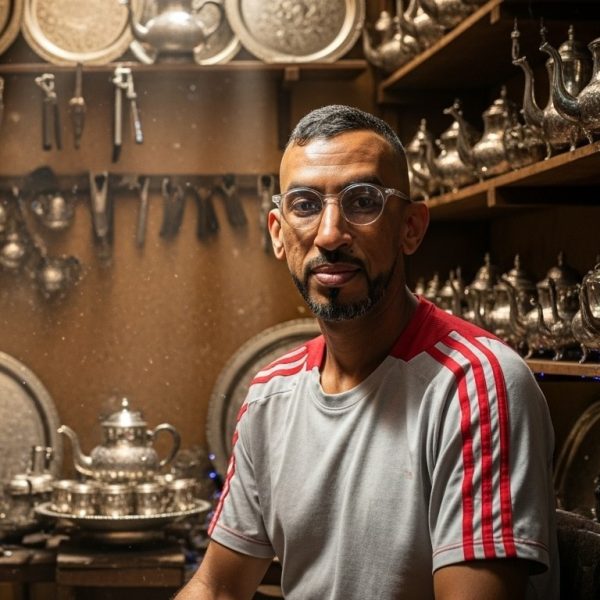
Kamal’s Silver Shine: A Moroccan Artisan’s Journey to Joy Through Craft
Master of Moroccan silver-plated crafts, Kamal brings soul and precision to every engraved detail.
Inside the dazzling glow of a tiny workshop in the heart of Marrakech’s old medina, Kamal works...
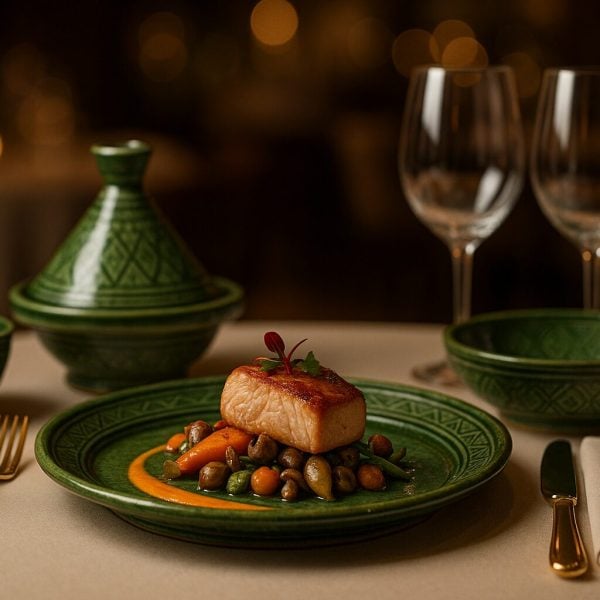
Moroccan Ceramic Restaurant Tableware: Why Handcrafted Pottery Is Revolutionizing Dining Experiences
When Generic Restaurant Tableware Fails to DeliverThe Science Behind Moroccan Ceramic SuperiorityTraditional Clay Compositions That Excel Under Commercial StressGlaze Formulations Proven by Centuries of UseTamegroute Pottery: The Crown Jewel of...
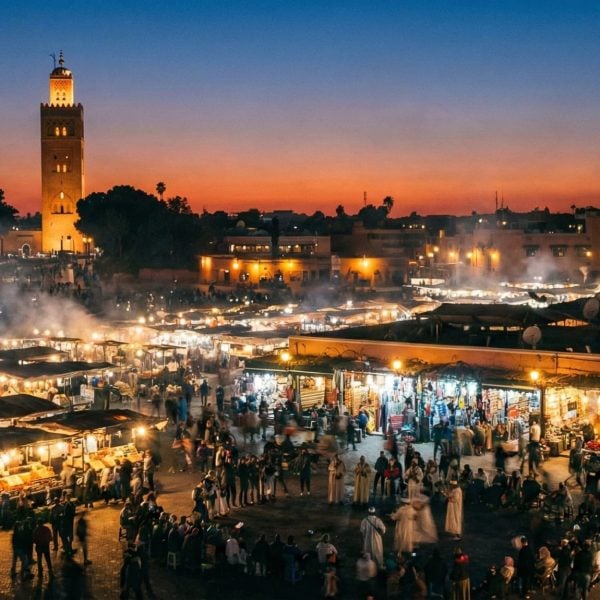
The Enchanting Medina in Marrakech: Your Complete Travel Guide
Stepping Through the Ancient Gates: An Introduction to Marrakech's Medina
There's something profoundly magical about crossing the threshold of Marrakech's ancient walls for the first time. The moment you step through...
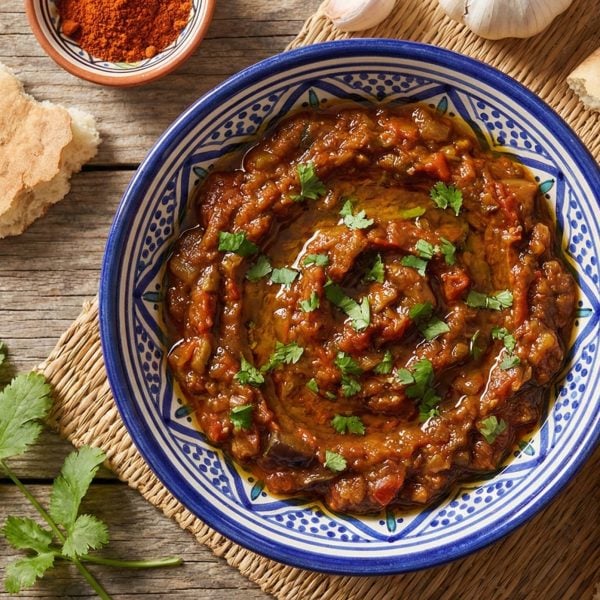
Authentic Moroccan Zaalouk: Spiced Eggplant and Tomato Dip
Moroccan Zaalouk
Zaalouk is a delicious Moroccan dish typically served as a snack or appetizer with bread. This vegetarian dish features grilled eggplant and tomatoes, mashed with garlic and aromatic Moroccan...
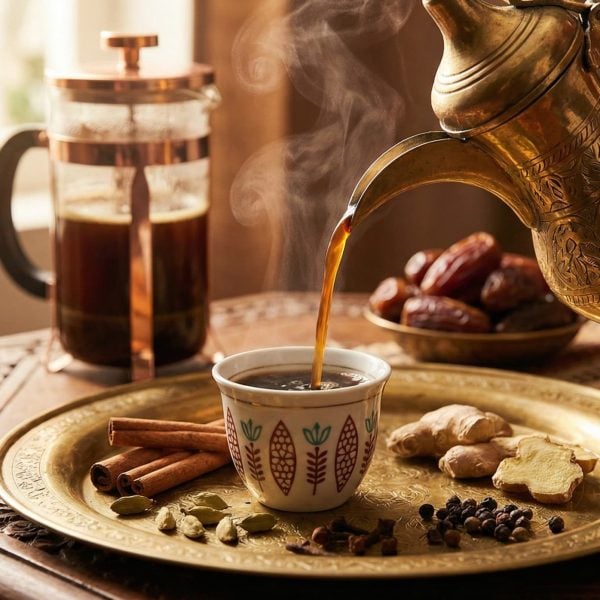
Simple Moroccan Spiced Coffee Recipe
Indulge in the enchanting flavors of Morocco with this simple yet exotic spiced coffee recipe. Perfect for those mornings when you crave something out of the ordinary or for impressing...

Magical Moroccan Chicken Thighs: A Spice-Laden Journey
Embark on a culinary journey to the heart of Morocco with this sumptuous recipe for Moroccan Chicken Thighs. Designed to serve four, this dish is a perfect blend of tenderness,...
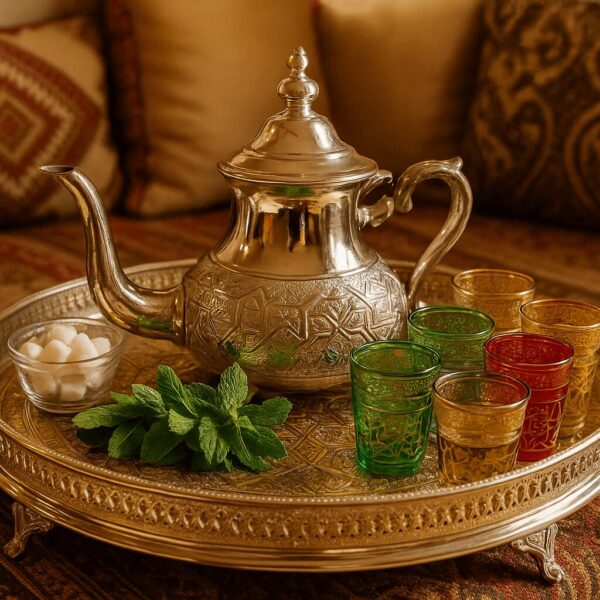
Savoring Time: The Moroccan Tea Set – A Journey Through History, Art, and Culture
The Moroccan tea set – an artistic assembly of a teapot, tea glasses, and a tray – is more than just tableware. It's a cherished symbol of Moroccan hospitality, a...
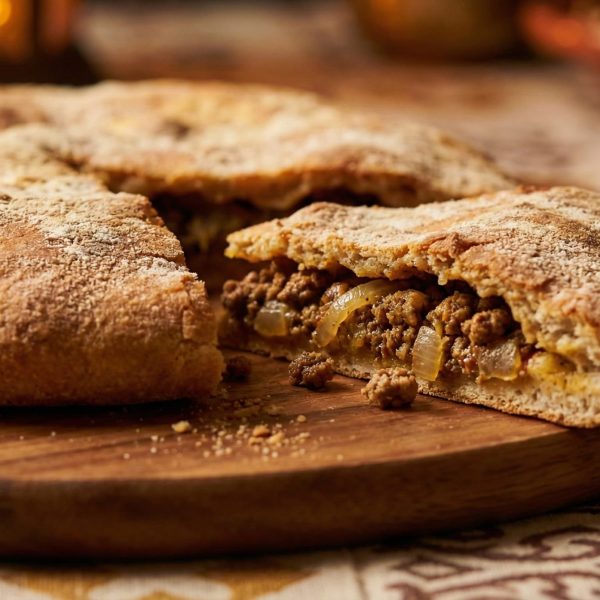
Moroccan Berber Pizza: A Delectable and Convenient Way to Savor North African Flavors
What Is Berber Pizza (Medfouna)?
Berber pizza, known in Arabic as medfouna or madfouna (meaning "buried" or "the buried one"), is a traditional Amazigh stuffed flatbread from southern Morocco — not...